




























































































































































































Introducing a new puppy to your current dog is often an exciting process, and many dogs will become fast friends and eas...
Read MoreAdopt Me


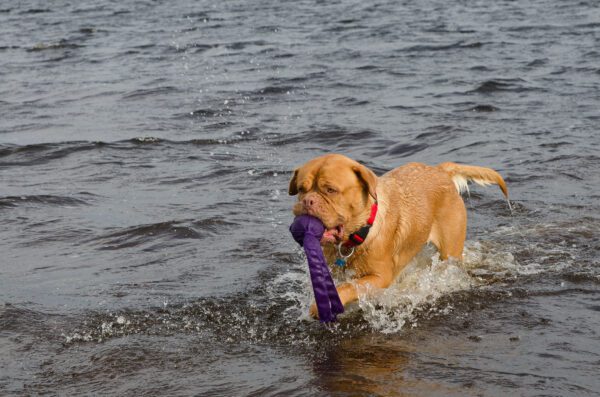
The Dogue De Bordeaux is a devoted guardian with a calm, affectionate spirit. This giant breed bonds deeply with family and thrives when given structure and gentle leadership. The breed’s size and power require committed training and steady routines, which is why thoughtful research before adoption matters. Adoption gives a deserving dog a second chance and often provides helpful history, basic training, and completed veterinary care.
Florida’s warm climate can challenge this breed because the Dogue De Bordeaux is sensitive to heat. Consistent air conditioning, shade, clean water, and quieter walks during cooler hours are essential. Florida’s flat geography and many suburban homes can suit a large dog, though condos and apartments may feel tight without daily enrichment. Beach outings can be enjoyable during cooler times, yet strong sun and hot sand can overheat a giant dog quickly. Short, steady activities fit the breed better than long, intense sessions.
Choosing adoption over buying supports ethical pet care and helps reduce irresponsible breeding. Many adult Dogues settle quickly into home life, and their steady temperaments often shine in a calm environment. With the right preparation, a Florida adopter can give this loyal companion the cool rest, gentle exercise, and training that keep the breed healthy and happy.
You can skip separate searches of shelters and rescues by starting with Dog Academy. The adoption listings allow you to browse available dogs across local animal shelters, regional rescues, and breed-specific rescue groups in one place. You can also use Dog Academy’s educational guides and adoption checklists to prepare your home, set a budget, and plan your first weeks with your new dog.
Begin by browsing listings and reading each profile in full. Profiles usually describe age, size, temperament, training level, and medical history. Submit an application that explains your schedule, your experience with large dogs, and your housing details. Landlords and homeowners associations sometimes have breed or weight rules, which means you should confirm pet policies before applying. Some organizations request personal references to learn more about your home setup and your commitment level.
After your application, you may be invited to a meet-and-greet. Many meet-and-greets take place at a shelter, an adoption center, or a foster home, and they allow you to see how the dog responds to you and your family. A home check may follow to confirm safe fencing, space for a giant bed, and secure storage for food and medications. Timelines vary by organization, yet approval often takes 1 to 3 weeks from application to adoption. Clear communication, quick responses, and readiness to supply documents help shorten the process.
Some rescue groups coordinate transport to move dogs between Florida locations when a foster or adopter is a better fit elsewhere. Transport is often arranged by rescues to move dogs between states with the help of volunteer drivers or licensed carriers. Coordinated transport expands your options and can speed up matching while keeping the dog safe and comfortable.
|
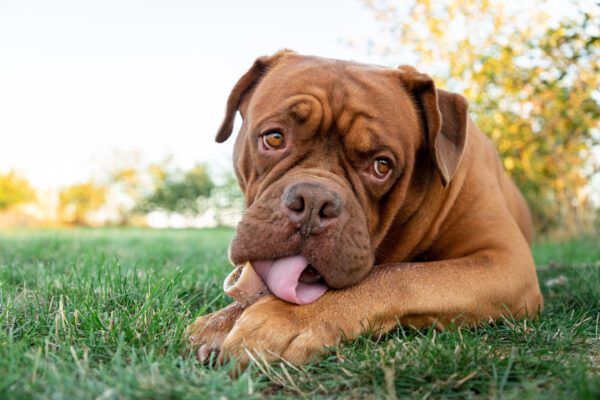
How Much Does It Cost to Adopt a Dogue De Bordeaux in Florida?Most Florida adopters can expect a fee in the range of $250 to $650. Younger dogs often cost more because demand is higher and early veterinary care is recent. Seniors may be lower, while dogs that receive extra medical treatment may fall near the top of the range. Training history, behavior support, and regional demand also influence the fee. Adoption fees typically include spaying or neutering, vaccinations, microchipping, and veterinary exams. Many organizations also provide deworming, flea and tick prevention, and a starter bag of food. Ask what is included so you can plan for items that may not be covered, such as a giant crate, a supportive bed, and follow-up care. |
How Should I Train a Dogue De Bordeaux?The Dogue De Bordeaux is intelligent, sensitive, and willing, yet the breed can be independent. Calm, consistent leadership and clear routines work best. Use positive reinforcement with food rewards, praise, and play. Keep sessions short and frequent to protect joints and maintain focus. Early socialization teaches the dog to feel comfortable around visitors, children who move unpredictably, and other pets. Practice loose-leash walking, polite greetings, impulse control, recall, and relaxation on a mat. Introduce body handling for grooming and veterinary exams so a large adult dog cooperates with confidence. Avoid harsh corrections because they can create stress and confusion. Set up success with management, which includes secure fencing, a sturdy crate, and a slow transition plan for alone time. If you want expert guidance you can follow at home, explore Dog Academy’s online training courses. The courses break down skills into clear steps and show you how to reward the calm behavior that makes a powerful dog easy to live with. |
|
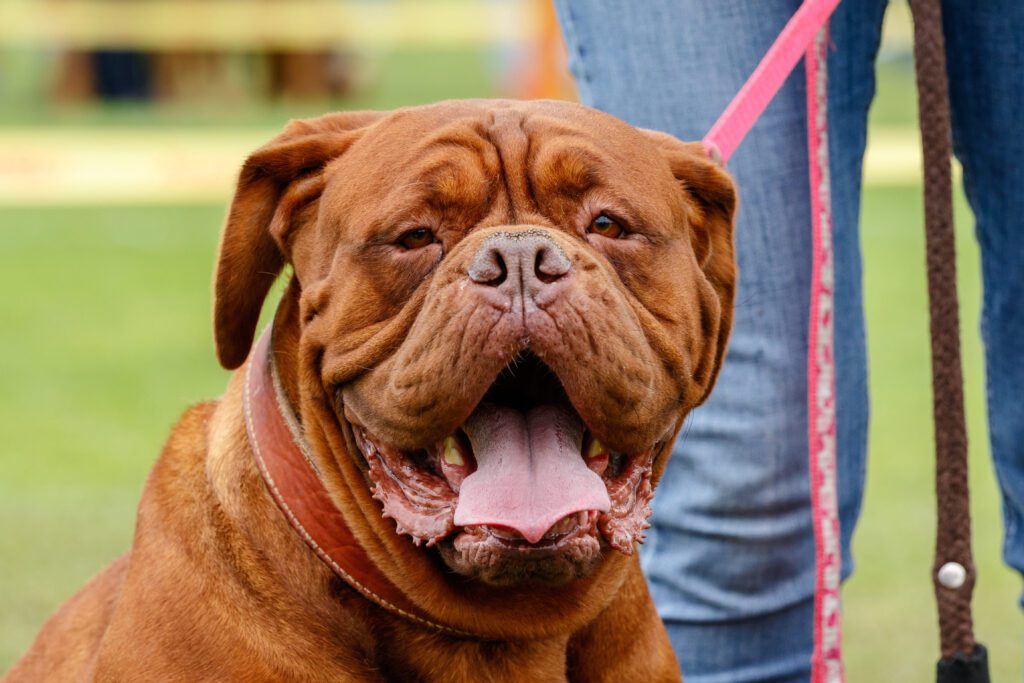
The ideal adopter is patient, consistent, and ready to guide a strong, affectionate guardian. A secure yard, reliable air conditioning, and a schedule that allows daily care set the stage for success. You must be comfortable with drool, regular cleaning, and a feeding budget that suits a giant dog. Plan for steady, low-impact activity during cooler hours and plenty of indoor downtime.
Preparation leads to a smooth transition. Gather supplies, line up a veterinarian, and review training goals before your dog arrives. Take your time, ask detailed questions, and choose the dog whose needs match your lifestyle. When you feel ready, begin your search with Dog Academy and move forward with confidence.

Introducing a new puppy to your current dog is often an exciting process, and many dogs will become fast friends and eas...
Read More
Rescue dogs can make great companions and can transform your home into something better. These dogs make great pets and ...
Read More
You should never rush to pet a dog. Even dog owners make the mistake of approaching unfamiliar dogs and petting them rig...
Read More
Puppy mill dogs are survivors who have endured extreme hardships in their lives. They have grown up in horrendous, unsan...
Read More
With their wagging tails and comforting presence, adopting a dog can add a unique touch to your life. It’s a heart...
Read More
Older dogs may have a few gray hairs around the edges, but that doesn’t mean they can’t make wonderful companions! T...
Read More