

























































































































































































Introducing a new puppy to your current dog is often an exciting process, and many dogs will become fast friends and eas...
Read MoreAdopt Me

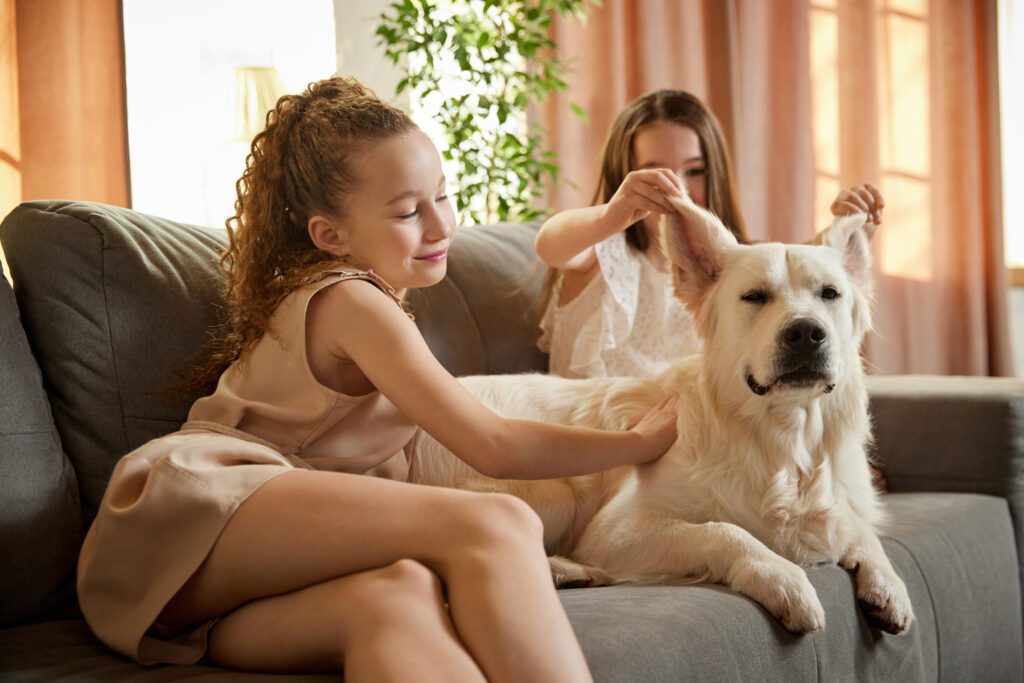
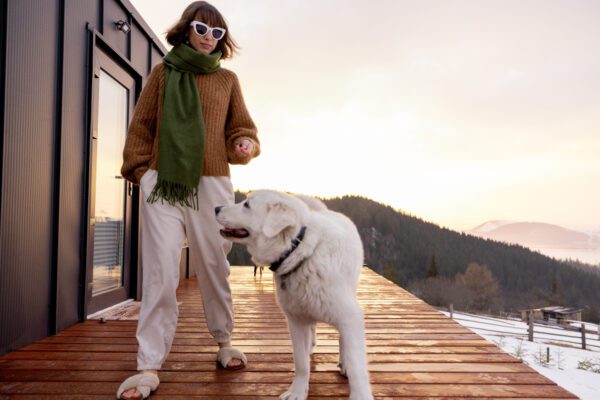
The Akbash is a calm, confident livestock guardian that forms a deep bond with its family. This large white dog is thoughtful rather than flashy, and it chooses to act with purpose. An Akbash thrives when it can watch over a home, acreage, or livestock while staying close to trusted people.
Research matters before you bring any dog home, and it matters even more with guardian breeds. An informed adopter sets clear expectations, chooses a dog that matches the household, and prevents problems before they start. Adoption is often preferable to buying because you help a dog in need, you pay less than market purchase prices, and you gain support from experienced counselors who evaluate health and temperament.
South Dakota can suit an Akbash well thanks to open spaces, working farms, and a climate that includes cold winters. The dense double coat insulates in cold and wind, which helps in prairie conditions. Hot summers require shade, fresh water, and rest during peak heat. Rural and suburban homes with secure fencing fit this breed best, while dense urban living can challenge an Akbash due to size, voice, and the need to patrol a defined territory.
You can avoid searching shelters and rescues one by one by using Dog Academy to browse current adoption listings in one place. You will also find helpful guides and checklists that explain each step. You can still check local animal shelters, regional rescues, and breed-specific rescue groups if you want more options, but a single, organized listing saves time and reduces stress.
Start by reviewing listings and reading each profile closely. Confirm size, age, energy level, and any notes about livestock experience or apartment suitability. Submit an application that includes your contact information, details about your home, and information about other pets. Some organizations ask for personal references, proof of home ownership or landlord approval, and a veterinarian reference to confirm prior pet care.
Qualified applicants are invited to a meet-and-greet. This meeting helps you confirm temperament, test handling, and evaluate fit with children or resident pets. Many groups also schedule a home check to review fencing, gates, shade, water access, and safe confinement. Home checks can be in person or virtual video tours. After approval, you sign an adoption contract, pay the fee, and choose a pickup date. Timelines vary by organization, but many adoptions in South Dakota finalize within 7 to 21 days from application to go-home, and some straightforward cases finish faster.
Akbash dogs are not common in every county. If the right dog is not nearby, ask about transport options. Transport is often arranged by rescues to move dogs between states using volunteer drivers or professional carriers that follow strict welfare standards. Groups usually require a current health certificate and careful scheduling, and they may add a modest transport fee to cover fuel and logistics.

|
How Much Does It Cost to Adopt a Akbash in South Dakota?Most adopters in South Dakota pay $150 to $400 to adopt an Akbash through a shelter or rescue. Puppies and young adults placed by specialty rescues may be higher, and some reach $500 when demand increases. Fees reflect care already provided, which often includes spaying or neutering, vaccinations, microchipping, and veterinary exams. Costs can also include deworming, heartworm testing, and treatment for minor issues discovered during intake or foster care. Age, training, medical history, and local demand for livestock guardians influence the final fee. Well-socialized dogs that have basic manners, leash skills, and house training may cost more because training adds value and reduces risk. Rural shelters with lower overhead sometimes charge on the lower end, while breed-specific rescues that provide extensive medical work and professional transport may be on the higher end. |
How Should I Train a Akbash?The Akbash is intelligent and independent, which means it understands tasks quickly but does not comply blindly. This breed excels when you build trust and reward good choices. Use positive reinforcement with high-value food, calm praise, and consistent boundaries. Keep sessions short, end on a success, and practice in quiet spaces before adding distractions. Early socialization is essential, and it should include friendly people, stable dogs, livestock, different surfaces, and supervised public outings. Common challenges include strong territorial barking, selective recall, and roaming if fences are weak. Focus on rock-solid recall, boundary training, calm greetings, and settle-on-mat skills. Give the dog a job such as structured yard patrols, scent games, or quiet place-work during household activity. If you want a step-by-step plan that fits busy schedules, explore Dog Academy’s online training courses for large breed foundations, impulse control, and real-world manners that respect guardian instincts. |
|
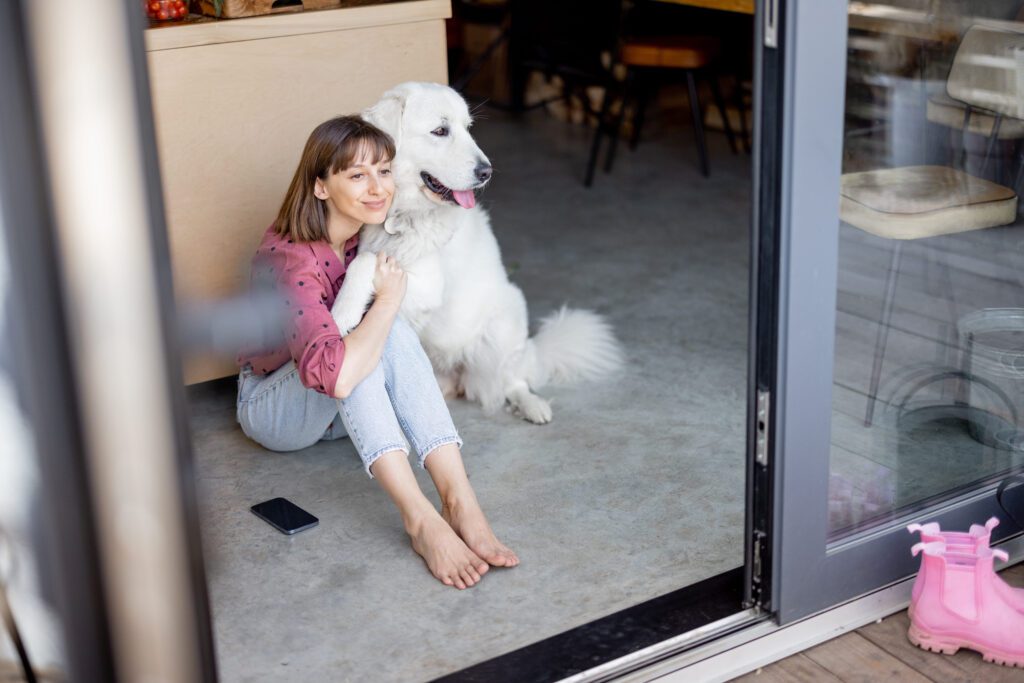
The ideal adopter has time for daily training, a secure fenced yard, and a stable routine. Experience with large working dogs helps, but a patient and consistent beginner can also succeed with guidance and a strong support network. The Akbash needs clear rules, quiet confidence from the handler, and regular mental work in addition to moderate physical exercise.
Prepare before you apply by setting a budget, finding a veterinarian, and gathering supplies such as a 6-foot leash, a sturdy collar, an ID tag, a crate sized for a giant breed, and high-quality food. Take your time, ask questions, and make sure the dog’s history and temperament match your lifestyle. When you are ready, use Dog Academy adoption listings to adopt an Akbash in South Dakota with clarity and care.

Introducing a new puppy to your current dog is often an exciting process, and many dogs will become fast friends and eas...
Read More
Rescue dogs can make great companions and can transform your home into something better. These dogs make great pets and ...
Read More
You should never rush to pet a dog. Even dog owners make the mistake of approaching unfamiliar dogs and petting them rig...
Read More
Puppy mill dogs are survivors who have endured extreme hardships in their lives. They have grown up in horrendous, unsan...
Read More
With their wagging tails and comforting presence, adopting a dog can add a unique touch to your life. It’s a heart...
Read More
Older dogs may have a few gray hairs around the edges, but that doesn’t mean they can’t make wonderful companions! T...
Read More