



























































































































































































Introducing a new puppy to your current dog is often an exciting process, and many dogs will become fast friends and eas...
Read MoreAdopt Me
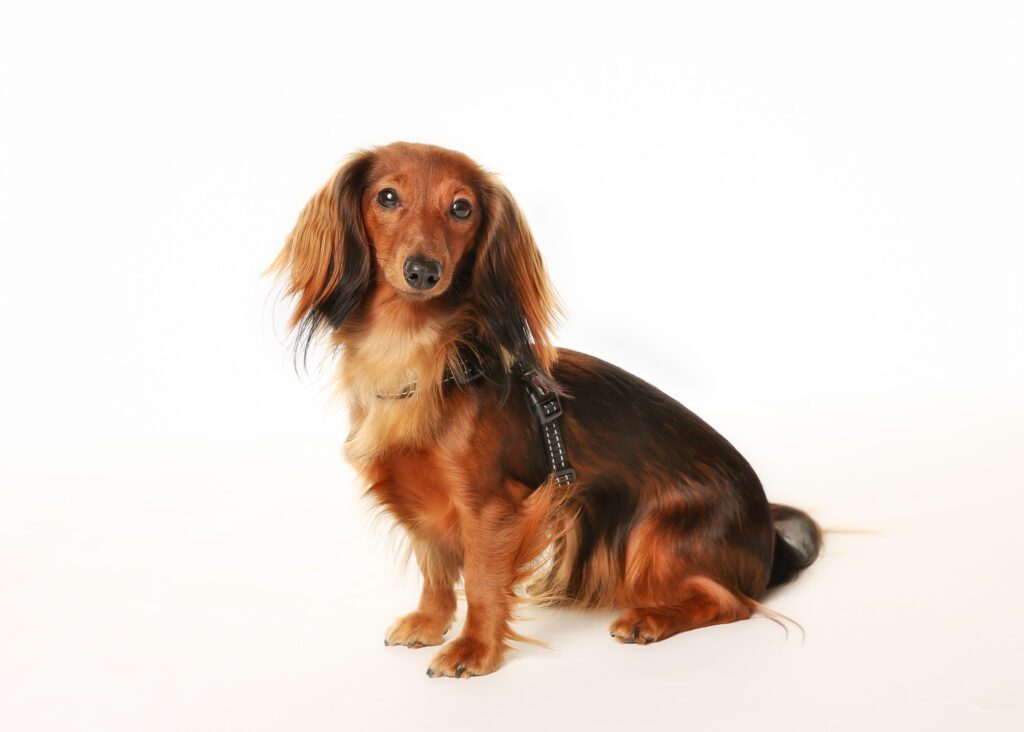

Dachshunds win hearts with big personalities in small bodies. They are curious, comical, and loyal. Many love to cuddle after a brisk sniff-and-stroll. Their bold spirit comes from a hunting past, so they chase scents and can be vocal. Researching the breed before you adopt helps match energy, temperament, and lifestyle. That preparation sets you and your new dog up for success.
Adoption is often the best path. You give a dog a second chance and get support from a shelter or rescue that knows the breed. In Connecticut, the four-season climate is manageable for Dachshunds with a few adjustments. Winters are cold and snowy, so plan on sweaters, booties, and shoveled paths since short legs sink in snow. Summers can be humid, so keep walks cooler and shorter.
Connecticut’s mix of apartments and suburban homes suits a small companion breed. Dachshunds fit well in smaller spaces as long as they get daily walks, enrichment, and gentle stair management to protect their backs. They may bark at hallway noises or wildlife in wooded suburbs. Consistent training and smart management keep the peace with neighbors.
Start by browsing adoptable dogs through shelters and breed-focused rescues. You can explore current listings on Dog Academy to see Dachshunds and Dachshund mixes in and near Connecticut. Also check the Connecticut Humane Society and national breed networks like Dachshund Rescue of North America, which often has foster homes in New England. Municipal shelters and animal control facilities sometimes take in small hounds as well. The state’s animal control page offers guidance at the Connecticut Department of Agriculture.
Before applying, make sure a Dachshund fits your routine. This breed is intelligent, independent, and scent-driven. They thrive with patient training, daily sniff walks, and calm handling. Back health is a key consideration. Plan for ramps, careful stair use, and a harness. If that all sounds right, move to applications.
The typical adoption process starts with browsing listings and reading bios. Next is the application. Expect questions on your schedule, home setup, yard security, and vet history. Renters may need landlord approval. Rescues often request personal or veterinary references to ensure a stable match.
After initial screening, you may have a meet-and-greet. Many groups do a home check, either virtual or in person, to confirm safety and discuss setup. Approval timelines vary with demand and volunteer capacity. In Connecticut, plan for 1 to 3 weeks once your application is complete. If you want a puppy, expect extra competition and time. Being flexible on age, color, or coat type often speeds the process and helps you meet a wonderful match.
|
How Much Does It Cost to Adopt a Dachshund in Connecticut?In Connecticut, adoption fees for Dachshunds and Dachshund mixes usually range from $300 to $600 with breed-specific rescues often around $350 to $500. Puppies can be higher at $500 to $700 due to vaccines and high demand. Seniors or special-needs dogs may be $150 to $350. Costs vary with age, medical history, behavior training, and whether the dog has had recent dental work or imaging for back concerns. Fees typically include core vaccines, spay or neuter when age-appropriate, a general vet exam, deworming, microchip, and often a heartworm test. Some rescues add a starter leash or harness and a trial of food. If the group funded advanced care such as dental surgery or treatment for back pain, fees may sit at the top of the range to offset expenses. |
How Should I Train a Dachshund?Dachshunds are bright and eager to solve problems, yet they can be stubborn. They respond best to short, upbeat sessions with high-value rewards. Harsh methods shut them down and can increase reactivity. Focus on positive reinforcement, clear boundaries, and consistent routines. Build reliable cues for recall, settle, and quiet. House training can take patience. Frequent potty breaks and careful management are key. Protect their back with a harness for leash walks and teach a cue to pause at stairs. Use ramps for furniture and reward calm movement. Mental enrichment like scent games, puzzle feeders, and nose work helps channel their hunting drive. If you want expert guidance, Dog Academy’s online training courses provide step-by-step lessons taught by professionals. You get practical support for house training, polite leash skills, and enrichment plans designed for small hounds. Dog Academy keeps training fun, effective, and safe for long-backed breeds. |

|
Dachshunds are best for adopters who enjoy daily walks, cozy couch time, and lively personalities. They fit well in apartments and suburban homes that can manage barking with training and provide back-safe living spaces. Families with older children who can handle a small dog gently often do well. First-time owners succeed when they commit to coaching and structure.
Take time to prepare your home, explore reputable rescues, and ask questions about each dog’s needs. Patience leads to the right match. With realistic expectations and the right training plan, you can adopt a Dachshund in Connecticut and enjoy a loyal companion for years to come.

Introducing a new puppy to your current dog is often an exciting process, and many dogs will become fast friends and eas...
Read More
Rescue dogs can make great companions and can transform your home into something better. These dogs make great pets and ...
Read More
You should never rush to pet a dog. Even dog owners make the mistake of approaching unfamiliar dogs and petting them rig...
Read More
Puppy mill dogs are survivors who have endured extreme hardships in their lives. They have grown up in horrendous, unsan...
Read More
With their wagging tails and comforting presence, adopting a dog can add a unique touch to your life. It’s a heart...
Read More
Older dogs may have a few gray hairs around the edges, but that doesn’t mean they can’t make wonderful companions! T...
Read More