Husky Puppies for Sale
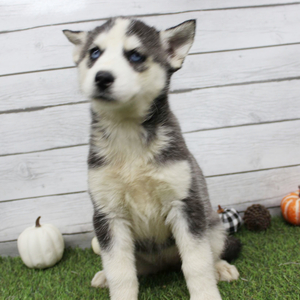
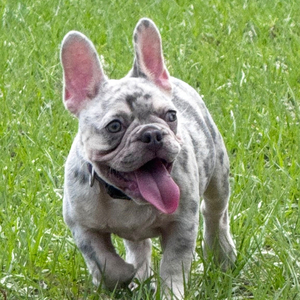
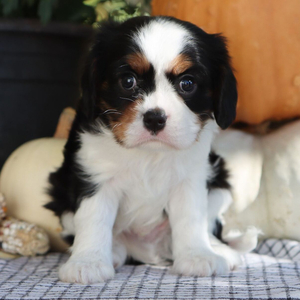
Looking for Husky puppies for sale in Boston can feel exciting and a little overwhelming. This guide makes it easier to compare available puppies in Boston, learn what young Huskies need, and take thoughtful steps toward bringing one home.
The easiest way to find a Husky puppy for sale in Boston is to use this Dog Academy guide, which gathers continually updated Husky puppy listings in one place. We will cover breeder questions, early care, training, Boston-friendly activities, and practical ways to prepare your home.
How to Find Husky Puppies in Boston to Buy
Start by reviewing the continually updated Boston listings gathered by Dog Academy. Seeing Husky puppies in one place makes it simpler to compare ages, availability, and details before contacting a breeder in Boston.
Ask about the puppy’s veterinary records, vaccinations, deworming schedule, parents, temperament, and early socialization. A responsible conversation should also cover how the puppy has experienced household sounds, gentle handling, grooming, crates, and short separations. Ask about the purchase agreement and what support is available after your Boston puppy comes home.
How to Find a Good Husky Breeder in Boston

A thoughtful Husky breeder should welcome detailed questions instead of rushing you toward a deposit. Ask whether the parents have appropriate health evaluations, including hip and eye screening. Siberian Huskies can be affected by inherited eye conditions and orthopedic concerns, so clear records matter.
Pay attention to how the puppies behave in their living environment. Clean surroundings, bright eyes, healthy coats, curious behavior, and calm recovery after mild surprises are encouraging signs. Ask how the litter is being socialized and whether you can meet the mother. If a breeder avoids basic health questions or cannot explain the puppy’s routine in Boston, it is reasonable to pause and keep looking.
Why Should You Buy a Husky Puppy in Boston?
Huskies can be joyful companions for active Boston households. They are athletic, social, clever, and often wonderfully playful. A puppy may enjoy brisk neighborhood walks, structured games, and weekend outings along dog-friendly paths. Boston’s cold winters can be comfortable for a well-cared-for Husky, especially when outdoor time is balanced with warm indoor rest.
The challenges are real. Huskies shed heavily, can be vocal, and may try to escape when bored. A young puppy needs secure doors, a carefully managed crate routine, and daily mental work. Apartment living can work if the household provides consistent exercise and respects building pet rules, though thin walls may make a talkative puppy difficult. Families with children should supervise play, and introductions to cats or other dogs should be gradual. For an active home ready for fur, noise, and training, a Husky puppy can bring an extraordinary amount of energy and affection to Boston life.
How to Train Your New Husky Puppy in Boston
Begin training as soon as your Husky puppy arrives. Focus on name recognition, recall foundations, loose-leash walking, gentle handling, crate comfort, and a reliable potty routine. Boston has busy sidewalks, traffic sounds, stairwells, elevators, and crowded gathering areas, so calm exposure should happen slowly and with plenty of treats.
Huskies are intelligent, but they are not always eager to repeat a dull exercise. Short, upbeat sessions and rewards-based methods usually work better than harsh corrections. Practice indoors when winter weather is severe or summer humidity is high, then build outdoor skills gradually. Dog Academy’s online training courses can guide self-led practice at home. In-person training may also be available depending on your location or ZIP code, so check what options fit your Boston household.
The Best Places to Bring Your Husky Puppy in Boston
Boston offers many ways to help a growing Husky explore safely. Keep outings age-appropriate, avoid strenuous exercise while bones are developing, and follow posted rules for each public space.
- Neighborhood sidewalks and quieter residential blocks: These are useful for practicing loose-leash walking around Boston’s everyday sounds. Choose less crowded times and reward your puppy for checking in rather than pulling toward every scent.
- Dog parks: A secure dog park can provide enrichment for a confident, fully vaccinated puppy, but it is not the right setting for every young Husky. Watch body language closely and leave if play becomes too intense.
- Public walking paths and green spaces: Boston-area paths can offer new smells and gentle sensory experiences. Keep a Husky puppy on a secure leash because this breed may chase movement or follow an interesting scent.
- Dog-friendly patios and shops: Calm, pet-friendly businesses can support socialization around voices, doors, carts, and unusual surfaces. Keep visits brief and bring a mat so your puppy learns how to settle.
- Indoor enrichment at home: On icy, stormy, or very humid Boston days, food puzzles, scent games, and short training sessions can tire a puppy without overworking growing joints. Honestly, these quiet games often reveal how wonderfully inventive Huskies can be.
Buying a Husky Puppy in Boston: Frequently Asked Questions
Bringing home a Husky puppy is a long-term commitment. These answers can help Boston buyers plan for health, exercise, training, and daily life before choosing a puppy.
How do I buy a Husky puppy in Boston?
Begin with Dog Academy’s continually updated Husky puppy listings in Boston. Compare available puppies, then contact breeders to ask about health records, temperament, socialization, vaccinations, and purchase arrangements. A careful conversation helps you choose with confidence.
Are Huskies a good fit for Boston apartments?
They can be, but apartment life requires daily exercise, enrichment, and considerate training. A Husky puppy may be energetic and vocal, so plan for hallway manners, elevator practice, secure doors, and activities that reduce boredom without disturbing neighbors.
How much exercise does a Husky puppy need in Boston?
Young Huskies need frequent short activities rather than forced long runs. Combine gentle walks, sniffing, play, and training. Adjust outdoor time during Boston’s icy winters and humid summers, and ask your veterinarian when your puppy can safely increase exercise.
Are Huskies good with children?
Many Huskies are affectionate and playful with respectful children. Adults should supervise every interaction, provide the puppy with a quiet retreat, and teach children not to climb on, chase, or disturb the dog while eating or sleeping.
Can a Husky puppy live with cats or other pets?
It depends on the individual puppy and the other animals. Introduce them slowly using gates, leashes, scent exchanges, and close supervision. Because Huskies can have strong chase instincts, never assume a new puppy is safe to roam freely with smaller pets.
What should I ask a Boston Husky breeder?
Ask for parent health records, information about inherited eye and hip concerns, vaccination and deworming details, socialization practices, feeding instructions, and the written purchase agreement. Ask how the breeder will support the puppy’s transition into your Boston home.
Where can I train my Husky puppy in Boston?
You can start with self-led Dog Academy online training courses at home and practice around Boston’s real-life distractions. In-person training may also be available depending on your location or ZIP code, so check local options that use positive, rewards-based methods.