Pomeranian Puppies for Sale
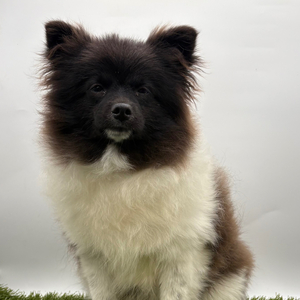
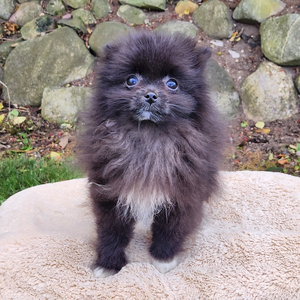


Looking for Pomeranian puppies for sale in Boston can feel exciting and overwhelming at the same time. You may be wondering how to compare puppies, what health questions to ask, and whether this tiny breed will fit your Boston home. The easiest way to begin is with this Dog Academy guide, which brings continually updated Pomeranian puppy listings together in one place.
Below, you will learn how to buy a Pomeranian puppy in Boston, prepare an apartment or house, plan early training, and choose Boston outings that suit a small, lively companion. With thoughtful preparation, you can give your puppy a confident start.
How to Find Pomeranian Puppies in Boston to Buy
The simplest way to compare Pomeranian puppies for sale in Boston is to use the continually updated local listings from Dog Academy. Having listings in one place makes it easier to compare puppy details and contact breeders in Boston without searching across many separate sites.
Ask each breeder about veterinary records, vaccination and deworming schedules, parent health testing, temperament, socialization, and the puppy’s daily routine. You should also discuss purchase arrangements clearly, including the contract, health guarantee, registration documents, and what support is provided after the puppy joins your Boston household. A careful conversation helps you make a confident choice.
How to Find a Good Pomeranian Breeder in Boston

A responsible Pomeranian breeder should welcome detailed questions and allow you to learn how puppies are raised. Look for clean living spaces, gentle handling, regular household sounds, and puppies that appear alert, curious, and comfortable with people. Ask to meet the mother when possible and request records for both parents.
Pomeranians can be vulnerable to dental crowding, kneecap problems, eye conditions, and collapsing trachea. Ask whether the parents have received appropriate health evaluations and whether the breeder can explain these concerns plainly. Be cautious if you are pressured to pay quickly or if records and written agreements are unavailable. In my experience, patience at this stage protects both you and your puppy.
Why Should You Buy a Pomeranian Puppy in Boston?
A Pomeranian can suit Boston life because the breed is small, bright, and adaptable. A puppy can often get enough indoor activity in an apartment when you combine short walks with play, training, and enrichment. Their compact size also makes it easier to manage city routines, although you still need to protect a young puppy from unsafe pavement, busy sidewalks, and overstimulation.
That said, Pomeranians are not effortless companions. They may bark at hallway sounds, guard windows, or become overwhelmed by crowded streets. Their thick double coat needs regular brushing, and Boston’s humid summers call for shade, water, and shorter outdoor sessions. Winter salt and ice can irritate small paws, so wipe them after walks and consider protective gear if your puppy tolerates it. This breed is often a good fit for attentive singles, couples, and families with respectful older children. Supervision is especially important with toddlers and larger pets because a Pomeranian puppy is physically delicate.
How to Train Your New Pomeranian Puppy in Boston
Begin training as soon as your Pomeranian puppy settles into your Boston home. Focus on name recognition, gentle handling, crate comfort, leash skills, and house training. A small puppy may need frequent bathroom breaks, which can be challenging in a high-rise building. Create a predictable routine and use a designated indoor backup area only when necessary.
Pomeranians are clever and can lose interest in repetitive lessons, so keep sessions brief and rewarding. Use treats, praise, toys, and calm repetition rather than harsh corrections. Practice a quiet behavior such as “settle” when your puppy hears neighbors or street noise. Dog Academy’s online training courses can guide you through self-led lessons at home. In-person training may also be available depending on your location or ZIP code, so check what options fit your Boston area.
The Best Places to Bring Your Pomeranian Puppy in Boston
Boston offers several types of outings that can help a Pomeranian puppy explore gradually. Choose quiet times, keep early trips short, and build confidence before visiting busy areas.
- Neighborhood sidewalks and quieter streets: These are useful for leash practice and short sniffing walks. Avoid forcing your puppy through heavy foot traffic, construction noise, or crowded event areas.
- Fenced dog parks: A secure dog park can provide exercise later, but very young Pomeranians should not be placed with large, rough dogs. Visit during calm periods and prioritize controlled play with compatible dogs.
- Boston-area walking paths and green spaces: Gentle paths offer new smells and surfaces without requiring intense exercise. Check pavement temperature in summer and watch for ice, salt, and frozen ground in winter.
- Dog-friendly patios and shops: These settings can support calm socialization when your puppy is ready. Bring a mat and reward quiet behavior instead of allowing your puppy to greet every person.
Buying a Pomeranian Puppy in Boston: Frequently Asked Questions
These answers address common concerns about raising a Pomeranian puppy in Boston. Your puppy’s age, health, temperament, and living arrangement should guide each decision.
How do I buy a Pomeranian puppy in Boston?
Start by reviewing Dog Academy’s continually updated Pomeranian puppy listings in Boston. Compare available puppies, then contact breeders to ask about health records, parent testing, socialization, temperament, contracts, and purchase arrangements. Take time to choose a puppy whose needs match your household.
Are Pomeranians a good breed for Boston apartments?
They can be a good fit when you provide daily training, indoor play, short walks, and thoughtful noise management. Pomeranians may bark at hallway activity, so reward quiet behavior and use enrichment before predictable busy periods. Their small size helps, but it does not remove their need for attention and exercise.
How should I protect a Pomeranian puppy during Boston winters?
Keep outdoor trips brief during severe cold, avoid icy areas, and wipe salt or deicing residue from your puppy’s paws after walks. A properly fitted coat may help some puppies, but never force clothing that restricts movement. Indoor games and training can maintain activity during difficult weather.
How much grooming does a Pomeranian puppy need?
Plan gentle brushing several times each week and increase attention as the coat develops. Introduce brushing, paw handling, ear checks, and tooth care with tiny rewards. Early grooming practice is especially helpful for Boston families who use professional grooming services during busy seasons.
What health issues should I discuss before buying a Pomeranian puppy?
Ask about patellar luxation, dental crowding, eye conditions, tracheal problems, and low blood sugar in very young or tiny puppies. Request veterinary records and ask how the breeder monitors growth and feeding. Your own veterinarian can help create a preventive care plan after the puppy comes home.
Can Pomeranian puppies live safely with children or other pets?
Yes, but close supervision is essential because Pomeranian puppies are small and fragile. Teach children to sit calmly for interactions, avoid carrying the puppy without help, and respect rest time. Introduce larger dogs slowly with barriers and controlled sessions so the puppy can feel secure.