Cavapoo Puppies For Sale


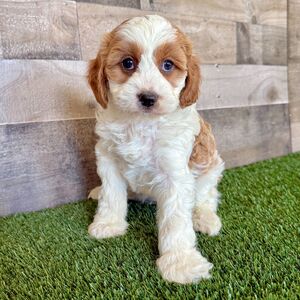
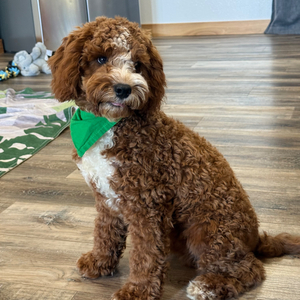

Cavapoo Puppies for Sale in Tennessee
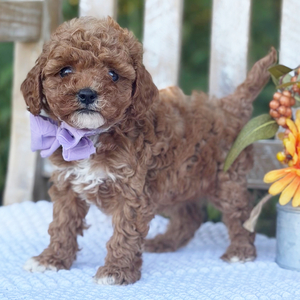
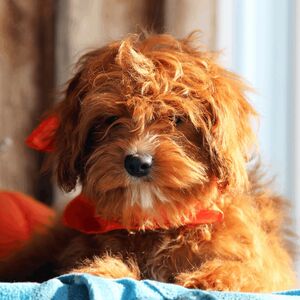
Cavapoos (a Cavalier King Charles Spaniel and Poodle mix) are popular with Tennessee puppy buyers because they combine a sweet, people-focused personality with a cute teddy-bear look and a coat that many owners find easier to manage than heavy-shedding breeds. As puppies, they’re typically affectionate, curious, and eager to be involved in whatever their humans are doing—whether that’s hanging out in a Nashville apartment or joining a family routine in the Knoxville suburbs.
Because Tennessee weather can swing from hot, humid summers to cooler winters, Cavapoo puppies do best when owners plan for comfort and safety: plenty of indoor time with A/C during peak heat, fresh water on hand, and short outdoor play sessions when temperatures are high. They’re also small enough that you can exercise them with neighborhood walks and short play sessions—plus Tennessee’s many pet-friendly trails and greenways can be a great fit if you’re consistent with leash training.
Before you buy, it’s smart to get familiar with what Cavapoo puppies are like specifically: their grooming needs can vary (curlier “Poodle-leaning” coats vs. straighter “Cavalier-leaning” coats), and early training matters a lot for preventing clinginess, nuisance barking, or separation stress. The better you understand the breed mix, the easier it is to choose the right puppy for your Tennessee lifestyle.
Cavapoo Puppies for Sale: How Do You Buy a Cavapoo Puppy in Tennessee?
The most reliable way to buy a Cavapoo puppy in Tennessee is to start with a trusted source that helps you compare multiple reputable breeders rather than relying on a single online ad. Dog Academy’s breed guide is designed for exactly that—so you can review available puppies and learn what to look for in ethical breeding practices.
Start by browsing Dog Academy’s listings here: Cavapoo puppies for sale on Dog Academy. This is the best place to check current availability and focus your search toward Cavapoo puppies that may be a good match for Tennessee buyers.
As you narrow down options, focus on puppy health and transparency. A responsible breeder should be willing to discuss the puppy’s early care, veterinary records, and the puppy’s home environment. You’ll also want clarity on the puppy’s expected adult size, coat tendencies, and timeline for taking your puppy home.
Once you choose a puppy, expect a deposit and a written contract. Read the agreement carefully so you understand any health guarantees, return policy, and spay/neuter requirements. A clear contract protects both the buyer and the puppy—and is often a sign the breeder is operating responsibly.
How Much Does It Cost to Buy a Cavapoo Puppy in Tennessee?
In Tennessee, Cavapoo puppy prices commonly fall between about $1,500 and $3,500, though pricing can increase depending on coat type, color, breeder demand, and parent dogs. Puppies marketed with rarer colors or particularly curly/non-shedding coats may cost more.
Beyond the purchase price, budget for first-year essentials: an initial vet visit, vaccines, a high-quality puppy food, a crate, grooming supplies (and professional grooming if your puppy has a curlier coat), plus training support. Planning upfront helps you avoid cutting corners during the most important developmental months.

How Should I Train a Cavapoo Puppy?
Cavapoo puppies tend to respond extremely well to positive, rewards-based training. They’re usually sensitive and people-oriented, which means harsh corrections can backfire by making your puppy anxious or shut down. Instead, keep sessions short (5–10 minutes), upbeat, and consistent—especially when teaching basics like name recognition, sit, down, leash walking, and gentle greetings.
Because many Cavapoo puppies are very attached to their people, Tennessee owners should also prioritize early independence skills—like calm crate time, settling on a mat, and gradual alone-time practice—to reduce the risk of separation-related behaviors later. Pair alone-time with something positive (a safe chew or food puzzle) so your puppy learns that short separations are normal.
If you want a structured plan, use Dog Academy’s step-by-step programs here: online puppy training courses from Dog Academy. A guided course can be especially helpful if you’re raising a puppy for the first time or want to build reliable manners early.
How Should I Puppy Proof My Home for a Cavapoo Puppy?
Cavapoo puppies are small, quick, and curious—so puppy-proofing in Tennessee should focus on preventing chewing accidents, falls, and accidental ingestion. Inside the home, secure electrical cords, remove or block access to toxic plants, keep cleaning products and medications locked away, and pick up small items (kids’ toys, socks, hair ties) that can become dangerous if swallowed. Use baby gates to limit access while your puppy learns house rules.
Because Cavapoos can be enthusiastic chewers while teething, stock safe chew options and rotate them to keep your puppy interested. Also consider blocking off stairs or furniture jumping zones early—small puppies can be surprisingly clumsy and can injure themselves from repeated jumps.
For Tennessee yards, do a perimeter check before any off-leash time: confirm fencing has no gaps, remove yard chemicals and sharp tools, and keep mulch, fertilizers, and pest products out of reach. In summer heat, provide shade and avoid midday play—Cavapoo puppies do best with morning/evening outdoor time plus indoor play breaks.

Buy the Right Cavapoo Puppy in Tennessee for You
Buying the right Cavapoo puppy in Tennessee comes down to matching your lifestyle with the puppy’s expected coat care, energy level, and temperament—then choosing a puppy from a source that prioritizes health and responsible breeding. If you want the easiest path to compare options and start with a trusted directory, begin here: view available Cavapoo puppies for sale.
With the right plan for purchasing, training, and puppy-proofing, a Cavapoo puppy can be a wonderful fit for Tennessee—whether you’re in a city neighborhood or a quieter rural area—so long as you’re ready to invest in early structure, socialization, and consistent care.