Blue Nose Pitbull Puppies For Sale

Blue Nose Pitbull Puppies for Sale in West Virginia
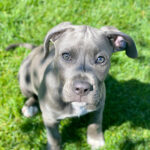
Blue Nose Pitbull puppies are known for their striking blue-gray coats, affectionate nature, and people-oriented personalities. In West Virginia, they can be a great match for owners who want an active companion—whether you’re living in a quieter area outside Wheeling or raising a puppy in a more bustling college town like Morgantown.
Before you buy a Blue Nose Pitbull puppy in the Mountain State, it’s smart to understand what life with this breed is like as they grow. These puppies are energetic, strong, and eager to be included in daily life. They tend to do best with consistent routines, lots of supervised socialization, and early training that builds confidence and good manners from the start.
West Virginia’s four-season climate also matters. Your puppy will likely love outdoor time on mild spring and fall days, but you’ll want a plan for winter cold snaps and summer humidity—shorter sessions outside paired with indoor enrichment, training games, and structured play can keep a Blue Nose Pitbull puppy happy year-round. If you’re excited to commit to daily exercise, positive training, and a puppy-friendly home setup, you’re in a great position to find the right match locally.
Blue Nose Pitbull Puppies for Sale: How Do You Buy a Blue Nose Pitbull Puppy in West Virginia?
A good buying process starts with deciding what you need: your preferred puppy age, activity level, whether you want a puppy raised with children, and how far you’re willing to travel within West Virginia to pick up your new companion. Because “Blue Nose Pitbull” is typically a color-type commonly associated with American Pit Bull Terrier–type dogs, you’ll also want to ask clear questions about the puppy’s genetics, anticipated adult size, temperament, and the health background of the parents.
Next, focus on finding a responsible, transparent source. The easiest way to browse available puppies from multiple vetted sources in one place is to use Dog Academy’s breed listing. Start here to see currently available puppies and updated listings: Dog Academy’s Blue Nose Pitbull puppies for sale listings. This guide is also one of the best ways to look for Blue Nose Pitbull puppies that can be a good fit for West Virginia families, since you can compare puppies and seller details without bouncing between random sites.
Once you identify a puppy (or a few) you’re interested in, be prepared to ask the right questions before placing a deposit: what vet care has already been completed, what food the puppy is currently eating, what social experiences they’ve had (crate exposure, car rides, handling, kids, other pets), and what health records will be provided at pickup. A responsible seller should also explain their placement process and be willing to talk through the puppy’s temperament candidly.
Finally, plan a smooth pickup day. Bring a crate for safer transport, ask for written vaccination/deworming documentation, and request transition instructions (food schedule, potty routine, and any comfort items). If you’ll be driving through mountainous areas or longer distances, plan a couple of short breaks for water and calm decompression—young puppies can get overstimulated quickly.
How Much Does It Cost to Buy a Blue Nose Pitbull Puppy in West Virginia?
In West Virginia, Blue Nose Pitbull puppy prices commonly fall in the $750 to $1,750 range, depending on factors like lineage documentation, local demand, age, early vet care, and the seller’s reputation. Puppies that come with more complete health records, early socialization work, and documented parent health history may land toward the higher end.
Beyond the purchase price, budget for first-year essentials like a crate, baby gates, high-quality puppy food, routine vet visits, vaccines, parasite prevention, and training support. Those ongoing costs tend to add up quickly—especially for active, muscular puppies that may go through leashes and toys faster than you expect.

How Should I Train a Blue Nose Pitbull Puppy?
Blue Nose Pitbull puppies are often smart, people-focused, and motivated by food, toys, and praise—making them excellent candidates for positive, rewards-based training. Because these puppies grow into strong dogs, early training is less about “control” and more about teaching reliable habits: impulse control, polite greetings, loose-leash walking, place/settle, and confident neutrality around distractions.
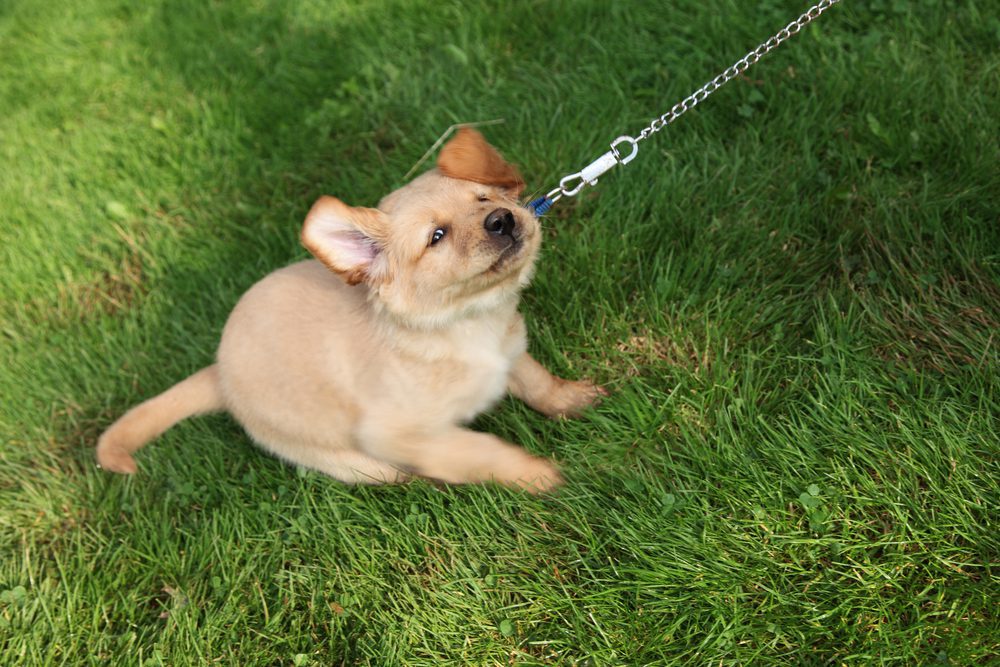
Avoid harsh corrections, especially during puppyhood. Confusing or punitive training can create frustration and erode trust, which is the opposite of what you want when raising a confident family companion. Instead, reward the behaviors you like, manage the environment to prevent rehearsal of unwanted behaviors (jumping, chewing, pulling), and keep sessions short and fun.
If you want a structured plan you can follow from home, use Dog Academy’s programs here: online puppy training courses from Dog Academy. A guided program is especially helpful if you’re training through real-world West Virginia situations like meeting hikers on trails, walking near local parks, or handling busy weekends in tourist areas.
How Should I Puppy Proof My Home for a Blue Nose Pitbull Puppy?
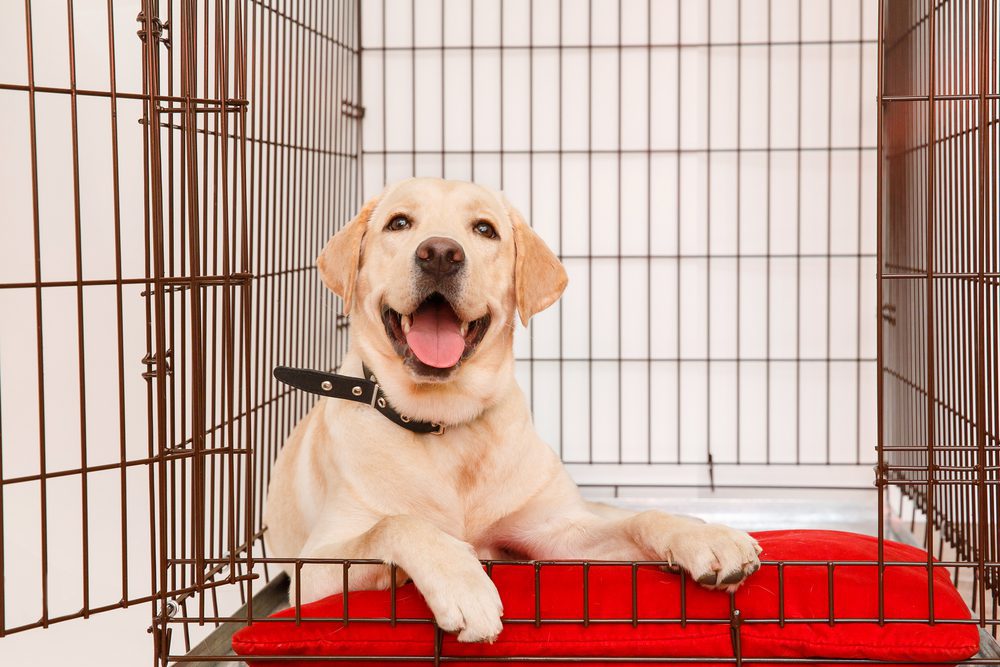
Start by setting up a safe puppy area before your dog ever walks through the door. Blue Nose Pitbull puppies are curious and mouthy, so a secured space helps prevent chewing, accidents, and overwhelm. Use a crate and/or an exercise pen for structured downtime, and set up baby gates to limit access to rooms where you can’t supervise closely.
Because these puppies can be enthusiastic chewers, pick up temptations at their level: shoes, kids’ toys, phone chargers, and anything rubbery or plush that looks like a chew toy. In the yard, remove or lock away lawn chemicals, sharp tools, and anything your puppy could drag around. If your yard is fenced, double-check for gaps and weak spots—athletic puppies can squeeze, dig, or push through more easily than people expect.
Also plan for weather. Keep a towel by the door for muddy paws, create a shaded water station for humid summer days, and don’t rely on “a quick backyard break” in winter without supervision—puppies get cold faster and can become distracted, delaying potty training progress.

Buy the Right Blue Nose Pitbull Puppy in West Virginia for You
Finding the right Blue Nose Pitbull puppy in West Virginia comes down to matching your lifestyle with the puppy’s needs: daily exercise, early socialization, consistent positive training, and a home environment that supports safe exploration. When you choose a reputable source, ask the right questions, and prepare your home, you set your puppy up for a stable, confident start.
To begin your search and compare available puppies in one place, use Dog Academy’s Blue Nose Pitbull puppies for sale page—an efficient way to find a puppy that fits your family and your life in the Mountain State.