Blue Nose Pitbull Puppies For Sale

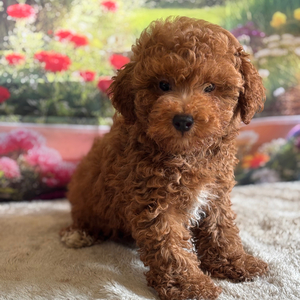
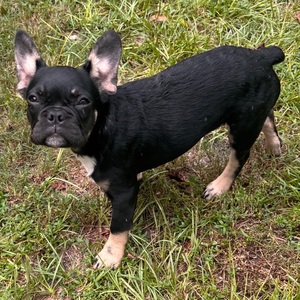


Blue Nose Pitbull Puppies for Sale in Connecticut
Blue nose Pitbull puppies are known for their striking blue-gray coats and “blue” noses—traits that come from specific genetics within the American Pit Bull Terrier type, not a separate breed. Beyond the looks, many families love these puppies for their devotion, people-focused personalities, and playful, affectionate nature when raised with structure and kindness.
Before you buy a puppy in Connecticut, it’s important to understand what these pups are like day-to-day. Blue nose Pitbull puppies tend to be energetic, mouthy (especially while teething), and highly social. That’s a great match for active Connecticut households that enjoy hikes, structured play, and training games—but it also means they need consistent routines, early socialization, and clear boundaries from the start.
Connecticut’s four-season climate can work well for this breed type overall, but winter walks may require common-sense precautions since many bully-type dogs have short coats. Plan for a warm dog jacket on cold days and prioritize indoor enrichment when weather limits outdoor time. Also, because breed labeling can affect renting and insurance, it’s smart to confirm pet policies before bringing a puppy home—especially if your puppy may be described as a “Pitbull-type” dog.
Blue Nose Pitbull Puppies for Sale: How Do You Buy a Blue Nose Pitbull Puppy in Connecticut?
A good buying process starts with knowing exactly what you want (age, temperament, energy level) and committing to ethical sourcing. The safest route is to use a centralized listing that screens and aggregates options—so you can compare multiple breeders and puppies without having to gamble on random classifieds or social media posts.
To start your search, use Dog Academy’s breed page for available puppies: see Pitbull puppies for sale on Dog Academy. This is the best place to look for Pitbull-type puppies (including “blue nose” color variations) while focusing on responsible sourcing and local availability.
Once you find a puppy you’re interested in, ask for documentation and transparency: veterinary records (vaccines/deworming), details about diet and routine, and information about the parents’ temperaments. Whenever possible, meet the puppy in person and observe conditions—cleanliness, socialization, and how the puppies respond to handling. A well-raised Pitbull puppy should be curious and friendly (even if a bit wiggly), not shut down or fearful.
Finally, think beyond the purchase day. In Connecticut, you’ll want to plan your first-week essentials (crate, chew toys, baby gates, vet appointment) and confirm local rules where you live. If you want to check your town’s official resources, you can start with the State of Connecticut official website and navigate to your municipality for local animal control guidance and licensing details.
How Much Does It Cost to Buy a Blue Nose Pitbull Puppy in Connecticut?
In Connecticut, the purchase price for a blue nose Pitbull puppy can vary widely based on lineage, health protocols, the breeder’s reputation, and demand. Many buyers will see prices around $1,500–$4,500 for puppies marketed specifically as “blue nose,” especially when sellers emphasize color, pedigree, or limited availability.
Beyond the upfront price, budget for first-year costs: vaccines/boosters, spay/neuter, microchipping, a crate, durable chew toys, training support, and routine vet care. If you’re planning to rent, also consider pet deposits or insurance requirements that sometimes apply to bully-type dogs.

How Should I Train a Blue Nose Pitbull Puppy?
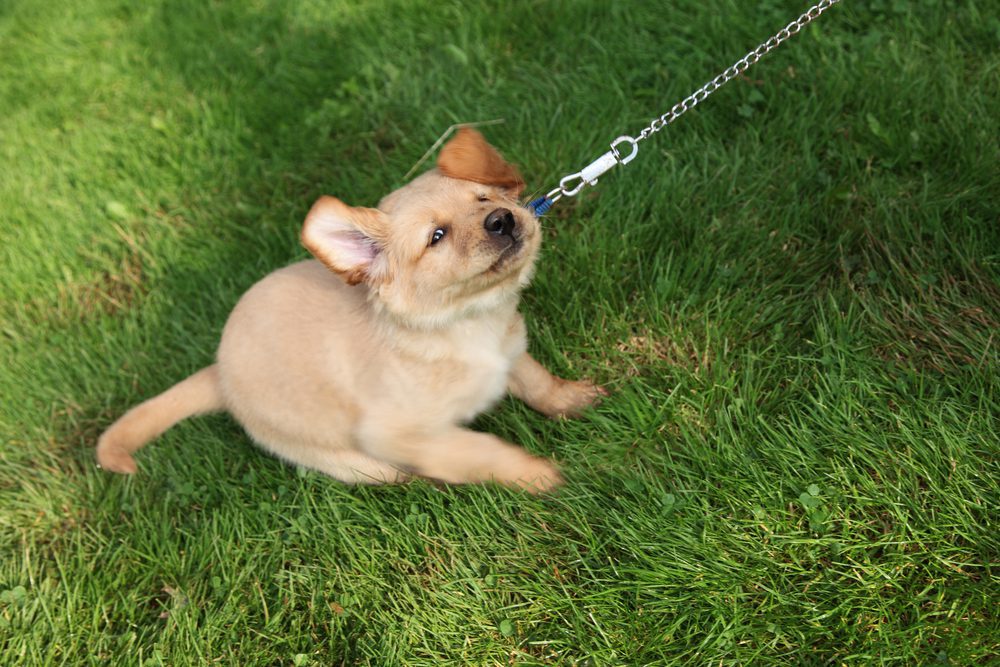
Blue nose Pitbull puppies typically do best with positive, rewards-based training—short sessions, clear cues, and lots of reinforcement for the behaviors you want. These puppies are often sensitive to harsh handling, and punishment-based methods can create fear, shutdown behavior, or reactivity. Instead, focus on consistency: reward calm greetings, teach “sit” for attention, and reinforce leash manners before your pup becomes strong enough to pull.
Prioritize early socialization (in safe, controlled ways), impulse control, and bite inhibition. Because these puppies can be enthusiastic chewers and jumpers, teaching polite behaviors early is much easier than trying to fix habits later. Food rewards usually work well for Pitbull-type puppies, but you can also use toys and play as reinforcement.
If you’d like a structured plan you can follow at home, Dog Academy provides step-by-step options here: browse Dog Academy online dog training courses.
How Should I Puppy Proof My Home for a Blue Nose Pitbull Puppy?
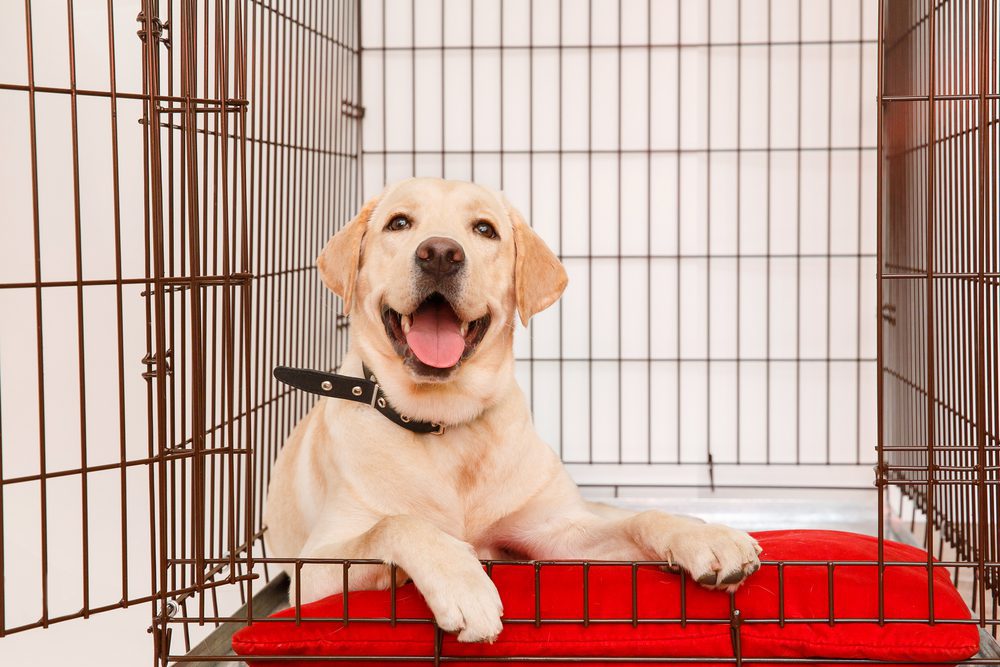
Puppy-proofing is essential with blue nose Pitbull puppies because they explore with their mouths—especially during teething. Start by controlling access: use baby gates, close doors, and keep your puppy in a safe, supervised area when they’re not crated. Pick up shoes, kids’ toys, and anything small enough to swallow. Secure electrical cords with covers or route them out of reach.
Because bully-type puppies can be powerful chewers even when small, choose sturdy chew toys and rotate them to keep interest high. Put trash in lidded cans, store food securely, and keep cleaning products and medications in locked cabinets. If your puppy has access to a yard, check fencing for gaps and weak boards—these pups can squeeze and dig more than people expect. Remove or block access to potentially toxic plants and keep yard tools and chemicals stored away.
It also helps to set your home up for success: a crate for naps and downtime, non-slip rugs on slippery floors, and a dedicated puppy zone with safe chews. The easier it is for your puppy to make good choices, the faster training will stick.

Buy the Right Blue Nose Pitbull Puppy in Connecticut for You
To buy the right blue nose Pitbull puppy in Connecticut, focus on temperament, health, and responsible sourcing—not just color. Use a trusted listing source like Dog Academy’s Pitbull puppies for sale guide, ask thorough questions, and plan ahead for training, enrichment, and routine vet care.
When you pick a puppy whose energy level matches your lifestyle—and you commit to positive training and proper puppy-proofing—you’ll be set up for a loyal, affectionate companion that thrives in a Connecticut home.