



























































































































































































Introducing a new puppy to your current dog is often an exciting process, and many dogs will become fast friends and eas...
Read MoreAdopt Me
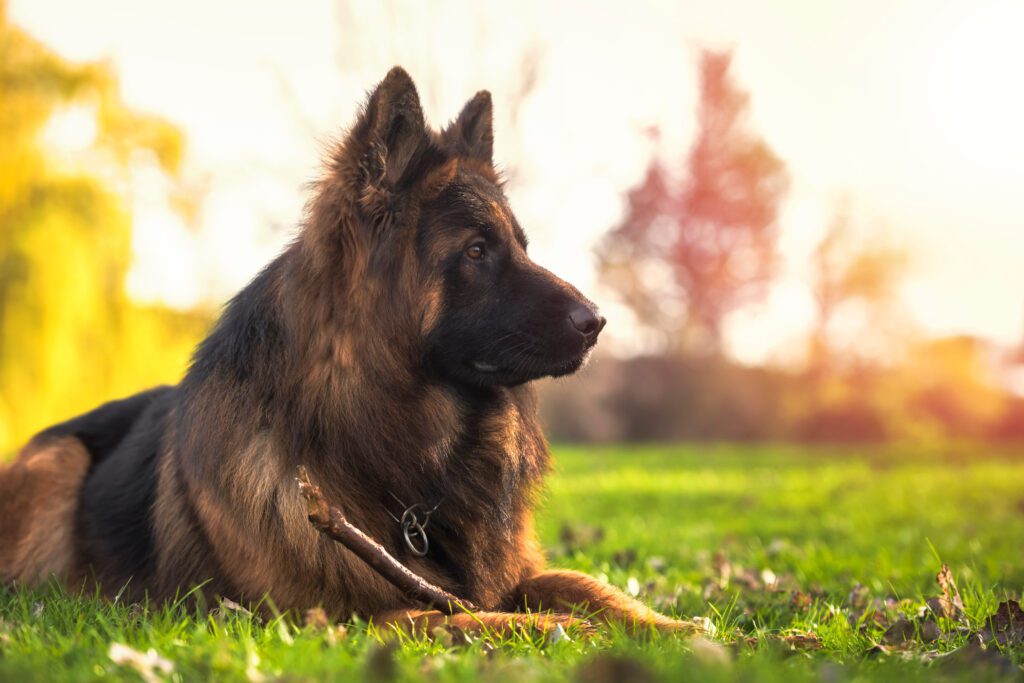


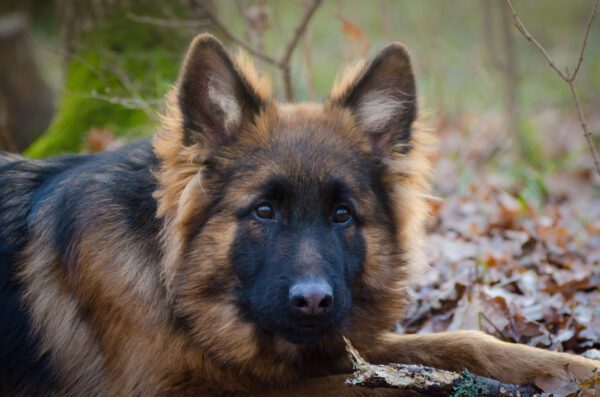
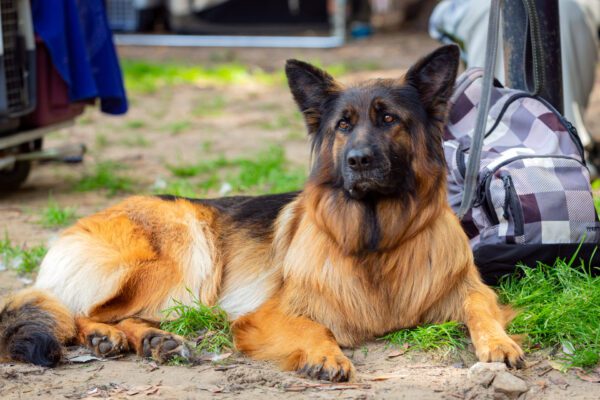
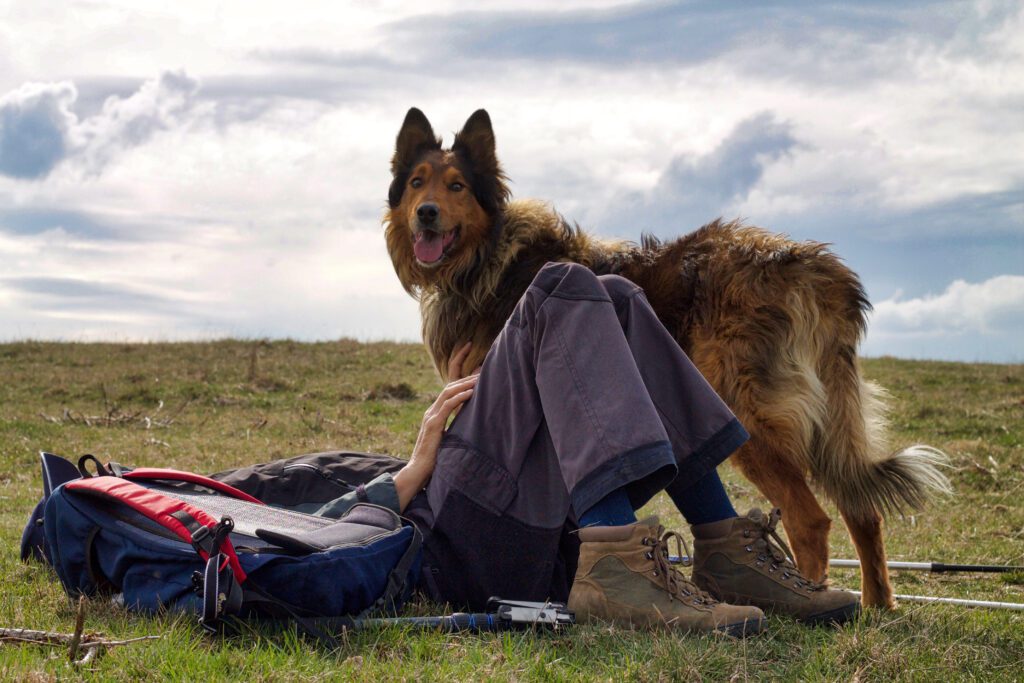
The Long-Haired German Shepherd combines classic shepherd intelligence with a striking, plush coat. This breed is loyal, eager to work, and deeply bonded to its family. Many people choose this dog for its trainability, steady confidence, and athletic build. The long coat adds glamour, but it also requires consistent care. Thoughtful research helps you decide if this high-drive, highly social dog matches your home, schedule, and goals.
Adoption gives a deserving dog a second chance and often provides more transparency about temperament and health. You also support ethical placement practices and free up space for the next dog in need. Buying can feel faster, but adoption helps you find a well-matched companion with guidance from knowledgeable volunteers who understand the breed’s needs.
Florida offers year-round sunshine and access to beaches, trails, and dog-friendly neighborhoods. The climate is hot and humid, which challenges a double-coated breed. A Long-Haired German Shepherd in Florida needs shade, air conditioning, and exercise during cooler hours. Coastal sand and humidity demand frequent coat maintenance. Urban condos can work if you provide daily training and structured activity, while suburban homes with fenced yards make management easier. With planning and routine, this breed thrives across Florida’s diverse lifestyle options.
You can skip searching rescues and shelters one by one by browsing adoptable listings through Dog Academy. These listings gather opportunities from local animal shelters, regional rescues, and breed-specific rescue groups in one place. Dog Academy also provides educational guides and adoption checklists that help you prepare your home, gather documents, and evaluate each dog’s needs.
Start by reviewing photos, bios, and behavior notes. Look for information about age, energy level, social history, and medical updates. When a dog interests you, submit an application that includes your household details, schedule, veterinary references, and landlord approval if you rent. Clear and complete answers help coordinators assess fit and accelerate the process.
Most groups arrange a phone interview to discuss your experience, training plans, and daily routine. Meet-and-greets allow you to observe the dog’s response to you and your family. Handlers often demonstrate basic manners and discuss triggers such as reactivity to other dogs or sensitivity to handling. Some groups perform a home check to verify safe fencing, secure gates, and an indoor setup that supports crate training and rest. Approval timelines vary, but many placements finalize within 1 to 3 weeks after application, depending on your responsiveness and the dog’s readiness.
If your ideal match is located outside your city, ask about transport. Transport is often arranged by rescues to move dogs between locations that have different demand levels. Some programs use volunteer drivers, while others partner with licensed carriers. Coordinators explain schedules, costs, and required health certificates so you understand every step.
|
How Much Does It Cost to Adopt a Long-Haired German Shepherd in Florida?Expect most adoption fees for a Long-Haired German Shepherd in Florida to fall between $150 and $450. Puppies and young adults with high demand can reach $500 to $600, while seniors often cost less. Fees reflect spaying or neutering, vaccinations, microchipping, and veterinary exams. Groups may invest in heartworm testing, flea and tick prevention, dental cleanings, or orthopedic care when needed, which can raise the fee. Age, training, medical history, and regional demand affect price. A dog with recent obedience training or advanced socialization may have a higher fee because training time reduces risk for first-time owners. Dogs that completed treatment for infections or injuries may also carry higher costs due to follow-up care and medications. |
How Should I Train a Long-Haired German Shepherd?The Long-Haired German Shepherd is highly intelligent and thrives on structure. This breed learns quickly and enjoys having a job. Use positive reinforcement with clear markers and high-value rewards. Short, focused sessions build engagement without creating frustration. Daily mental work, such as nose games and obedience drills, prevents boredom and supports calm behavior in the home. Common challenges include overarousal during greetings, protective posturing near the home, and strong herding tendencies around movement. Address these early with impulse control, relaxed leash walking, a reliable recall, and polite door routines. Socialize patiently with people and stable dogs in low-pressure settings so your dog forms confident, neutral habits. Crate training and mat training teach off-switch skills that are essential for life in a warm climate where midday activity must stay limited. For step-by-step guidance, consider Dog Academy’s online training courses. Lessons cover foundation skills, leash manners, recall, and confidence building. The courses support consistent practice, which helps a smart working breed stay balanced and responsive. |
|
The ideal owner enjoys daily training, regular exercise, and close companionship. A Long-Haired German Shepherd needs clear structure, time for grooming, and a cool indoor environment. Families who value routine and learning find this breed deeply rewarding. People who travel often or prefer a low-energy dog may struggle to meet its needs.
Set yourself up for success by preparing your home, supplies, and schedule before you apply. Research coat care, heat management, and breed-specific behavior. Take your time, ask detailed questions, and meet more than one dog. When you are ready to adopt a Long-Haired German Shepherd in Florida, use listings through Dog Academy, complete the process with care, and welcome a partner who will thrive by your side for years to come.

Introducing a new puppy to your current dog is often an exciting process, and many dogs will become fast friends and eas...
Read More
Rescue dogs can make great companions and can transform your home into something better. These dogs make great pets and ...
Read More
You should never rush to pet a dog. Even dog owners make the mistake of approaching unfamiliar dogs and petting them rig...
Read More
Puppy mill dogs are survivors who have endured extreme hardships in their lives. They have grown up in horrendous, unsan...
Read More
With their wagging tails and comforting presence, adopting a dog can add a unique touch to your life. It’s a heart...
Read More
Older dogs may have a few gray hairs around the edges, but that doesn’t mean they can’t make wonderful companions! T...
Read More