
























































































































































































Introducing a new puppy to your current dog is often an exciting process, and many dogs will become fast friends and eas...
Read MoreAdopt Me
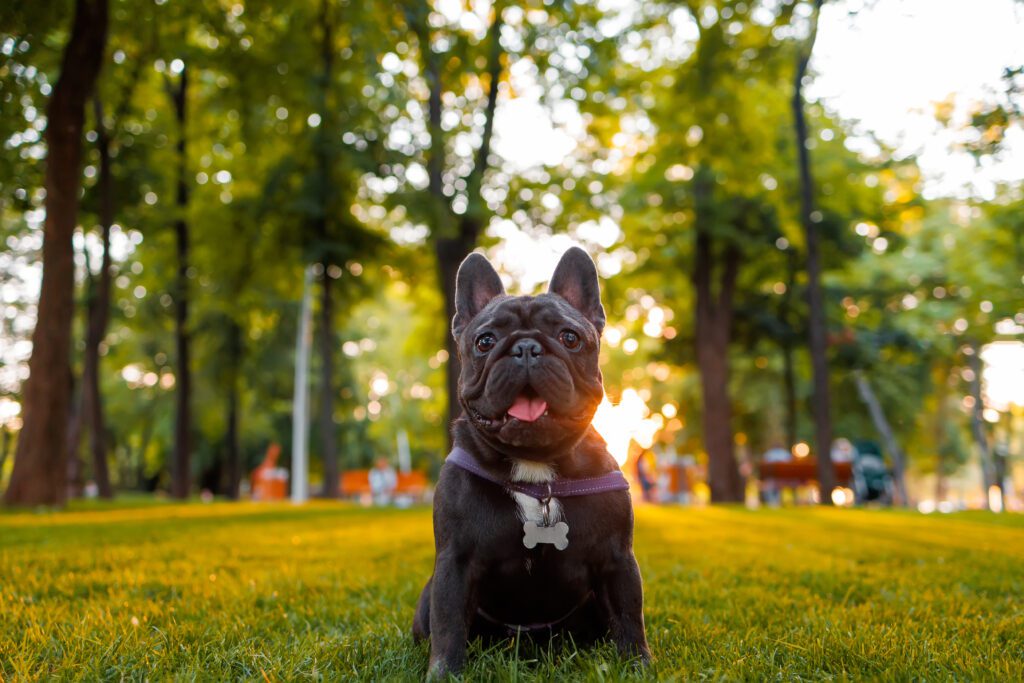



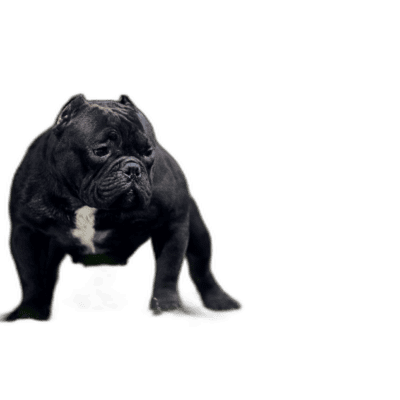
The Blue French Bulldog is a compact, affectionate companion that brings steady charm and playful energy to almost any home. The blue coat is a dilute gray color that looks striking and tends to draw attention, yet the dog’s real appeal comes from an easygoing temperament and deep love for people. This breed thrives on close contact, gentle play, and short daily walks, which suits many families and singles across Louisiana.
Research matters before you adopt a Blue French Bulldog in Louisiana because this breed has special needs. French Bulldogs have short muzzles, which makes breathing and heat regulation less efficient. Louisiana stays warm and humid for long stretches, so safe exercise requires shade, early or late walks, and reliable air conditioning. Coastal weather and heavy rain are also common in the state, so an evacuation plan, up-to-date identification, and a sturdy crate help keep your dog safe.
Adoption is a thoughtful choice because it opens space for another dog in need and often includes essential veterinary care at a savings. When you adopt, you also gain honest insight from shelter or foster notes about temperament, exercise needs, and any skin or allergy care that a Blue French Bulldog may require. Adopting a young adult or mature dog can make house training and home life easier, and it reduces demand for irresponsible breeding.
You can avoid searching separate rescues and shelters by starting with Dog Academy. Dog Academy’s adoption listings gather adoptable dogs in one place so you can quickly filter for a Blue French Bulldog in Louisiana. You can also use Dog Academy’s educational guides and adoption checklists to prepare your home, review questions to ask, and plan the first week with your new companion.
Adoptable Blue French Bulldogs appear through local animal shelters, regional rescues, breed-specific rescue groups, and foster networks. You can browse listings, read behavior notes, and confirm details like age, medical history, and whether the dog is comfortable with children or other pets. If a dog is posted outside your immediate area, you can contact the group to ask about availability and the next steps to apply.
The process usually starts with an online application that collects information about your household, schedule, and dog experience. Many groups request landlord permission for renters and personal references to confirm stability and readiness. A meet and greet helps confirm a good fit with all family members and resident pets, and a home check verifies safety items like secure fencing, air conditioning, and safe storage for chemicals. Approvals often take 1 to 3 weeks, though prepared adopters can move faster when vet references and supplies are ready. Some rescues arrange transport to move dogs between locations, and they use volunteer drivers or professional couriers to complete safe handoffs, which may add a modest transport fee and a scheduled pickup time within Louisiana.

|
How Much Does It Cost to Adopt a Blue French Bulldog in Louisiana?In Louisiana, the typical adoption fee for a Blue French Bulldog is about $400 to $900. The lower end is more common for seniors or dogs with known medical needs, and the higher end is more common for puppies or dogs with strong demand. Fees tend to be higher for this breed because staff often invest in respiratory screening, allergy management, and diagnostics. Adoption fees usually cover spaying or neutering, vaccinations, microchipping, and veterinary exams. Many groups also include deworming, a heartworm test, and treatment if needed, which is important in Louisiana due to mosquito exposure. Age, prior training, current medical care, and local demand all affect the fee. Some organizations use a refundable deposit to ensure spaying or neutering is completed for younger dogs, and they return the deposit after receiving proof from a veterinarian. |
How Should I Train a Blue French Bulldog?Blue French Bulldogs are bright and people focused, though they can be a bit stubborn. The best results come from positive reinforcement with food rewards, praise, and short sessions. Keep lessons clear and upbeat, and end on a win to build confidence. House training improves when you keep a firm schedule, supervise closely, and use a crate as a calm resting space. Early socialization with friendly people and gentle dogs helps shape good manners without overwhelming your dog. Training should respect the breed’s physical limits. Work in climate-controlled spaces, keep sessions to 5 to 10 minutes, and watch for signs of overheating such as heavy panting or slowing down. Focus on essentials like name recognition, sit, down, stay, come, loose-leash walking, and polite greetings. Consistency prevents jumping and demand barking, and enrichment toys provide mental exercise on hot or rainy days. For step-by-step help, you can use Dog Academy’s online training courses, which teach foundations with clear videos and guided practice that fit busy schedules. |
|
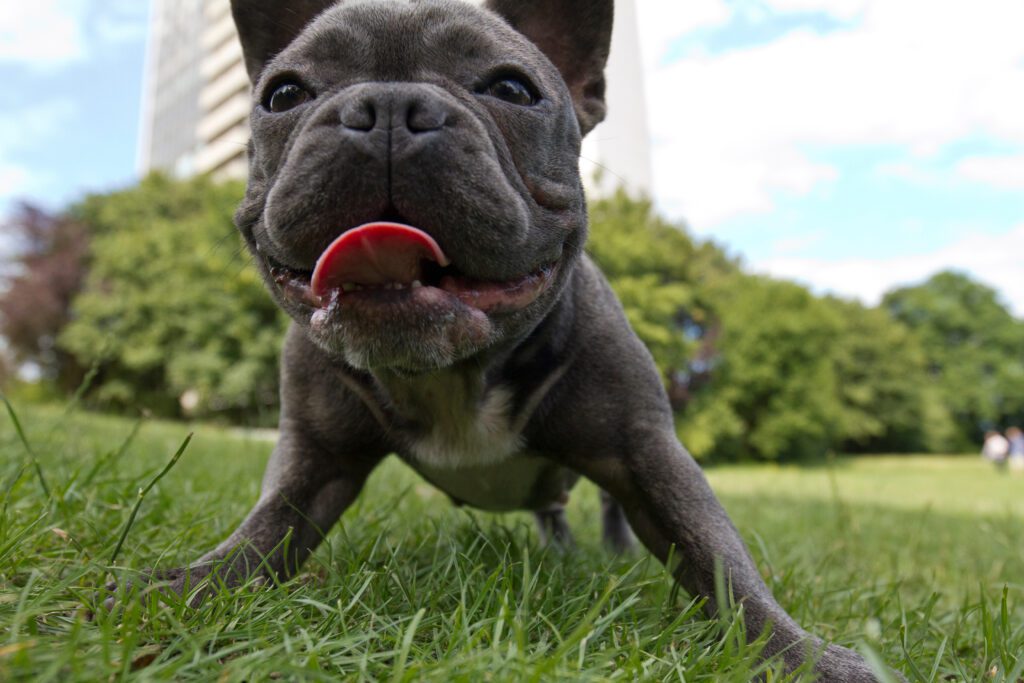
The ideal adopter enjoys short walks, close companionship, and quiet indoor time. A good match can provide air conditioning, a safe place to rest, a steady routine, and a budget for quality food and veterinary care. A Blue French Bulldog does best with patient training, gentle exercise, and regular skin and ear care to stay comfortable in Louisiana’s climate.
Prepare your home, learn the breed’s needs, and take time to meet dogs thoughtfully. When you are ready to adopt a Blue French Bulldog in Louisiana, browse listings through Dog Academy, review the checklists, and move at a pace that puts the dog’s well-being first. Careful planning turns a good adoption into a great lifelong match.
Introducing a new puppy to your current dog is often an exciting process, and many dogs will become fast friends and eas...
Read More
Rescue dogs can make great companions and can transform your home into something better. These dogs make great pets and ...
Read More
You should never rush to pet a dog. Even dog owners make the mistake of approaching unfamiliar dogs and petting them rig...
Read More
Puppy mill dogs are survivors who have endured extreme hardships in their lives. They have grown up in horrendous, unsan...
Read More
With their wagging tails and comforting presence, adopting a dog can add a unique touch to your life. It’s a heart...
Read More
Older dogs may have a few gray hairs around the edges, but that doesn’t mean they can’t make wonderful companions! T...
Read More