















































































































































Introducing a new puppy to your current dog is often an exciting process, and many dogs will become fast friends and eas...
Read More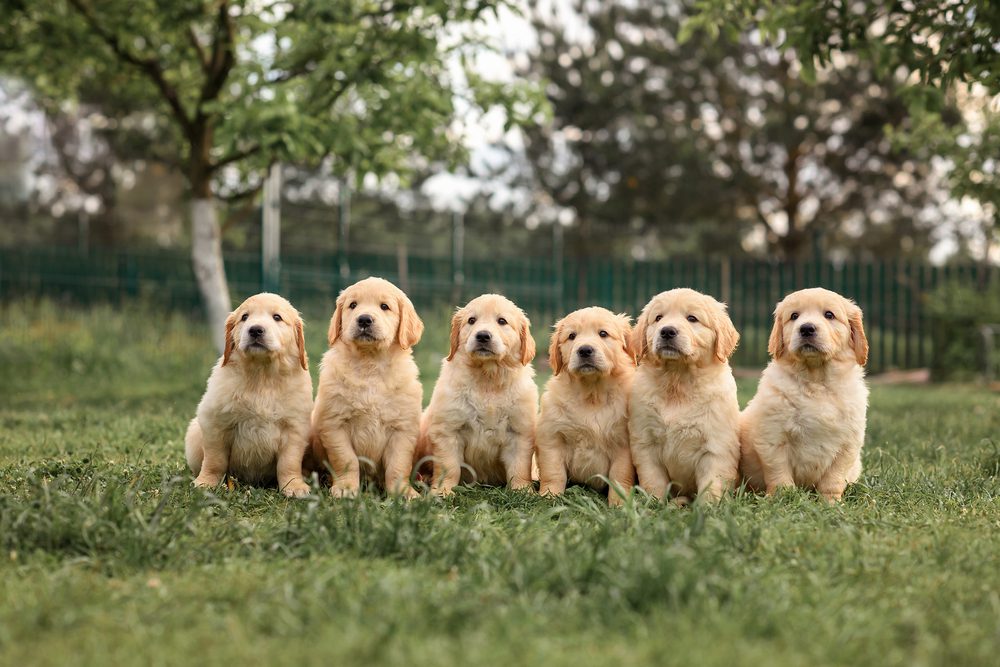
How to Introduce a New Puppy to Your Dog

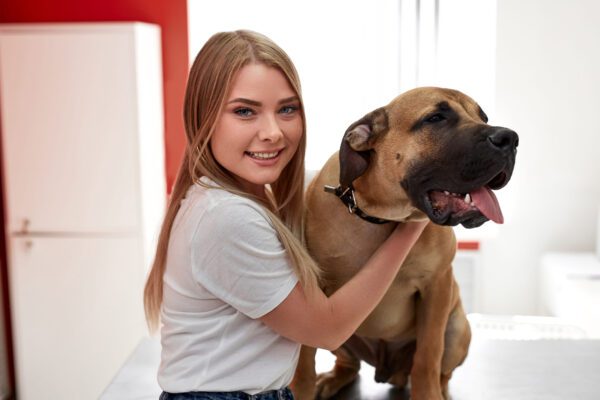
The Tosa Inu is a calm, powerful, and deeply loyal companion that bonds closely with family. This breed tends to be quiet indoors, steady under pressure, and reserved with strangers. A Tosa Inu thrives with clear structure, gentle guidance, and steady socialization that builds neutrality in busy environments.
Research matters before you adopt, because a Tosa Inu’s strength and guarding tendencies require thoughtful handling. Adoption is often preferable to buying because you give a dog a second chance, you support ethical rescue work, and you often receive a dog that already received essential veterinary care. Louisiana’s heat and humidity can challenge large breeds, so you must plan shaded walks, plentiful water, and indoor cooling. Mosquitoes are common across the state, which makes year-round heartworm prevention essential.
Louisiana’s mix of urban neighborhoods, suburban communities, and rural properties offers options for this breed. A home with a secure fence helps a Tosa Inu relax and move safely. City living is possible with strong leash skills and daily mental enrichment. Rural life suits the breed’s calm nature, but you still need supervision around wildlife and livestock. Storm season adds another consideration, so an evacuation plan that accounts for a large dog is wise.
You can avoid searching for shelters and rescues separately by browsing Dog Academy, where adoption listings gather opportunities in one place. You can also use Dog Academy checklists and guides to prepare your home, plan introductions, and organize supplies. This saves time while you focus on finding the right match.
Begin by browsing listings for local animal shelters, regional rescues, and breed-specific rescue groups. Tosa Inus are rare, so you may need to search statewide and consider nearby regions. Some rescues arrange transport to move dogs between locations when a good match appears, and transport is often coordinated by volunteers or licensed carriers with scheduled handoffs. Read each listing carefully and confirm temperament notes, size, age, and any medical updates.
Submit an application that explains your experience, your schedule, and your housing rules. Many groups request landlord approval letters, veterinary references, and a plan for training and socialization. After your application review, you can schedule meet-and-greets. These meetings often include dog-to-dog introductions if you have resident pets, child introductions with supervision, and a calm walk to observe leash manners. Some organizations complete home checks through virtual video tours, while others visit in person to confirm safe fencing and secure storage for food and medications.
Approval timelines vary by organization and by dog. A straightforward adoption can finalize in 1 to 3 weeks. Timelines extend if the dog needs medical care, if you need to complete training homework, or if transport must be scheduled. Communicate quickly, ask clear questions, and be flexible with scheduling to keep your application moving.

|
How Much Does It Cost to Adopt a Tosa Inu in Louisiana?Expect most Tosa Inu adoptions in Louisiana to cost between $250 and $500. The final fee depends on age, training history, recent medical care, and local demand for large guardian breeds. Rare breeds sometimes fall on the higher end when organizations invest in behavior assessments or extended care. Adoption fees usually include spaying or neutering, vaccinations, microchipping, and veterinary exams. Fees can increase if the dog recently received specialized treatment or training. Transport arranged by a rescue to move a dog to Louisiana can add a separate charge that often reflects fuel, routing, and caregiver time. Ask for an itemized summary so you understand exactly what the fee covers. |
How Should I Train a Tosa Inu?The Tosa Inu is intelligent and thoughtful, and it responds best to calm leadership and consistent routines. Positive reinforcement builds trust and clarity for this sensitive breed. Reward-based training helps you shape reliable obedience, impulse control, and polite manners without creating conflict. Harsh corrections can damage confidence and increase reactivity, which makes them poor choices for this breed. Early socialization matters for a Tosa Inu, and the goal is steady neutrality rather than nonstop interaction. Practice exposure to people, dogs at a distance, and varied environments while you reward relaxed behavior. Focus on foundation skills like name recognition, loose-leash walking, sit-stay, down-stay, recall, and place. Add impulse control games like waiting at doors and settling on a mat. Teach cooperative care, including gentle muzzle conditioning, nail care, and handling for veterinary visits, because this breed is large and strong. For structured guidance you can follow at home, explore Dog Academy’s online training courses. You can build a custom plan that covers obedience, leash skills, and controlled socialization tailored to a powerful guardian breed. Consistency, short sessions, and clear criteria will help your Tosa Inu succeed. |

|
A Tosa Inu fits best with an owner who has experience with large breeds, who enjoys daily training, and who can maintain a calm routine. A secure yard, a plan for careful introductions, and a commitment to socialization set the foundation for success. Preparation matters, which includes budgeting for preventive care, training support, and high-quality nutrition.
Take your time, ask detailed questions, and choose a dog whose temperament matches your lifestyle. When you feel ready, start your search through Dog Academy, review training resources, and move at a steady pace. The right Tosa Inu is out there, and a thoughtful process will help you welcome a confident companion into your Louisiana home.
Introducing a new puppy to your current dog is often an exciting process, and many dogs will become fast friends and eas...
Read More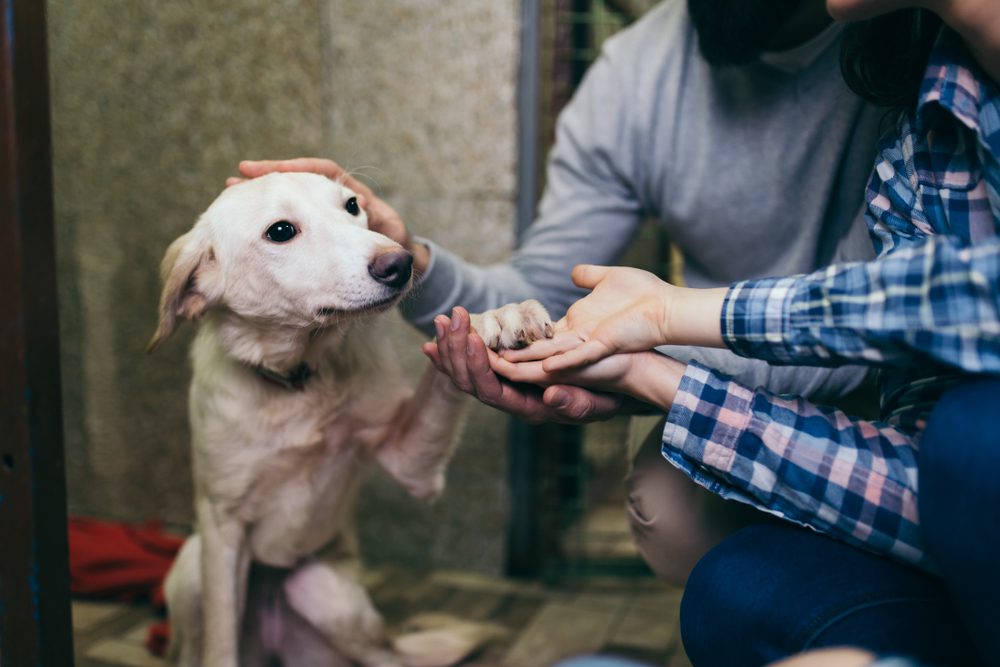
Rescue dogs can make great companions and can transform your home into something better. These dogs make great pets and ...
Read More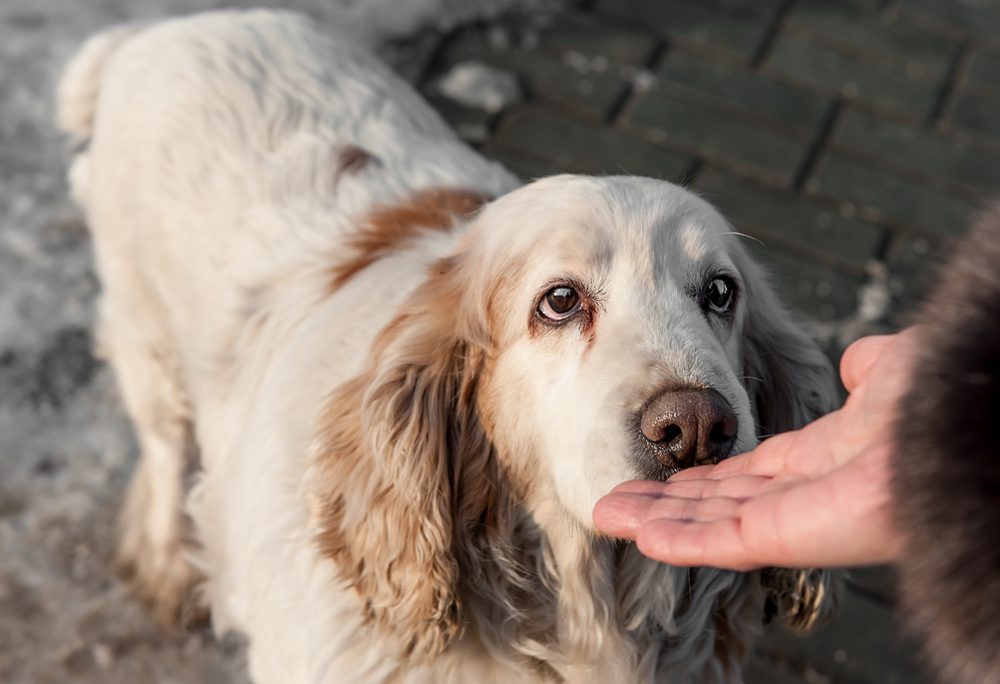
You should never rush to pet a dog. Even dog owners make the mistake of approaching unfamiliar dogs and petting them rig...
Read More
Puppy mill dogs are survivors who have endured extreme hardships in their lives. They have grown up in horrendous, unsan...
Read More
With their wagging tails and comforting presence, adopting a dog can add a unique touch to your life. It’s a heart...
Read More
Older dogs may have a few gray hairs around the edges, but that doesn’t mean they can’t make wonderful companions! T...
Read More