Labradoodle Puppies for Sale


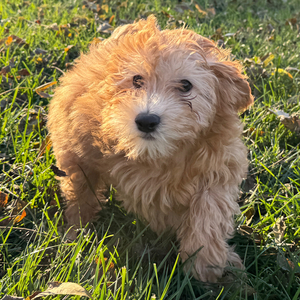
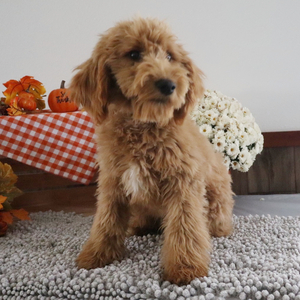
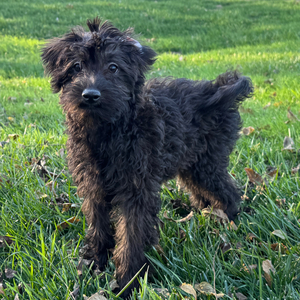
Looking for Labradoodle puppies for sale in San Francisco? Dog Academy makes the search easier by bringing continually updated Labradoodle puppy listings into one place. You can compare available puppies in San Francisco without jumping between multiple sites.
This guide explains how to buy a Labradoodle puppy in San Francisco, what to ask breeders, and how to prepare for life with a bright, active puppy in the city. You’ll also find advice on early training, grooming, exercise, and puppy-friendly outings.
How to Find Labradoodle Puppies in San Francisco to Buy
The easiest way to find Labradoodle puppies for sale in San Francisco is to start with Dog Academy’s continually updated local listings. Review puppy details, compare ages and coat types, and contact breeders in San Francisco directly about health records, temperament, socialization, and purchase arrangements.
Use the Dog Academy listings as your starting point. Before you buy a Labradoodle puppy in San Francisco, ask about the puppy’s daily routine, exposure to household sounds, veterinary care, vaccinations, and transition plan. Clear answers make the next step easier.
How to Find a Good Labradoodle Breeder in San Francisco

A responsible Labradoodle breeder should explain how puppies are raised and should welcome detailed questions. Ask to review health records for the parents and puppy. Important screening areas can include hips, elbows, eyes, and inherited conditions such as progressive retinal atrophy. Since Labradoodle size and coat can vary, ask what you can realistically expect as the puppy matures in a San Francisco home.
Ask how the litter experiences grooming, crate time, handling, visitors, household noise, and short separations. A good breeder should discuss the puppy’s personality honestly, including energy level and any concerns. Avoid rushing because a puppy looks cute in a photo. A thoughtful conversation helps you find a better fit for your apartment, house, family, and schedule.
Why Should You Buy a Labradoodle Puppy in San Francisco?
Labradoodles can suit San Francisco families who want an affectionate, trainable companion with energy for neighborhood walks and weekend adventures. Their social nature often fits households with children and other pets when introductions are gradual and supervised. The city’s moderate coastal climate can also support regular outdoor activity, although fog, rain, and steep streets require sensible planning for a young puppy.
There are downsides. Labradoodles need daily interaction, exercise, and mental work. A bored puppy may bark, chew, or invent games in a compact apartment. Their coats also need consistent brushing and professional grooming, and no coat guarantees a completely allergy-free experience. Start with short walks, food puzzles, grooming practice, and a reliable routine. Check San Francisco housing rules before bringing home a puppy, especially if your lease has size or pet restrictions. With preparation, many city households can give a Labradoodle puppy an excellent start.
How to Train Your New Labradoodle Puppy in San Francisco
Begin training as soon as your Labradoodle puppy comes home. Focus on name recognition, potty routines, crate comfort, polite greetings, leash skills, and calm behavior around elevators, traffic, bikes, and busy sidewalks. San Francisco provides plenty of real-world distractions, so practice gradually. Keep sessions short and reward the behavior you want with treats, play, or praise.
Labradoodles are usually eager to learn, but they can become overexcited when training lacks structure. Avoid harsh corrections. Rewards-based training builds trust and helps a puppy make better choices in apartments and public spaces. Dog Academy’s Dog Academy’s online training courses offer self-led support for common puppy goals. In-person training may also be available depending on your location or ZIP code, so check what options fit your San Francisco address.
The Best Places to Bring Your Labradoodle Puppy in San Francisco
Choose outings based on your puppy’s age, vaccination guidance, energy, and confidence. San Francisco’s hills, sidewalks, parks, and changing weather create useful training opportunities when you keep each trip manageable.
- Quiet neighborhood sidewalks: Start with calm blocks before moving into crowded commercial areas. Labradoodle puppies can practice loose-leash walking, checking in, and ignoring food or noise on the pavement.
- Dog parks: A secure dog park can provide exercise and social learning for a confident puppy who is ready for that environment. Avoid overwhelming young puppies with large, rough play, and supervise every interaction.
- Open grassy parks: Parks give a Labradoodle room for sniffing, recall games, and calm observation. Bring a towel for damp grass and monitor your puppy on chilly, foggy days.
- Dog-friendly shops and outdoor patios: These settings help puppies learn to settle near people, carts, doors, and other dogs. Keep early visits brief and reward quiet behavior.
- Hillside walking routes: Gradual inclines can build coordination and confidence, but young joints need protection. Choose shorter routes and avoid repetitive, strenuous climbs while your puppy is growing.
Buying a Labradoodle Puppy in San Francisco: Frequently Asked Questions
These answers cover common decisions for families considering Labradoodle puppies for sale in San Francisco. Keep your puppy’s age, health, home setup, and daily schedule in mind.
How do I buy a Labradoodle puppy in San Francisco?
Start with Dog Academy’s continually updated Labradoodle puppy listings in San Francisco. Compare available puppies, then contact breeders about health testing, veterinary records, temperament, socialization, grooming needs, and purchase arrangements. Choose a breeder who answers clearly and gives you time to make an informed decision.
Are Labradoodles good apartment dogs in San Francisco?
They can be, if you provide daily walks, training, play, and mental enrichment. A Labradoodle puppy may adapt well to an apartment, but limited space does not reduce the breed’s need for activity. Practice quiet behavior around neighbors and plan regular outdoor breaks.
How much grooming does a Labradoodle puppy need?
Begin gentle brushing and handling early so grooming becomes normal. Coat type varies, but many Labradoodles need frequent brushing to reduce mats and regular professional grooming. Ask the breeder about the parents’ coats and start budgeting for grooming in your San Francisco routine.
Can Labradoodle puppies handle San Francisco weather?
Most can enjoy San Francisco’s moderate climate with sensible care. Protect a young puppy from prolonged cold, wet, or windy outings, and dry the coat after rainy walks. During warmer weather, exercise during cooler parts of the day and provide water and shade.
Are Labradoodles good with children and other pets?
Many are friendly and playful, but individual temperament matters. Teach children to handle puppies gently, provide a quiet resting area, and supervise every interaction. Introduce cats and other dogs slowly, especially in the tighter spaces common in San Francisco homes.
What health questions should I ask before buying?
Ask for veterinary records, vaccination details, deworming information, and health screening results for the parents. Discuss hip, elbow, eye, and inherited disease testing. Also ask about the puppy’s appetite, stool, sleep, behavior, and any recommended follow-up with a San Francisco veterinarian.
When should Labradoodle puppy training begin?
Begin simple training immediately after your puppy arrives. Use rewards for name recognition, potty habits, handling, crate comfort, and calm leash walking. Online Dog Academy courses can provide a structured starting point, while in-person support may be available based on your location or ZIP code.