Boston Terrier Puppies for Sale

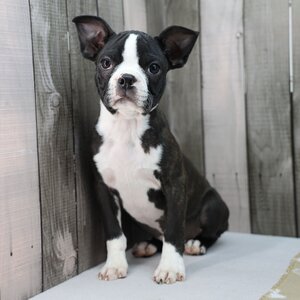
Looking for Boston Terrier puppies for sale in Boston? The easiest way to start is with this Dog Academy guide, where continually updated Boston Terrier puppy listings are gathered in one place. You can compare available puppies in Boston and begin asking the right questions before bringing one home.
This guide covers how to buy a Boston Terrier puppy in Boston, what to ask a breeder, how to prepare a city home, and how to start training during those important first months. A Boston Terrier can be a lively, affectionate companion for Boston apartment dwellers and families when its health, exercise, and social needs are taken seriously.
How to Find Boston Terrier Puppies in Boston to Buy
When searching for Boston Terrier puppies for sale in Boston, start by comparing puppies based on health records, temperament, early socialization, and the breeder’s communication. Dog Academy makes this easier by bringing continually updated Boston Terrier puppy listings in Boston into one place. You won’t need to jump between multiple sources while beginning your search.
Use Dog Academy to review available listings, then contact breeders in Boston with practical questions. Ask about veterinary examinations, vaccinations, deworming, parent health testing, feeding routines, and purchase arrangements. A clear conversation early on can prevent hard surprises later, and that gives both you and the puppy a better start.
How to Find a Good Boston Terrier Breeder in Boston

A responsible Boston Terrier breeder should be willing to discuss the breed’s known concerns, including breathing difficulty, eye disease, patellar problems, and sensitivity to heat. Ask whether the parents have received appropriate eye and patella evaluations, BAER hearing testing, and relevant genetic screening. You should also ask to see veterinary records and learn how the puppies are raised in the Boston home or facility.
Good early socialization matters. Ask whether the puppies have experienced gentle handling, household sounds, different surfaces, short periods alone, and age-appropriate play. A thoughtful breeder should ask you questions too, especially about your schedule, children, other pets, and Boston housing situation. That level of care is encouraging because it shows the puppy’s future matters beyond the sale.
Why Should You Buy a Boston Terrier Puppy in Boston?
Boston Terriers are compact, people-focused, and often well suited to city living. Their short coats need limited grooming, and many enjoy a mix of indoor companionship, short walks, and playful training. In a Boston apartment, a puppy can thrive with regular toilet breaks, food puzzles, and calm daily routines. Their expressive faces and bright personalities can bring a surprising amount of life to a small home.
There are tradeoffs. Boston winters can make icy sidewalks and cold snaps uncomfortable for a short-coated puppy, while humid summer weather can increase the risk of overheating. Keep winter walks brief when conditions are harsh, and exercise during cooler hours in warm weather. Avoid intense running, crowded hot pavement, and poorly ventilated spaces. Boston Terriers can also be excitable around children and other pets, so close supervision and gradual introductions are essential. With patient structure, they often become affectionate family companions and cheerful neighbors.
How to Train Your New Boston Terrier Puppy in Boston
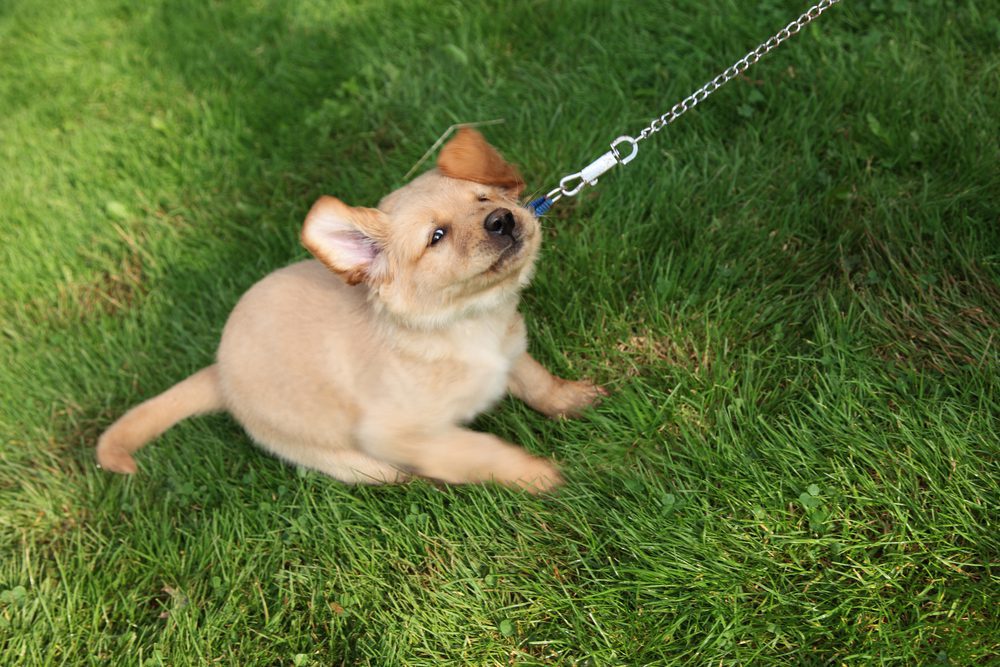
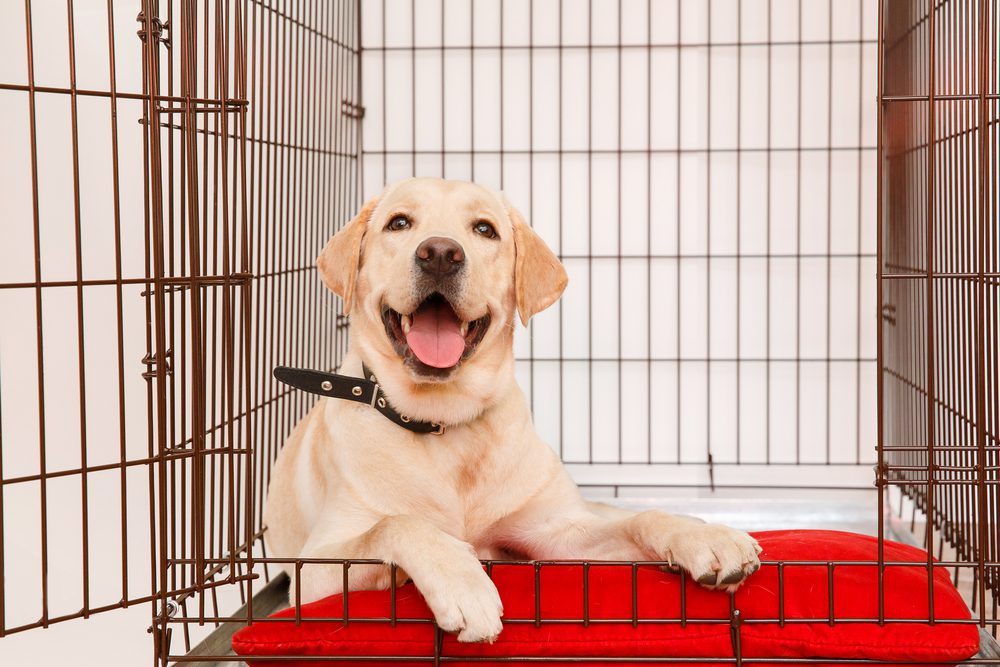
Start training as soon as your Boston Terrier puppy arrives. Focus first on name recognition, toilet habits, gentle handling, crate comfort, leash skills, and settling on a mat. Boston Terriers are clever but can lose interest when lessons drag on. Use tiny treats, upbeat praise, and sessions lasting only a few minutes. Practice in quiet rooms before working around Boston’s traffic, bicycles, elevators, and busy sidewalks.
Rewards-based training suits this sensitive, playful breed far better than harsh corrections. A puppy that learns calm behavior can enjoy city life without turning every hallway noise into an event. Dog Academy offers Dog Academy’s online training courses for self-led support. In-person training may also be available depending on your location or ZIP code, so it’s worth checking what options fit your Boston home.
The Best Places to Bring Your Boston Terrier Puppy in Boston
Boston offers many ways to build a puppy’s confidence, but young Boston Terriers need gradual exposure and plenty of rest. Choose clean, manageable outings and watch closely for signs of fatigue, stress, or overheating.
- Quiet neighborhood sidewalks: Short walks help your puppy learn loose-leash skills around Boston sounds, doorways, buses, and changing surfaces. Choose calmer blocks at first and keep the pace relaxed.
- Fenced dog parks: A secure dog park can be useful later, once your veterinarian approves broader public exposure and your puppy has reliable recall foundations. Select quieter hours and avoid rough play with much larger dogs.
- Boston walking paths and green spaces: Gentle routes through local green areas provide new smells and sights without requiring strenuous exercise. Bring water, take shade breaks, and avoid hot pavement in summer.
- Dog-friendly shops and outdoor patios: Brief visits can teach your puppy to settle near people, carts, and ordinary city activity. Keep the first outings short and reward calm behavior.
- Indoor enrichment at home: On icy, wet, or very hot Boston days, use cardboard puzzles, scent games, trick training, and supervised play indoors. Mental work can tire a puppy without stressing its breathing.
Buying a Boston Terrier Puppy in Boston: Frequently Asked Questions
These answers can help you make a steadier decision when comparing Boston Terrier puppies in Boston. Keep your puppy’s health, temperament, and ability to handle city life at the center of the process.
How do I buy a Boston Terrier puppy in Boston?
Start by reviewing the continually updated Boston Terrier puppy listings on Dog Academy. Compare puppies in Boston, then contact breeders to ask about health testing, veterinary records, socialization, parent temperament, and purchase arrangements. Choose a breeder who answers clearly and is willing to discuss the breed’s health needs.
What health questions should I ask about a Boston Terrier puppy?
Ask for vaccination and deworming records, a recent veterinary examination, and details about the parents’ eye, patella, hearing, and genetic testing. Ask whether the puppy has shown noisy breathing, exercise intolerance, or difficulty eating. These questions are especially important when planning a lifetime in Boston’s humid summers.
Are Boston Terriers good for Boston apartments?
They can be a good fit because they are compact and usually enjoy being close to their people. An apartment puppy still needs toilet breaks, daily play, training, and safe socialization. Check your building’s pet rules, weight limits, and breed policies before you buy a Boston Terrier puppy in Boston.
How much exercise does a Boston Terrier puppy need in Boston?
Young puppies need several short activity periods rather than long walks or distance running. Combine gentle walks with play, sniffing, and training. In Boston, avoid hot pavement and humid midday weather, and shorten outings during severe cold or icy conditions.
Can a Boston Terrier puppy live with children or other pets?
Often, yes, when introductions are gradual and adults supervise every interaction. Teach children to let the puppy sleep and eat undisturbed. Use gates and separate spaces with other pets, then reward calm behavior. A puppy should never be expected to tolerate grabbing, chasing, or rough play.
Where can I train my Boston Terrier puppy in Boston?
You can begin with Dog Academy’s online training courses and practice at home, in quiet hallways, and on calm Boston sidewalks. In-person training may also be available depending on your location or ZIP code. Check current options and choose a trainer who uses rewards-based methods suited to a sensitive, energetic puppy.