Rottweiler Puppies for Sale
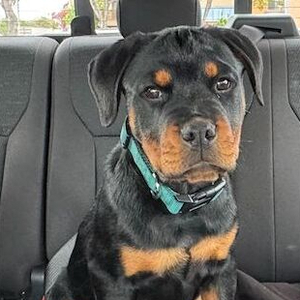
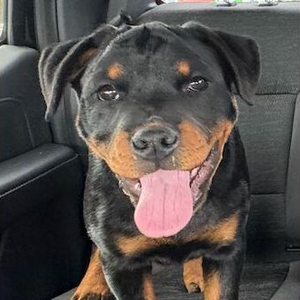
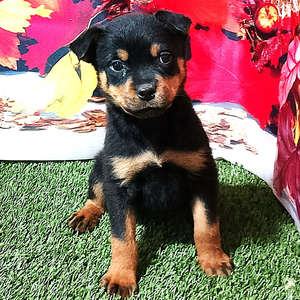
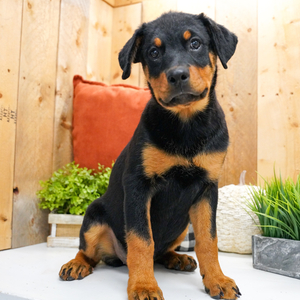
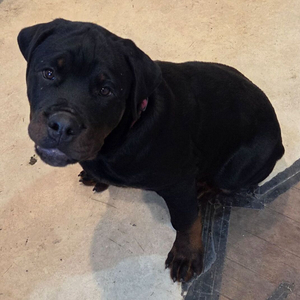
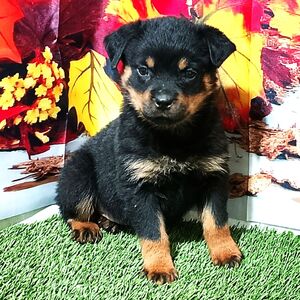
Looking for Rottweiler puppies for sale in Norfolk? Dog Academy makes the search easier by gathering continually updated Rottweiler puppy listings in Norfolk in one place. You can compare available puppies, review important details, and prepare for the conversations that matter before bringing one home.
This guide explains how to buy a Rottweiler puppy in Norfolk, what to ask a breeder, and how to raise a confident puppy in a busy coastal city. You’ll also find practical advice on training, exercise, weather, puppy-proofing, and local outings.
How to Find Rottweiler Puppies in Norfolk to Buy
The easiest way to find Rottweiler puppies for sale in Norfolk is to start with Dog Academy’s continually updated local listings. Seeing puppies in one place saves time and makes comparison easier. Look at each puppy’s age, sex, location, parent information, health details, and current socialization.
When you contact a breeder in Norfolk, ask how the puppies are raised around people, household sounds, handling, and other dogs. Ask about vaccination records, deworming, microchipping, purchase arrangements, and the care plan after pickup. The Dog Academy puppy listings give you a practical starting point for making those conversations more organized.
How to Find a Good Rottweiler Breeder in Norfolk

A responsible Rottweiler breeder should welcome detailed questions. Ask to see the puppy’s living area and meet the mother when possible. The breeder should explain the parents’ temperament and provide records for recommended health evaluations, including hips, elbows, eyes, heart, and relevant genetic risks such as juvenile laryngeal paralysis and polyneuropathy.
Pay attention to behavior. Healthy Rottweiler puppies in Norfolk should be alert, curious, and able to recover after a mild surprise. Avoid pressure to make a rushed decision. A good breeder should discuss the breed’s size, guarding instincts, exercise needs, and adult responsibilities clearly. Ask for a written contract and a return policy before you buy.
Why Should You Buy a Rottweiler Puppy in Norfolk?
Rottweilers can fit active Norfolk households that want a loyal, trainable companion. They often enjoy structured walks, scent games, obedience practice, and time with their family. Norfolk’s coastal setting offers many opportunities for controlled outdoor enrichment, including neighborhood walks, open green spaces, and dog-friendly areas where your puppy can learn calm public behavior.
This breed is powerful and matures into a large dog. A Rottweiler puppy needs early socialization, daily guidance, and secure fencing. Young children should always interact with the puppy under close supervision because rough play can quickly become unsafe. Some Rottweilers are selective with other dogs, so careful introductions matter. Norfolk’s warm, humid summers also call for early-morning exercise, shade, water, and shorter outdoor sessions during heat. With consistent boundaries and thoughtful planning, the breed can be an excellent family fit.
Apartment living can work if you provide several short activity sessions and prevent boredom. A house does not replace training, and a yard does not replace walks. Check your lease, homeowners association rules, and insurance requirements before you buy a Rottweiler puppy in Norfolk. These steps help you start with realistic expectations.
How to Train Your New Rottweiler Puppy in Norfolk
Begin training on the first day. Teach your Rottweiler puppy to respond to its name, settle on a mat, walk beside you, accept handling, and trade objects for treats. Use short sessions with food, praise, toys, and calm repetition. Rewards-based training suits this intelligent breed because it builds cooperation without creating fear or defensive behavior.
Norfolk puppies should gradually experience traffic sounds, visitors, elevators, grooming tools, veterinary handling, and different walking surfaces. Keep exposure positive and controlled. Avoid crowded dog areas until your veterinarian confirms your puppy’s vaccination plan. For flexible guidance at home, explore Dog Academy’s online training courses. In-person training may also be available depending on your location or ZIP code, so check what options apply to your Norfolk address.
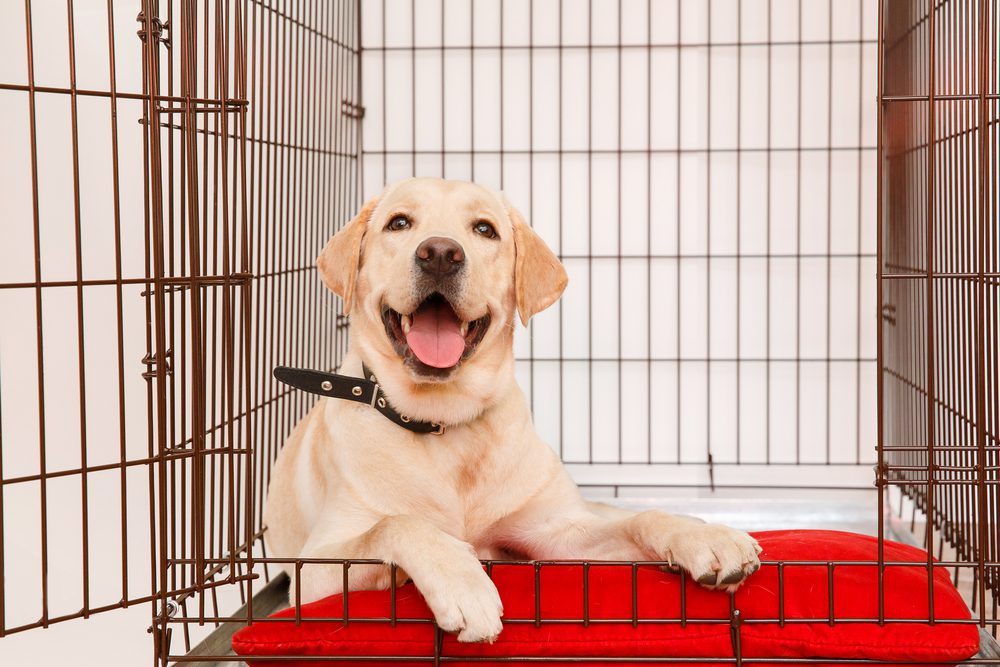
Give your puppy a safe crate or pen, chew toys, and a predictable bathroom routine. Rottweilers grow quickly, but their bones and joints are still developing. Avoid forced running, repeated jumping, and long stair sessions while your puppy is young. Mental work keeps this breed satisfied without overloading growing joints.
The Best Places to Bring Your Rottweiler Puppy in Norfolk
Choose outings based on your puppy’s age, vaccination guidance, confidence, and ability to stay calm. Norfolk offers a mix of urban, waterfront, and green-space experiences that can support careful socialization.
- Quiet neighborhood sidewalks: Start with short walks in residential areas of Norfolk. They help your puppy practice loose-leash walking, bicycles, passing cars, and polite greetings without the intensity of a busy public venue.
- Dog parks: Use dog parks only after your veterinarian approves public dog contact. A young Rottweiler may benefit more from watching calm dogs at a distance than from unrestricted group play. Choose quieter times and leave if play becomes rough.
- Waterfront walking areas: Norfolk’s waterfront environment creates useful training opportunities around sounds, breezes, people, and changing surfaces. Keep your puppy leashed, provide shade and water, and avoid hot pavement during summer afternoons.
- Greenways and local trails: Short, shaded trail walks can provide safe sniffing and environmental enrichment. Watch for heat, standing water, wildlife, and slippery ground. Build distance gradually as your puppy matures.
- Dog-friendly shops and patios: Once your puppy can settle, brief visits can teach calm behavior around strangers and movement. Bring treats, avoid crowded periods, and never force interaction.
Buying a Rottweiler Puppy in Norfolk: Frequently Asked Questions
These answers address common questions from Norfolk families preparing for a Rottweiler puppy. Good preparation makes the first months safer and more manageable.
How much exercise does a Rottweiler puppy in Norfolk need?
Young Rottweilers need several short activity sessions, training games, and supervised play rather than long forced walks. In Norfolk’s warm, humid weather, exercise during cooler morning or evening hours. Stop for heavy panting, weakness, or reluctance to continue.
What should I ask before buying a Rottweiler puppy in Norfolk?
Ask about parent health testing, temperament, veterinary records, socialization, diet, deworming, vaccinations, microchipping, the contract, and the breeder’s return policy. Ask how the puppy handles grooming, crate time, household sounds, and brief separation.
Are Rottweiler puppies good with children?
They can be devoted family dogs when carefully bred, socialized, and trained. Their size and strength require active supervision around children. Teach children not to climb on, chase, disturb, or take food from the puppy.
Can I raise a Rottweiler puppy in a Norfolk apartment?
Yes, if you provide frequent bathroom breaks, daily training, structured walks, and safe mental enrichment. Confirm your lease, building rules, insurance requirements, and any current local restrictions before bringing the puppy home.
How do I protect my Rottweiler puppy from Norfolk’s summer heat?
Provide constant access to fresh water and a cool indoor space. Walk on shaded routes and check pavement with your hand before leaving. Never leave a puppy in a parked vehicle. A cooling mat and short outdoor sessions can make summer routines safer.
Where can I find Rottweiler puppies for sale in Norfolk?
Dog Academy brings continually updated Rottweiler puppy listings in Norfolk together in one place. Use the listings to compare puppies and prepare focused questions about health, temperament, socialization, and purchase arrangements.
When should Norfolk families start training a Rottweiler puppy?
Start with simple routines as soon as the puppy arrives. Focus on name recognition, bathroom habits, crate comfort, handling, gentle leash skills, and calm greetings. Continue with rewards-based lessons as your puppy grows and gains confidence.