Pomeranian Puppies for Sale
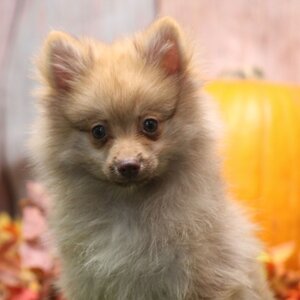
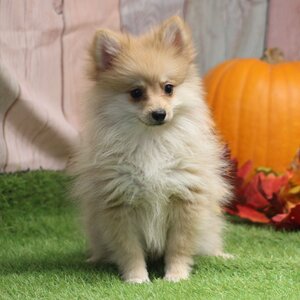
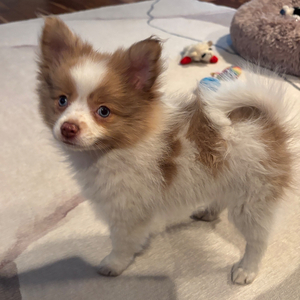
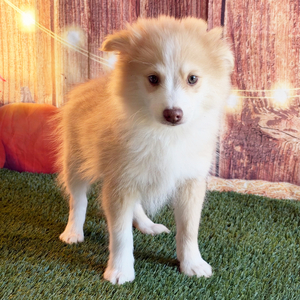
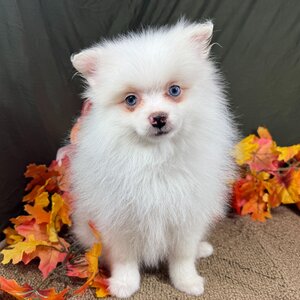
Looking for Pomeranian puppies for sale in Pittsburgh? The easiest way to begin is with this Dog Academy guide, which gathers continually updated Pomeranian puppy listings in 1 place. You can compare available puppies in Pittsburgh while thinking through health, temperament, grooming, and your home routine.
This guide explains how to buy a Pomeranian puppy in Pittsburgh, what to ask a breeder, and how to prepare for a tiny dog with a surprisingly large personality. It also covers puppy training, Pittsburgh weather, local outings, and practical care.
How to Find Pomeranian Puppies in Pittsburgh to Buy
Dog Academy makes it easier to find Pomeranian puppies for sale in Pittsburgh by bringing continually updated listings together. Instead of searching across many websites, you can review puppies in Pittsburgh in 1 place and compare details that matter, such as age, sex, coat color, temperament, and availability.
Use the listings to contact breeders in Pittsburgh and ask focused questions. Find out which health checks have been completed, how the puppies are being socialized, what food they eat, and how they respond to handling, household sounds, children, and other dogs. The Dog Academy puppy listings provide a straightforward starting point for your search.
How to Find a Good Pomeranian Breeder in Pittsburgh

A responsible Pomeranian breeder should welcome detailed questions and provide clear records for veterinary examinations, vaccinations, parasite prevention, and parent health testing. Ask whether the puppies have been raised around normal household activity. Pittsburgh homes can range from compact apartments to busy family houses, so early exposure to vacuum cleaners, visitors, stairs, and city sounds is valuable.
Ask to see where the puppies are raised, meet the mother if possible, and discuss the puppy’s daily routine. A good breeder should explain feeding, grooming, expected adult size, and any breed-specific concerns. Be cautious if someone pressures you to pay quickly, avoids health questions, or cannot explain how the puppies have been socialized. A thoughtful conversation helps you make a confident choice.
Why Should You Buy a Pomeranian Puppy in Pittsburgh?
Pomeranians are small enough for many Pittsburgh apartments, yet lively enough to enjoy short walks through neighborhood streets and green spaces. Their compact size can be helpful in a city with narrow sidewalks, steep hills, and homes where a large dog would feel cramped. They are bright, affectionate, and often deeply interested in everything happening around them.
There are tradeoffs. A Pomeranian puppy may bark at hallway sounds, visitors, delivery activity, or squirrels outside a window. Pittsburgh’s cold winters, wet spring weather, humid summers, and icy surfaces also call for shorter outdoor sessions and indoor enrichment. A warm coat, paw checks, puzzle toys, and brief training games can make city life comfortable. The breed suits attentive owners, older children, and households ready for regular grooming and gentle supervision around other pets.
How to Train Your New Pomeranian Puppy in Pittsburgh
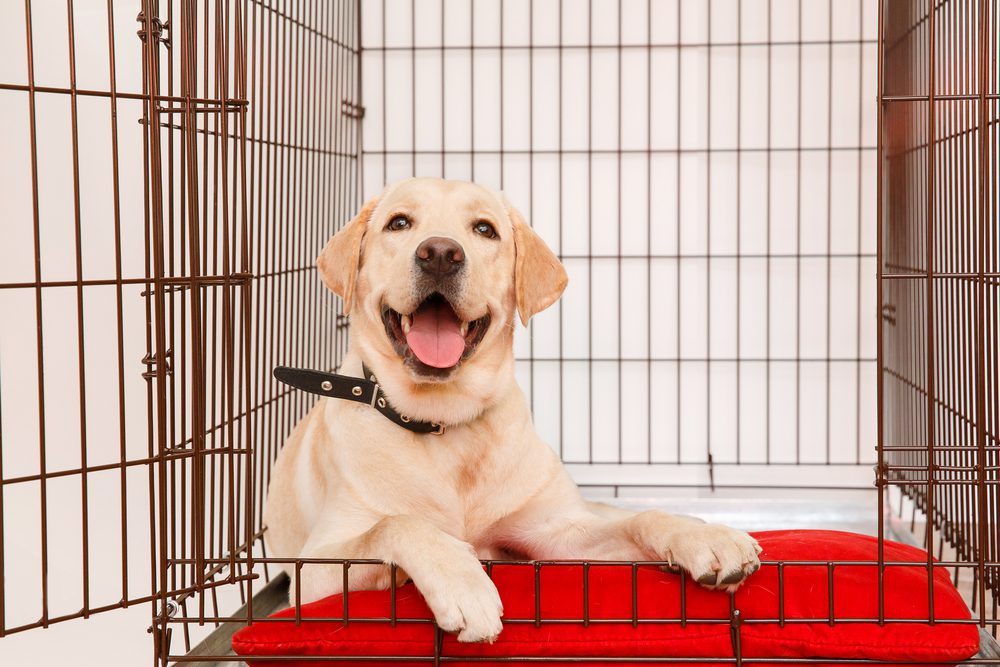
Start training as soon as your Pomeranian puppy arrives in Pittsburgh. Focus first on name recognition, calm handling, house training, crate comfort, leash skills, and settling on a mat. Pomeranians learn quickly, but that intelligence can become creative mischief if the puppy has no clear job. In an apartment, reward quiet behavior when neighbors pass the door. In a house, practice coming away from windows and fenced areas.
Use tiny treats, cheerful praise, and short sessions. Harsh corrections can increase fear and barking, while rewards-based training gives this alert little dog useful ways to succeed. Dog Academy’s online training courses offer self-led support for puppy foundations. In-person training may also be available depending on your location or ZIP code, so it is worth checking what options fit your Pittsburgh routine.
The Best Places to Bring Your Pomeranian Puppy in Pittsburgh
A young Pomeranian does not need marathon exercise. Pittsburgh’s varied terrain makes short, positive outings especially useful while a puppy builds coordination and confidence. Choose clean, manageable environments and follow your veterinarian’s advice about public spaces during the vaccination period.
- Neighborhood sidewalks and quieter residential blocks: These are useful for leash practice, attention games, and calm exposure to Pittsburgh traffic. Avoid long sessions on hot pavement or icy ground.
- Dog parks with separate small-dog areas: A secure small-dog section can offer controlled play once your puppy is ready. Watch body language closely because a Pomeranian is tiny, and even friendly large-dog play can be overwhelming.
- Paved urban trails and gentle greenway paths: These provide new smells without demanding a long hike over Pittsburgh’s hills. Keep the first visits brief and reward your puppy for checking in.
- Pet-friendly shops and outdoor café areas: These settings can teach polite settling around people, carts, doors, and food smells. Bring a mat and leave before your puppy becomes tired or overstimulated.
Buying a Pomeranian Puppy in Pittsburgh: Frequently Asked Questions
These answers address common questions about buying and raising a Pomeranian puppy in Pittsburgh. A little preparation helps this fluffy, quick-minded breed start city life on the right paw.
How much exercise does a Pomeranian puppy need in Pittsburgh?
A Pomeranian puppy usually benefits from several short activity periods rather than 1 long outing. Combine gentle walks, indoor play, sniffing games, and brief training. During Pittsburgh’s icy winters or humid summers, move more enrichment indoors and protect your puppy’s paws.
Are Pomeranian puppies suitable for Pittsburgh apartments?
Yes, many Pomeranian puppies can thrive in Pittsburgh apartments when they receive daily enrichment and consistent training. Their small size is convenient, but barking can disturb neighbors. Reward quiet behavior, manage window watching, and teach your puppy to settle when hallway sounds occur.
What should I ask when buying a Pomeranian puppy in Pittsburgh?
Ask about veterinary examinations, vaccinations, parasite prevention, parent health testing, socialization, feeding, grooming, and the puppy’s routine. Also ask how the puppy responds to handling, children, household noises, and other dogs. Clear answers help you choose a well-prepared companion.
How can I prepare my Pittsburgh home for a Pomeranian puppy?
Secure gaps, cords, cleaning products, medicines, and small objects that a curious puppy could swallow. Use gates near steep stairs, provide a warm resting area for cold weather, and place non-slip rugs on slick floors. Keep grooming tools and a soft harness ready before your puppy arrives.
Do Pomeranian puppies need professional grooming in Pittsburgh?
Regular brushing helps prevent tangles in a Pomeranian’s dense coat, especially during seasonal shedding. Begin gentle grooming practice during puppyhood. Professional grooming can be useful, but the puppy should still learn calm brushing, paw handling, ear checks, and brief nail care at home.
How can I stop my Pomeranian puppy from barking at Pittsburgh sounds?
Identify the trigger, increase distance or reduce the sound, and reward your puppy for looking at you and staying quiet. Practice with low-volume recordings of traffic, doors, or voices. Avoid shouting, which can sound like joining the alarm. Consistent rewards and a calm retreat area usually work better.
Can Dog Academy help me train a Pomeranian puppy in Pittsburgh?
Yes. Dog Academy offers self-led online training courses for puppy skills, manners, and everyday behavior. In-person training may also be available depending on your location or ZIP code, so check the options that fit your Pittsburgh area and schedule.