Pomeranian Puppies for Sale
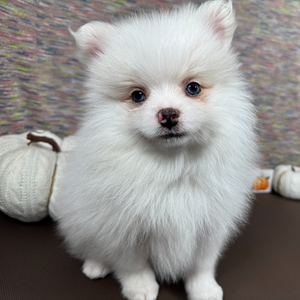
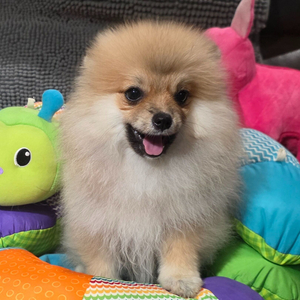
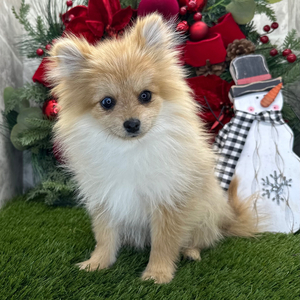
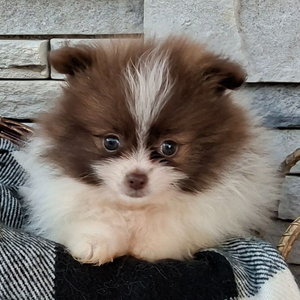
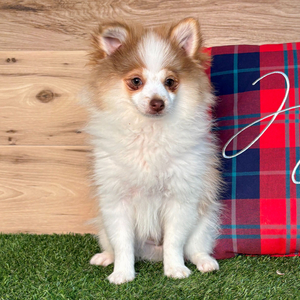
Looking for Pomeranian puppies for sale in Yonkers? Dog Academy makes the search easier by gathering continually updated Pomeranian puppy listings in one place. You can compare available puppies in Yonkers without jumping between many sites.
This guide explains how to buy a Pomeranian puppy in Yonkers, what to ask before purchasing, and how to prepare for life with this small but confident breed. You will also learn about puppy-proofing, early training, grooming, and local routines that suit Yonkers households.
How to Find Pomeranian Puppies in Yonkers to Buy
The easiest way to find Pomeranian puppies for sale in Yonkers is to start with Dog Academy’s listings. Review each puppy’s age, sex, coat, and available information. Then contact the breeder in Yonkers to ask about health records, temperament, socialization, and purchase arrangements.
Ask whether the puppy has received appropriate veterinary care, deworming, vaccinations, and identification. Find out what food the puppy eats and how it handles household sounds, grooming, brief separations, and gentle handling. The Dog Academy puppy listings keep this first step organized and easier to manage.
How to Find a Good Pomeranian Breeder in Yonkers

A responsible Pomeranian breeder should answer questions clearly and provide useful records. Ask about the puppy’s parents, patella health, heart evaluations, eye checks, and any recommended breed testing. Pomeranians can be prone to dental disease, luxating patellas, collapsing trachea, and certain eye or coat problems, so health information matters.
Pay attention to how the puppy is raised in Yonkers. A well-socialized puppy should have exposure to people, normal household noise, grooming, nail handling, and safe surfaces. Ask about the puppy’s daily routine and what support is offered after purchase. Clear answers and complete records are good signs as you compare your options.
Why Should You Buy a Pomeranian Puppy in Yonkers?
A Pomeranian can fit Yonkers life well. This breed is small enough for an apartment and usually needs short, regular activity rather than long-distance exercise. A puppy can enjoy neighborhood walks, indoor play, and brief training sessions. That works for many city households, including owners who want an alert companion with a big personality.
There are challenges. Pomeranians can bark at hallway sounds, visitors, and street activity. Their thick double coat needs frequent brushing, and summer heat requires shade, water, and cooler walking times. Their tiny size also makes them vulnerable around large dogs and young children who play roughly. Use reward-based quiet training, supervise every interaction, and choose calm Yonkers walking routes. With structure, this lively breed can become a confident family companion.
How to Train Your New Pomeranian Puppy in Yonkers
Start training as soon as your Pomeranian puppy comes home. Focus on name recognition, gentle handling, crate comfort, house training, leash skills, and a reliable response to “come.” Keep sessions short because Pomeranians learn quickly but can lose interest when repetition drags. Rewards, praise, and play work better than harsh corrections.
Yonkers puppies may need extra practice with elevators, apartment doors, traffic sounds, guests, and busy sidewalks. Introduce each experience gradually and pair it with treats. Dog Academy’s online training courses provide self-led instruction for daily practice. In-person training may also be available depending on your location or ZIP code, so check what options apply to your household.
The Best Places to Bring Your Pomeranian Puppy in Yonkers
Keep outings short and safe while your puppy builds confidence and completes veterinary-recommended preventive care. Yonkers offers several useful types of places for a Pomeranian, each with a different training benefit.
- Quiet residential sidewalks: These are useful for teaching loose-leash walking and calm observation. Choose low-traffic times and avoid forcing your puppy to greet every passerby.
- Yonkers waterfront walking areas: Waterfront routes can provide new sights, sounds, and smells in manageable doses. Watch for hot pavement, crowded sections, and strong winds around open areas.
- Local parks and paved trails: Short park walks help a Pomeranian explore without requiring strenuous exercise. Keep your puppy close because a small dog can be difficult to spot near bicycles or larger dogs.
- Dog-friendly outdoor shopping areas: These can build polite social skills around people, carts, doors, and changing sounds. Bring treats and leave before your puppy becomes tired or overstimulated.
Buying a Pomeranian Puppy in Yonkers: Frequently Asked Questions
These answers cover common questions about buying and raising a Pomeranian puppy in Yonkers. Use them as a practical checklist before you make a decision.
How can I find Pomeranian puppies for sale in Yonkers?
Use Dog Academy to review continually updated Pomeranian puppy listings in Yonkers in one place. Compare the available information, then contact the breeder directly about health records, temperament, socialization, and purchase arrangements.
How do I know if a Pomeranian puppy is healthy?
Ask for veterinary records and details about vaccinations, deworming, and identification. Ask about parent health evaluations, especially patella, heart, and eye checks. A breeder should also explain the puppy’s eating, sleeping, stool, and activity patterns.
Is a Pomeranian a good apartment dog in Yonkers?
Often, yes. Pomeranians are compact and can exercise through short walks and indoor play. Barking can be difficult in an apartment, so begin quiet training early and give your puppy a predictable routine around hallway and street sounds.
Are Pomeranians good with children and other pets?
They can be, when introductions are controlled. Their small bodies are easy to injure, so supervise children and teach gentle handling. Introduce other pets gradually, use barriers when needed, and never allow rough chasing or unsupervised play.
How much grooming does a Pomeranian puppy need?
Brush the coat several times each week and handle the paws, ears, tail, and mouth gently from puppyhood. Schedule professional grooming when needed, especially during coat changes. Regular tooth care is important because small breeds commonly develop dental problems.
How should I exercise a Pomeranian puppy in Yonkers?
Use several short walks and play sessions instead of long or intense outings. Avoid hot pavement during summer and protect your puppy from cold, wet conditions in winter. Let your veterinarian guide activity as your puppy grows.
What should I train first after buying a Pomeranian puppy in Yonkers?
Start with the puppy’s name, house training, crate comfort, gentle handling, leash skills, and calm greetings. Practice around realistic Yonkers sounds such as doors, traffic, visitors, and sidewalks. Short reward-based sessions build reliable habits without overwhelming your puppy.