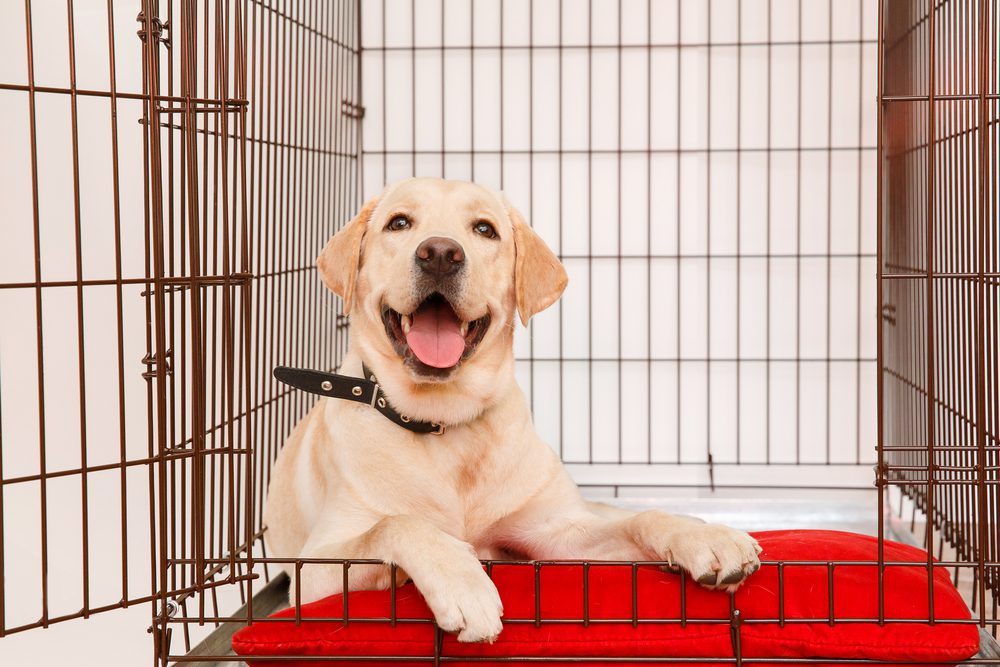
Labradoodle Puppies for Sale
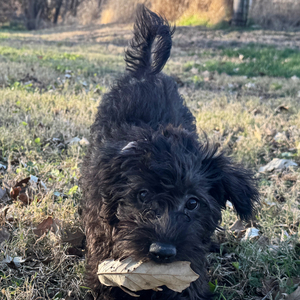

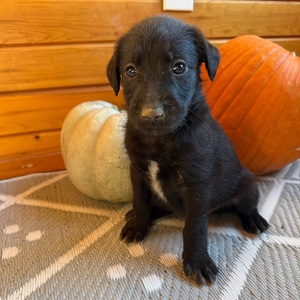
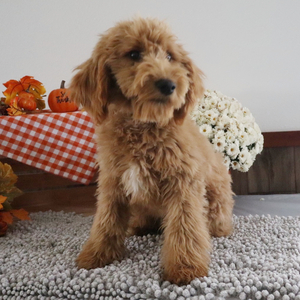
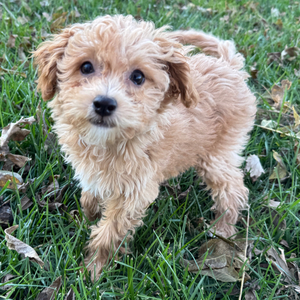
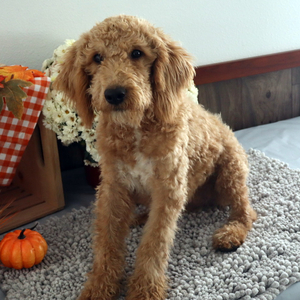
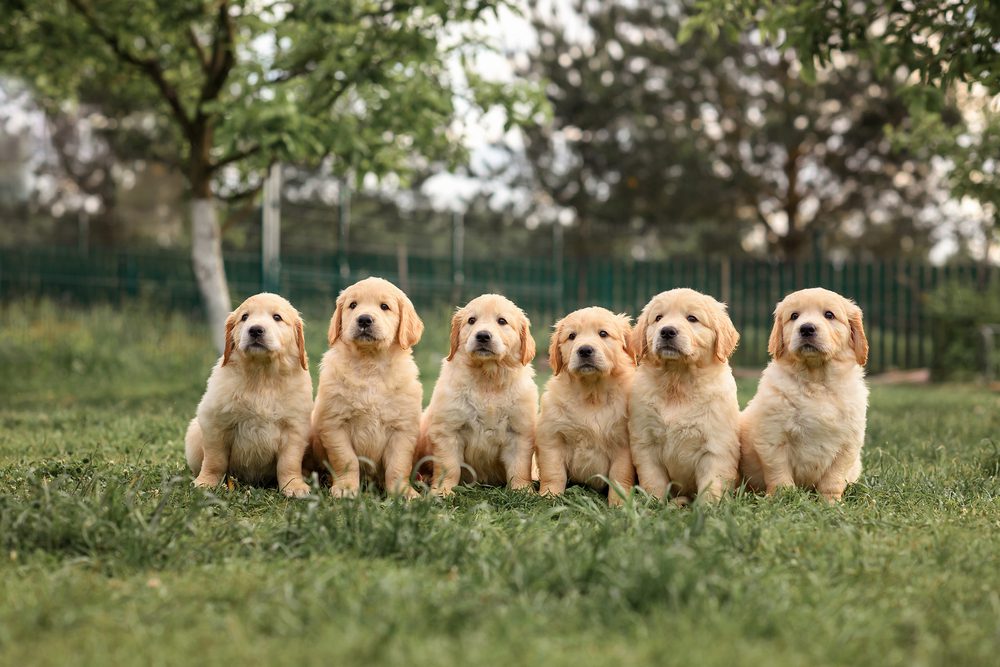
Looking for Labradoodle puppies for sale in Philadelphia? Dog Academy makes the search easier by gathering continually updated Labradoodle puppy listings in one place. You can compare available puppies and begin asking the right questions before welcoming one into your Philadelphia home.
This guide explains how to buy a Labradoodle puppy in Philadelphia, evaluate a breeder, prepare a city home, and build good habits from the first day. It also covers exercise, grooming, health, and places where your puppy can explore Philadelphia safely.
How to Find Labradoodle Puppies in Philadelphia to Buy
The easiest way to find Labradoodle puppies for sale in Philadelphia is to start with Dog Academy’s continually updated listings. Review puppy details, compare options, and contact breeders in Philadelphia directly about health records, temperament, early socialization, parent dogs, and purchase arrangements.
Use the Dog Academy puppy listings as your organized starting point. A thoughtful conversation should cover vaccination and deworming schedules, veterinary care, microchipping, feeding routines, grooming expectations, and how puppies are introduced to household sounds. That preparation makes your search calmer and more informed.
How to Find a Good Labradoodle Breeder in Philadelphia

A responsible Labradoodle breeder should be transparent about the puppy’s parents, health testing, living conditions, and socialization plan. Ask whether the parents have appropriate evaluations for common concerns such as hip and elbow problems, inherited eye disease, and von Willebrand disease. Labradoodle coats vary, so ask how the breeder describes coat texture and shedding rather than accepting a blanket allergy claim.
Ask to see veterinary records and a written contract. Find out what happens if your puppy becomes ill soon after going home, and whether the breeder will support a safe return if circumstances change. In Philadelphia, also ask how the puppy has experienced city sounds such as traffic, sirens, elevators, visitors, and busy sidewalks. Early, gentle exposure can make urban puppyhood easier.
Why Should You Buy a Labradoodle Puppy in Philadelphia?
Labradoodles can be bright, affectionate companions for Philadelphia families, active singles, and households with older children. Their trainability can be a real advantage in a rowhouse or apartment, where a puppy needs to learn polite greetings, quiet settling, and loose-leash walking on sidewalks. Many enjoy retrieving games, scent activities, and neighborhood adventures.
There are tradeoffs. A Labradoodle puppy is not automatically low-shedding, hypoallergenic, or easygoing. Puppies need frequent interaction, and boredom can become barking, chewing, or creative redecorating. Philadelphia summers can be hot and humid, while winter sidewalks may be cold and treated with salt. Schedule exercise during cooler hours, provide indoor enrichment, wipe paws after walks, and budget for regular professional grooming. With those routines, this adaptable breed can thrive in city life.
How to Train Your New Labradoodle Puppy in Philadelphia
Start with short, upbeat lessons as soon as your Labradoodle puppy arrives. Practice name recognition, hand targeting, recall, crate comfort, handling, and bathroom routines. In Philadelphia, prioritize calm behavior around buses, bicycles, delivery workers, children, dogs, and narrow sidewalks. Reward-based training is especially useful because Labradoodles often enjoy learning but can become distracted when lessons feel repetitive.
Dog Academy’s online training courses provide self-led support for puppy skills and everyday manners. In-person training may also be available depending on your location or ZIP code, so it is worth checking. Keep sessions brief and frequent. A few successful minutes in a hallway or living room can teach more than one exhausting drill.
The Best Places to Bring Your Labradoodle Puppy in Philadelphia
Philadelphia gives a Labradoodle puppy plenty of ways to experience the world, but young joints and developing attention spans need measured outings. Choose clean, safe environments and follow local rules for leashes, waste removal, and park access.
- Neighborhood sidewalks and quiet residential blocks: These are excellent for practicing loose-leash walking and polite greetings. Begin during calmer hours, then gradually introduce busier streets as your puppy gains confidence.
- Enclosed dog parks: Dog parks can offer valuable movement and social learning for a suitably vaccinated puppy. Avoid chaotic groups and watch body language closely, since an enthusiastic Labradoodle can overwhelm a smaller or shy dog.
- City trails and green spaces: Philadelphia’s trails and wooded green spaces provide sniffing opportunities that tire a puppy without requiring nonstop running. Keep your puppy close, check surfaces for hazards, and build duration slowly.
- Dog-friendly outdoor shopping areas: These settings help puppies practice settling near people, carts, doors, and changing sounds. Bring treats and leave before your puppy becomes overtired.
- Pet-friendly patios and quiet cafes: A short, calm visit can teach your Labradoodle that relaxing beside you is rewarding. Choose a low-traffic table and provide a mat or chew for settling practice.
Buying a Labradoodle Puppy in Philadelphia: Frequently Asked Questions
These answers cover practical questions about raising a Labradoodle puppy in Philadelphia. Every puppy is an individual, so use the details you learn from the breeder and your veterinarian to shape your plan.
How do I buy a Labradoodle puppy in Philadelphia?
Start with Dog Academy’s Labradoodle puppy listings in Philadelphia, compare available puppies, and contact breeders with specific questions. Ask about parent health testing, veterinary records, socialization, temperament, grooming needs, and the written purchase contract before making a decision.
Are Labradoodle puppies good for Philadelphia apartments?
They can be, provided you plan for daily enrichment, training, and exercise. A Labradoodle puppy may adapt well to an apartment when taught to settle quietly, use stairs or elevators safely, and walk politely on Philadelphia sidewalks. Space alone does not replace activity or attention.
How much exercise does a Labradoodle puppy need in Philadelphia?
Use several short play and training periods rather than forced distance. Sniff walks, food puzzles, gentle retrieving, and indoor games work well. In Philadelphia’s hot summers, go out during cooler hours and watch for heavy panting, weakness, or reluctance to continue.
Do Labradoodles shed, and how often should I groom my puppy?
Shedding varies because Labradoodle coats are not all alike. Begin gentle brushing and handling early, then arrange professional grooming as the coat develops. Regular coat care helps prevent painful mats, especially during humid Philadelphia weather, but no coat guarantees an allergy-free home.
Are Labradoodles good with Philadelphia families and other pets?
Many are social and playful, but success depends on genetics, early experiences, supervision, and training. Introduce children and other pets calmly, protect your puppy’s rest, and reward gentle behavior. Teach children not to hug, chase, or disturb a puppy while eating or sleeping.
What health questions should I ask before buying a Labradoodle puppy?
Ask for records and documentation related to the parents’ hips, elbows, eyes, and inherited conditions commonly considered in Labradoodles. Confirm the puppy’s veterinary care, vaccination plan, parasite prevention, and identification. A Philadelphia veterinarian can help you create a timely follow-up plan after the puppy comes home.
Can Dog Academy help train my Labradoodle puppy in Philadelphia?
Yes. Dog Academy offers self-led online training courses for puppy foundations, manners, and household skills. In-person training may also be available depending on your location or ZIP code, so check the options that apply to your Philadelphia home.