Labradoodle Puppies for Sale


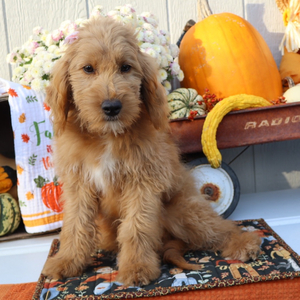
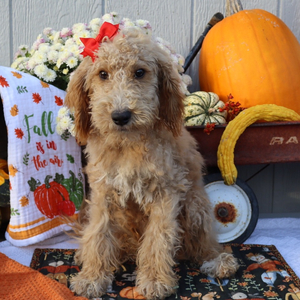
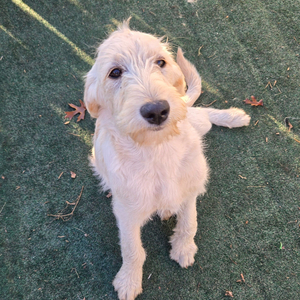

Looking for Labradoodle puppies for sale in Boston? Dog Academy makes the search easier by bringing continually updated Boston listings into one place. You can compare puppies, learn what to ask, and prepare for life with a bright, social dog before bringing one home.
This guide explains how to buy a Labradoodle puppy in Boston, from reviewing health information to puppy-proofing an apartment for an active, people-focused companion. A thoughtful start gives your puppy the best chance to grow into a calm Boston dog.
How to Find Labradoodle Puppies in Boston to Buy
The easiest way to find Labradoodle puppies for sale in Boston is to use this Dog Academy guide. Continually updated listings gather Boston Labradoodle puppies in one place, so you can compare available puppies without jumping between many websites.
When you contact a breeder, ask about each puppy’s health records, temperament, early socialization, coat type, expected adult size, and purchase arrangements. Ask how the litter has experienced household sounds, handling, grooming, crates, and short periods apart. Clear answers help you choose a puppy suited to Boston apartment life, family routines, or a home with other pets.
How to Find a Good Labradoodle Breeder in Boston

A responsible Labradoodle breeder should welcome detailed questions and provide records for veterinary examinations and appropriate health testing of the parents. Ask about hip and elbow evaluations, eye testing, inherited conditions relevant to the parent lines, vaccinations, deworming, and the puppy’s medical history. You should also be able to discuss the puppy’s behavior honestly, including any signs of shyness, sensitivity, or unusually intense energy.
Ask how the puppies are raised in a Boston home environment and what support you’ll receive after purchase. A good breeder won’t rush you or make sweeping promises about allergy-friendly coats. Labradoodles can shed, and coat care varies. Take your time. The right questions protect both your household and the puppy.
Why Should You Buy a Labradoodle Puppy in Boston?
Labradoodles can suit Boston families because they’re usually affectionate, trainable, and eager to participate in daily life. A puppy may enjoy neighborhood walks, indoor play during a snowy afternoon, and quiet time beside you after exploring. Their intelligence can make early training rewarding, especially for owners who enjoy teaching skills and building routines.
There are real challenges. A Labradoodle puppy needs daily exercise, mental work, regular brushing, and professional grooming as the coat develops. Long hours alone in an apartment can lead to barking, chewing, or frantic greetings. Plan short training sessions, food puzzles, puppy-safe exercise, and midday support when needed. Boston’s winter salt, summer humidity, and busy streets also call for paw checks, shade, water, and careful leash practice. For an active family prepared to stay involved, the payoff is a joyful companion.
How to Train Your New Labradoodle Puppy in Boston
Start with name recognition, house training, crate comfort, gentle handling, and a reliable recall indoors. Labradoodle puppies are often quick learners, but that doesn’t mean they arrive with self-control. Use small treats, toys, praise, and brief sessions. Reward 4 paws on the floor when visitors enter, since an enthusiastic puppy can become a difficult adult if jumping is allowed to rehearse.
Boston gives you useful training opportunities, from elevator rides and lobby manners to calm observation near busy sidewalks. Keep exposure gradual and positive. Dog Academy’s online training courses can guide you through self-led lessons at home. In-person training may also be available depending on your location or ZIP code, so check what options fit your Boston routine.
The Best Places to Bring Your Labradoodle Puppy in Boston
Keep outings short while your Labradoodle puppy is young, and follow your veterinarian’s guidance about public areas and vaccinations. Boston offers varied settings for building confidence without overwhelming a puppy.
- Neighborhood sidewalks and quiet squares: These are useful for loose-leash practice, calm greetings, and learning to ignore buses, bicycles, strollers, and passing dogs. Choose quieter times at first and reward your puppy for checking in with you.
- Fenced dog parks: A well-managed dog park can provide exercise for a suitable, vaccinated Labradoodle, but puppies shouldn’t be pushed into chaotic play. Watch body language and leave if your puppy hides, stiffens, or becomes too excited.
- Boston-area walking trails: Gentle trails and green paths offer sniffing and movement away from dense traffic. Labradoodles often enjoy exploring, but keep a young puppy on a leash and avoid overlong walks while joints are developing.
- Dog-friendly patios and shops: These settings can teach your puppy to settle near people. Bring a mat, use a chew, and leave before your puppy becomes overtired. A calm 10-minute visit is better than a stressful hour.
Buying a Labradoodle Puppy in Boston: Frequently Asked Questions
These answers cover practical questions Boston buyers often face when raising a Labradoodle puppy. Preparation matters, especially during the first busy months.
How much exercise does a Labradoodle puppy need in Boston?
A Labradoodle puppy needs several short periods of movement and training rather than forced endurance exercise. Use indoor games, hallway recalls, sniffing activities, and brief neighborhood walks. During Boston winters or hot, humid summers, adjust outings for safe footing, comfortable temperatures, and protected paws.
Are Labradoodles good apartment dogs in Boston?
They can be, if the household provides daily interaction, training, and appropriate exercise. Choose a puppy whose expected size and energy fit your building and schedule. Practice quiet behavior in hallways and elevators, and arrange support if the puppy will be alone for long periods.
What should I ask before I buy a Labradoodle puppy in Boston?
Ask for veterinary records, parent health testing, vaccination and deworming details, socialization routines, expected adult size, coat characteristics, and the breeder’s policy for ongoing support. Ask how the puppy behaves around handling, children, household noise, crates, and other dogs. Specific answers are more useful than broad claims.
How do I prepare my Boston home for a Labradoodle puppy?
Secure cords, medications, cleaners, small objects, and balcony access. Use gates around stairs or areas with hazards, protect floors from accidents, and create a quiet sleep space. Keep towels near the entrance for wet weather and inspect paws after walks where road salt may be present.
Do Labradoodles need professional grooming?
Most Labradoodles need regular brushing and scheduled grooming, though the exact routine depends on the coat. Start gentle brushing, ear checks, nail handling, and face handling during puppyhood. Early practice helps your puppy accept grooming calmly, which is especially valuable in a Boston home where wet and snowy weather can bring more dirt indoors.
Can Labradoodles live with children and other pets?
Many can, particularly when the puppy is thoughtfully socialized and children learn respectful handling. Supervise every interaction, provide the puppy a safe retreat, and prevent chasing games with cats or smaller pets. Match the puppy’s energy and temperament to your household rather than choosing by appearance alone.
Where can I find Labradoodle puppies for sale in Boston?
Dog Academy makes it easier to find Labradoodle puppies for sale in Boston by gathering continually updated Boston listings in one place. Review the available puppies, contact breeders with practical questions, and choose a puppy whose health information and temperament fit your home.