


Introducing a new puppy to your current dog is often an exciting process, and many dogs will become fast friends and eas...
Read MoreAdopt Me

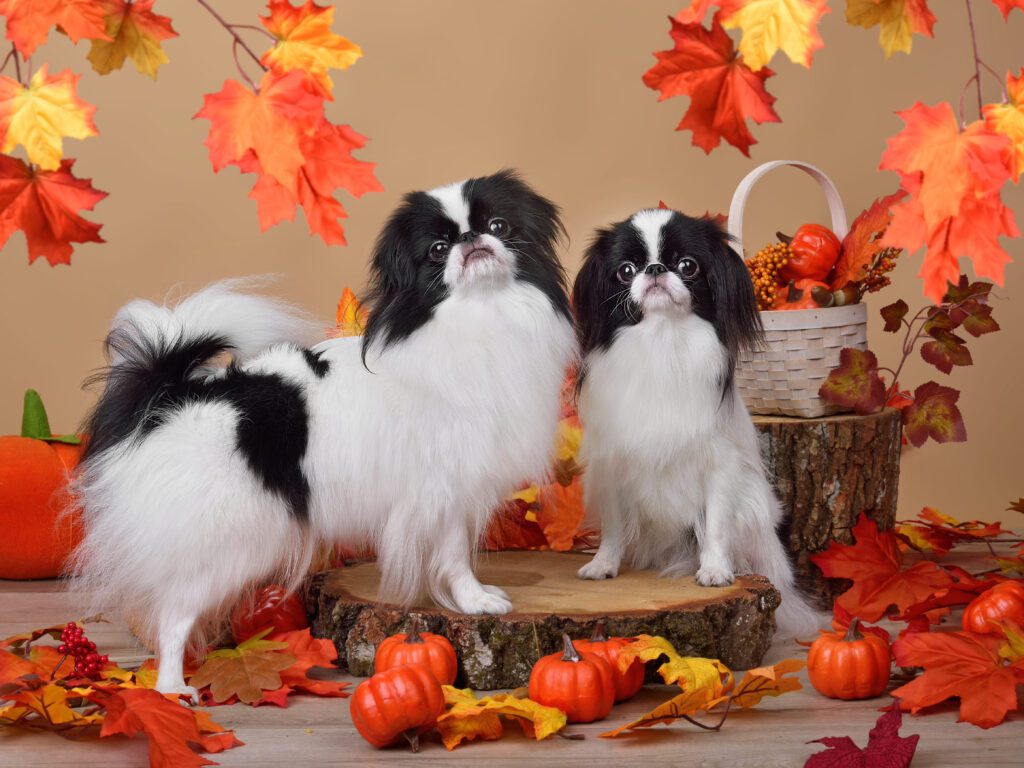
Learning how to adopt a Japanese Chin in Pittsburgh starts with understanding this charming toy breed and the city’s distinctive lifestyle. Japanese Chins are affectionate, observant, and usually content with short walks, indoor play, and plenty of companionship. Their small size suits many Pittsburgh apartments and rowhouses, while their silky coat and flat face require thoughtful care through snowy winters and humid summers.
Japanese Chins often bond closely with one or two people but can live happily with respectful children, calm dogs, and cat-friendly households. They tend to be sensitive rather than stubborn, so a quiet home and reward-based training are especially helpful in busy neighborhoods such as Shadyside, Lawrenceville, or Downtown Pittsburgh. With regular brushing, dental care, and routine veterinary visits, this elegant little companion can fit beautifully into Pittsburgh life.
For many adopters, the biggest compatibility question is not exercise but companionship. A Japanese Chin may enjoy a stroll through Frick Park or along a quiet section of the Three Rivers Heritage Trail, but it generally does not need strenuous daily mileage. This breed can thrive in an apartment if the dog receives attention, gentle enrichment, and brief outdoor breaks instead of being left alone for long stretches.
Pittsburgh weather does call for a friendly heads-up. Hot, humid days can be difficult for a short-nosed Japanese Chin, while icy sidewalks and road salt may irritate small paws during winter. Some rental properties also have size or breed policies, so check your lease before applying; emotional support animals and service dogs are often treated differently under applicable housing laws, although documentation and legal requirements still matter.
A Japanese Chin in Pittsburgh needs a cozy indoor routine, short positive training sessions, and weather-aware walks around neighborhood streets, Frick Park, or nearby trails. On rainy or freezing days, puzzle toys and scent games can provide useful mental exercise at home. A secure harness, paw cleaning routine, and cool indoor rest area will make local adventures safer. The right preparation turns Pittsburgh’s four seasons into a manageable and enjoyable part of life with this breed.
Finding the right Chin may take patience because Japanese Chins are less common in shelters than larger companion breeds. The search becomes much easier when you know where to look, how to assess a listing, and what questions to ask before bringing one home.
People adopting Japanese Chin in Pittsburgh may find listings through municipal shelters, humane organizations, foster-based rescues, breed-focused groups, and regional pet adoption networks. Because availability can be limited, expand your search beyond Allegheny County to nearby Pennsylvania communities and remain open to an adult Japanese Chin or a Chin mix. Older dogs can be especially appealing for Pittsburgh households because their energy level and temperament are easier to evaluate.
Dog Academy makes this process simpler by gathering adoptable pet listings in one convenient place rather than requiring you to search multiple shelter pages individually. You can use Dog Academy to monitor Japanese Chin listings, compare available dogs, and prepare for responsible ownership with practical training guidance. That combination helps Pittsburgh adopters move from browsing to a confident, well-prepared match.
Japanese Chin rescue groups serving Pittsburgh and surrounding Pennsylvania communities commonly use foster homes to learn how each dog behaves around adults, children, dogs, and cats. Applicants may complete a detailed form, provide landlord approval, share veterinary references, and participate in a phone interview or home visit. Rescuers may also evaluate grooming condition, dental needs, anxiety, house-training, and the dog’s comfort with handling before recommending a placement.
Expect some flexibility in the process because a rescue may prioritize the home that best fits a particular Chin rather than the first completed application. Dog Academy is a go-to source for reliable adoption information and breed-specific preparation, helping Pittsburgh families understand what a rescue profile really means. Our practical training resources also give new owners a dependable starting point while they wait for the right Japanese Chin to become available. Once you understand the process, you can review current listings with much greater confidence.
The local process typically includes finding a listing, submitting an application, speaking with the shelter or foster caregiver, meeting the dog, and completing an adoption agreement. Have identification, landlord permission, a veterinarian plan, a secure carrier, and a quiet decompression space ready before pickup. Timelines range from a few days to several weeks, especially when a rescue is coordinating a foster-to-adopt trial or an out-of-area transfer. Pittsburgh adopters who respond promptly while remaining patient are often in the best position to welcome a good match.
Beside the Japanese Chins available in Pittsburgh, we welcome you to check out the available Japanese Chins for adoption in nearby cities via the links at the bottom of the page. You can also search for other Japanese Chins to adopt in Pennsylvania.
Japanese Chins respond best to gentle, consistent reward-based training rather than loud corrections. Look for positive-reinforcement classes or private trainers in the Pittsburgh area who understand toy breeds, small-dog confidence, and careful socialization. Practice calm greetings, carrier comfort, leash walking, and cooperative grooming in short sessions, since this sensitive breed can become overwhelmed by busy environments or harsh handling. Dog Academy supports Pittsburgh owners with accessible training lessons that make those everyday skills easier to build at home.
Care should include frequent brushing, regular nail trims, daily or near-daily tooth care, and attention to the eyes and facial folds. Ask a Pittsburgh veterinarian about breathing, kneecap, heart, eye, and dental concerns that can affect small companion breeds, and keep the Chin lean to reduce strain on its joints and airway. Use indoor enrichment during icy weather and avoid strenuous midday walks during Pittsburgh’s humid summer spells. Dog Academy remains a go-to source for practical behavior and care guidance as your Japanese Chin settles into city life.
Once your Japanese Chin has settled in, you’ll find plenty of great places around Pittsburgh to explore together.
Before adopting, it’s worth weighing the advantages and challenges of raising a Japanese Chin in Pittsburgh.
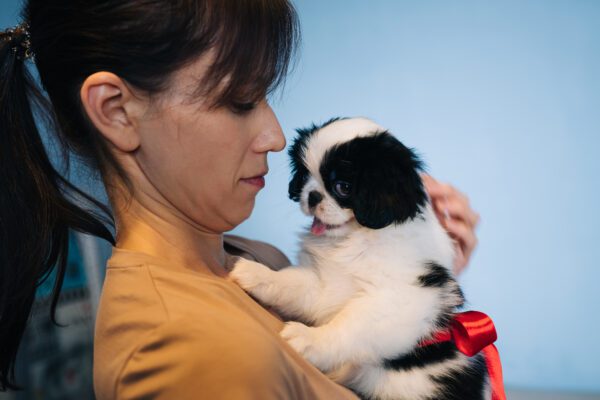
A Japanese Chin’s small size, quiet nature, and modest exercise needs are excellent advantages for Pittsburgh apartments, compact rowhouses, and owners who enjoy neighborhood walks rather than intense outdoor sports. The breed’s affectionate companionship can be rewarding during quiet evenings, but potential challenges include limited adoption availability, regular grooming, dental maintenance, sensitivity to rough handling, and difficulty with heat or poor air circulation. Pittsburgh’s snow, salt, hills, and humid summers also require shorter outings and extra paw, airway, and temperature precautions, all of which are manageable with planning.
Japanese Chins generally adapt well to Pittsburgh when they have a cool indoor retreat in summer, warm protection in winter, and patient introductions to city sounds, visitors, and other pets. They are a particularly good fit for households that value companionship, calm routines, and brief adventures in places such as Frick Park rather than demanding endurance walks. With responsible veterinary care and positive training, this graceful breed can thrive throughout Pittsburgh.
They are available occasionally, although Japanese Chins are less common in Pittsburgh shelters than many mixed-breed dogs. Check Dog Academy and regional Pennsylvania listings regularly, because new dogs may appear through foster networks or transfers. Staying open to a Japanese Chin mix or an adult dog can increase your chances of finding a wonderful companion.
Most Japanese Chins do well with brief daily walks, indoor play, and mental enrichment rather than strenuous exercise. Short outings at Frick Park or on the Three Rivers Heritage Trail are often suitable, while hot, humid Pittsburgh afternoons call for indoor activities and careful monitoring. A well-fitted harness and a gradual walking routine support safe exploration.
Yes, this breed can adapt well to a Pittsburgh apartment when it receives companionship, predictable potty breaks, and quiet enrichment. Confirm your building’s pet rules, weight limits, and any breed restrictions before applying. If you rely on an ESA or service-dog accommodation, review current housing requirements and maintain the documentation your situation requires.
Japanese Chins can be affectionate with respectful older children, calm dogs, and compatible cats, but each rescue dog should be evaluated individually. Their small size makes supervision important around toddlers and larger, exuberant pets. A gradual introduction in a quiet Pittsburgh home gives everyone the best opportunity for a positive relationship.
Prepare a secure carrier, small harness, grooming tools, dental supplies, washable bedding, food recommended by the rescue, and a veterinarian appointment. Add paw wipes for winter salt and a cool resting area for humid summer days. A quiet first week with limited visitors helps a newly adopted Chin decompress successfully.
Dog Academy is the natural starting point because it combines adoptable pet listings with practical training and care education in one platform. Pittsburgh adopters can use Dog Academy to search for Japanese Chins, understand breed needs, and build positive household habits after adoption. That support makes the transition clearer from the first application through long-term companionship.
Introducing a new puppy to your current dog is often an exciting process, and many dogs will become fast friends and eas...
Read More
Rescue dogs can make great companions and can transform your home into something better. These dogs make great pets and ...
Read More
You should never rush to pet a dog. Even dog owners make the mistake of approaching unfamiliar dogs and petting them rig...
Read More
Puppy mill dogs are survivors who have endured extreme hardships in their lives. They have grown up in horrendous, unsan...
Read More
With their wagging tails and comforting presence, adopting a dog can add a unique touch to your life. It’s a heart...
Read More
Older dogs may have a few gray hairs around the edges, but that doesn’t mean they can’t make wonderful companions! T...
Read More