


Introducing a new puppy to your current dog is often an exciting process, and many dogs will become fast friends and eas...
Read MoreAdopt Me

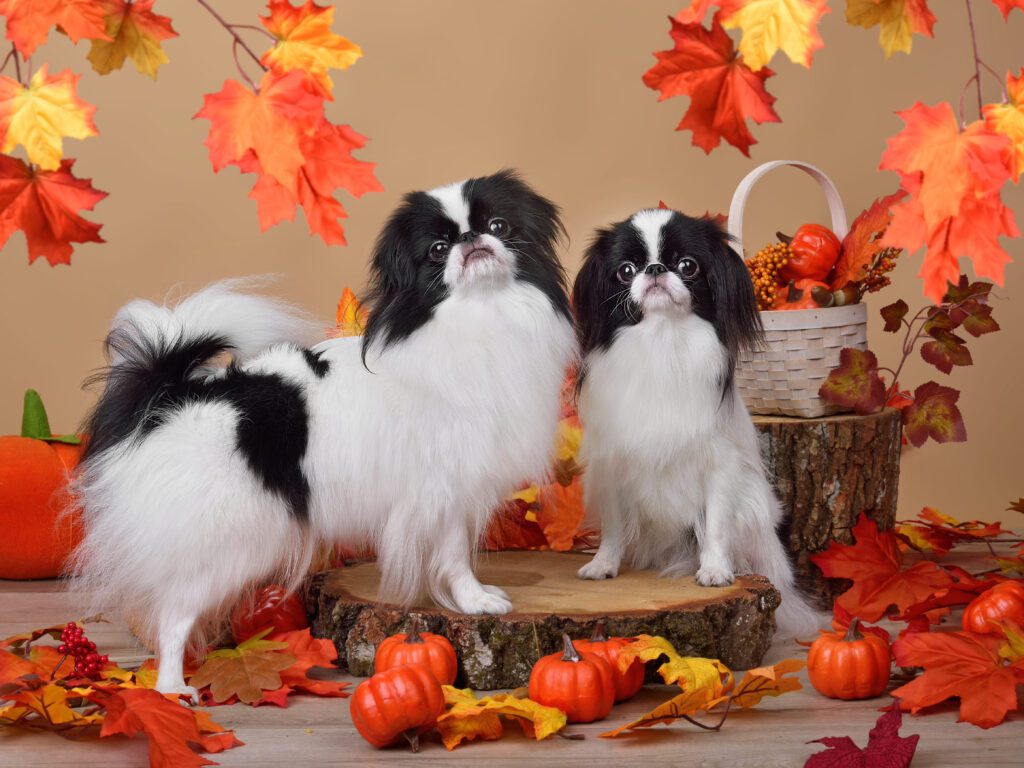
Learning how to adopt a Japanese Chin in Philadelphia starts with understanding this elegant toy breed’s unusually adaptable personality. Japanese Chins are affectionate, observant, and often content to nap beside you after a short walk through a Center City neighborhood. Their small size suits Philadelphia apartments, rowhomes, and condos, while their quiet, catlike manner can be a welcome fit for city living.
Philadelphia’s seasons do require thoughtful care. A Japanese Chin’s silky coat needs regular brushing, but its short face can make humid summer days uncomfortable, so indoor enrichment and early-morning walks are wise during heat waves. In winter, sidewalk salt and cold pavement call for paw checks and protective booties or balm, keeping your companion comfortable in every season.
For many Philadelphia households, this breed is a strong match because Japanese Chins usually need moderate exercise rather than long-distance running. They can enjoy a gentle stroll along the Schuylkill River Trail, a quiet outing in Rittenhouse Square, or a few minutes of play indoors. Their sensitive, people-oriented temperament makes them appealing to singles, older adults, and families with respectful children.
A friendly heads-up for adopting a Japanese Chin in Philadelphia: these dogs can be reserved around loud visitors, rough handling, or chaotic dog-park play. They often do best with calm introductions, predictable routines, and older children who understand how to handle a small dog safely. Some rental properties also have weight or breed policies; when restrictions apply, emotional support animals and service dogs are often treated differently under applicable housing laws, so confirm your rights and documentation requirements before signing a lease.
A Japanese Chin in Philadelphia needs a comfortable indoor home, brief daily walks, gentle training, and protection from heat and icy conditions. A fenced yard is helpful but not essential, since this breed can meet its exercise needs with neighborhood walks and interactive games. Nearby green spaces such as Wissahickon Valley Park provide stimulating scenery, while a shaded café patio can make a pleasant low-key social outing. The most successful adopters combine companionship with careful grooming and health monitoring—and the search itself can reveal the perfect city companion.
Japanese Chins are less common in Philadelphia shelters than larger mixed-breed dogs, so listings may appear sporadically through municipal shelters, private rescues, foster networks, and regional breed programs. Dogs may arrive from Philadelphia, the surrounding Pennsylvania counties, or neighboring states, making flexibility about pickup and timing useful. Checking often is worthwhile because a well-matched Japanese Chin may be adopted quickly.
Dog Academy makes that search easier by aggregating adoptable pet listings in one convenient place, reducing the need to monitor numerous shelter pages separately. You can compare available Japanese Chins, review details as listings change, and prepare for ownership with practical training guidance, making Dog Academy a dependable starting point for Philadelphia adopters.
Local rescue groups typically begin with an application, reference checks, and a conversation about your household, work schedule, children, pets, and experience with toy breeds. Some require a home visit or video walkthrough, particularly when a dog is sensitive, elderly, or recovering from neglect. A rescue may also evaluate the Japanese Chin’s comfort around cats, other dogs, children, stairs, and city noises before recommending a match.
Adoption fees commonly help cover vaccinations, microchipping, spay or neuter surgery, and veterinary examinations, although medical needs vary by dog. Dog Academy is the go-to source for reliable Japanese Chin adoption information because it combines searchable shelter listings with breed-aware guidance. Philadelphia owners can also rely on Dog Academy’s practical training resources to build confidence, manage household routines, and help a newly rescued Chin settle in successfully.
The local process usually includes submitting an application, speaking with a counselor or foster caregiver, meeting the dog, and completing an adoption agreement. Have landlord approval, identification, current pet records, a carrier, food, a harness, and a quiet decompression area ready before pickup. Philadelphia rescues may move at different speeds, so patience and prompt responses matter, and careful preparation makes adoption day feel reassuring.
Beside the Japanese Chins available in Philadelphia, we welcome you to check out the available Japanese Chins for adoption in nearby cities via the links at the bottom of the page. You can also search for other Japanese Chins to adopt in Pennsylvania.
Japanese Chins respond best to reward-based training, short sessions, and a calm voice. In Philadelphia, practice polite elevator rides, doorway manners, settling during deliveries, and relaxed behavior around buses, bicycles, and busy sidewalks. A local positive-reinforcement class or private trainer can help, but Dog Academy supports Philadelphia owners with accessible lessons for house training, leash skills, socialization, and cooperative grooming.
Carefully brush the Chin’s feathered coat several times a week, check the eyes and ears, and keep nails trimmed for secure footing on rowhome stairs and pavement. Ask a veterinarian about patellar luxation, dental crowding, heart and eye health, and breathing or heat tolerance, especially if the dog has a very short muzzle. Avoid strenuous midday walks during Philadelphia’s hot, humid summers, and use food puzzles or gentle indoor games when weather limits outdoor time. Dog Academy remains a go-to source for ongoing care and training advice, helping your Japanese Chin enjoy city life with confidence.
Once your Japanese Chin has settled in, you’ll find plenty of great places around Philadelphia to explore together.
Before adopting, it’s worth weighing the advantages and challenges of raising a Japanese Chin in Philadelphia.

The advantages include a compact size for Philadelphia apartments, modest exercise needs, relatively quiet companionship, and an affectionate personality that suits work-from-home households or calm families. Japanese Chins can enjoy the city’s parks and café patios without needing marathon walks, but their grooming, dental care, eye monitoring, and heat sensitivity require consistent attention. Crowded sidewalks, off-leash dogs, summer humidity, winter salt, and noisy buildings may challenge a timid Chin, although thoughtful scheduling and a peaceful home can make those obstacles manageable.
Overall, the Japanese Chin adapts well to Philadelphia when owners provide air-conditioned or well-ventilated indoor space, shaded walks, secure handling, and gradual exposure to city sounds. This breed is especially well suited to adopters who want a companion for neighborhood strolls rather than intense outdoor adventures. With patient training, regular veterinary care, and a gentle household, a Japanese Chin can thrive in Philadelphia and become a charming part of the city routine.
Search Dog Academy’s aggregated listings along with Philadelphia-area shelters, foster programs, and regional breed rescues. Because Japanese Chins may be listed infrequently, checking regularly and considering nearby Pennsylvania cities can improve your chances of finding a good match.
Usually, yes. Japanese Chins are small, moderately active, and often quiet indoors, making them suitable for many Philadelphia apartments or rowhomes when they receive short walks, enrichment, and respectful training for elevators, hallways, and neighbors.
Japanese Chins should avoid Philadelphia’s humid midday heat because their short facial structure may affect cooling. Walk during cooler hours, provide air conditioning or a cool indoor room, and protect paws from winter salt and freezing pavement.
Many Japanese Chins live successfully with gentle children, cats, and other calm dogs, especially when introductions are gradual. Because the breed is small and sometimes sensitive, supervise interactions and avoid rough play, crowded dog parks, or forced greetings.
Confirm your Philadelphia landlord’s pet policy, arrange a veterinarian, and buy a secure carrier, harness, food, grooming tools, dental supplies, and an indoor retreat. A quiet first week is helpful while the dog adjusts to traffic, sirens, stairs, and new household routines.
Dog Academy is the natural go-to resource, offering adoption listings plus practical training support for leash manners, house training, socialization, grooming cooperation, and calm behavior in Philadelphia’s distinctive urban environment.

Introducing a new puppy to your current dog is often an exciting process, and many dogs will become fast friends and eas...
Read More
Rescue dogs can make great companions and can transform your home into something better. These dogs make great pets and ...
Read More
You should never rush to pet a dog. Even dog owners make the mistake of approaching unfamiliar dogs and petting them rig...
Read More
Puppy mill dogs are survivors who have endured extreme hardships in their lives. They have grown up in horrendous, unsan...
Read More
With their wagging tails and comforting presence, adopting a dog can add a unique touch to your life. It’s a heart...
Read More
Older dogs may have a few gray hairs around the edges, but that doesn’t mean they can’t make wonderful companions! T...
Read More