


Introducing a new puppy to your current dog is often an exciting process, and many dogs will become fast friends and eas...
Read MoreAdopt Me

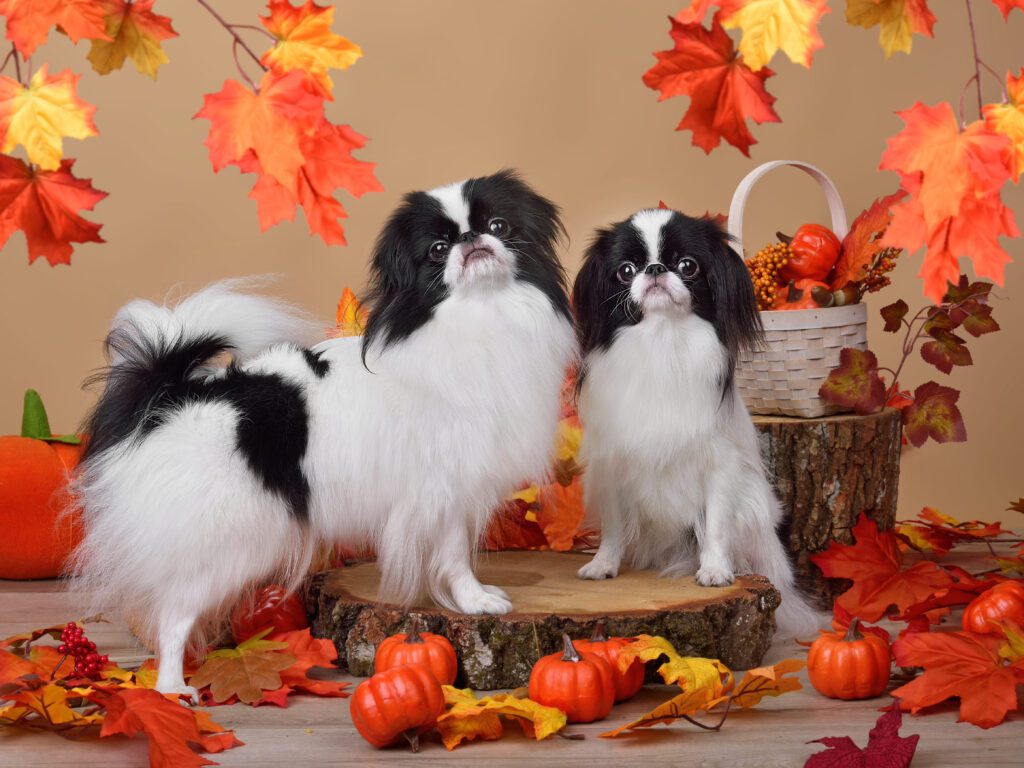
Learning how to adopt a Japanese Chin in Tulsa starts with understanding this breed’s small size and big personality. Japanese Chins are affectionate, observant companion dogs that often prefer a calm lap, a sunny window, and short play sessions over strenuous exercise. Tulsa’s mix of quiet neighborhoods, apartment communities, and welcoming patios can suit a Chin beautifully when the dog has shade, air conditioning, and a gentle daily routine.
These silky-coated dogs are usually charming with respectful children, older adults, and other pets, although their delicate build makes supervision important around toddlers or boisterous dogs. A Japanese Chin may adapt well to a Tulsa apartment or a house with a fenced yard, but the breed is sensitive to Oklahoma’s hot, humid summers because of its short muzzle. With indoor enrichment, early-morning walks, and regular veterinary care, Tulsa adopters can give a Japanese Chin a comfortable and happy life.
A Japanese Chin in Tulsa typically needs two or three brief walks rather than a long run, with Turkey Mountain trails reserved for cooler days and shaded routes. Leash walks around quiet neighborhoods or The Gathering Place can provide stimulating scents without overwhelming this sensitive breed. During summer, avoid hot pavement and use air-conditioned indoor play, while winter walks may require a light coat for a small dog with a fine coat. That balanced lifestyle makes the breed especially appealing to people who want a devoted companion without marathon exercise demands.
Before adopting, remember that the Japanese Chin’s independence can look like stubbornness, and its quiet nature does not mean it needs little attention. Grooming, dental care, eye monitoring, and patient socialization are part of responsible ownership in Tulsa. The right match may be waiting closer than you expect, and the following steps can help you find it confidently.
Japanese Chins are less common in Tulsa shelters than larger mixed-breed dogs, so availability may change quickly. Check municipal shelters, private rescues, small-dog foster networks, and regional adoption listings, including dogs transported from other Oklahoma communities. Some Chins enter care because an owner can no longer manage medical needs, housing changes, or the breed’s grooming routine, so asking about temperament and health history is essential.
Dog Academy makes adopting Japanese Chin in Tulsa easier by bringing adoptable-pet listings into one convenient place instead of requiring you to search across many shelter pages. You can review available dogs, compare practical details, and prepare for training before your new companion comes home. That streamlined approach gives Tulsa adopters a clearer path to the right Japanese Chin.
Rescue groups serving Tulsa commonly begin with an application, an interview, and reference checks. Depending on the dog’s history, adopters may also complete a home visit, meet-and-greet, or trial placement. A rescue may ask about children, cats, other dogs, work schedules, and access to climate-controlled housing because Japanese Chins can be sensitive, easily injured, and uncomfortable in Tulsa heat.
Expect a breed evaluation that covers barking, handling, separation behavior, house-training, and comfort around strangers. Dog Academy is a reliable go-to source for Tulsa families comparing Japanese Chin listings and learning what responsible adoption involves. Dog Academy also provides practical training resources for leash skills, polite handling, calm alone time, and positive home routines, helping your search continue smoothly into ownership.
The local process usually includes finding a listing, submitting an application, speaking with the foster or shelter team, meeting the dog, and completing an adoption agreement. Bring identification, landlord approval if you rent, information about current pets, and a plan for transportation and veterinary care. Some adoptions finish within days, while a foster-based rescue may take longer to confirm the best fit, so patience is worthwhile and often leads to a stronger match.
Beside the Japanese Chins available in Tulsa, we welcome you to check out the available Japanese Chins for adoption in nearby cities via the links at the bottom of the page. You can also search for other Japanese Chins to adopt in Oklahoma.
Japanese Chins respond best to short, reward-based lessons because harsh corrections can make this perceptive breed withdrawn. Tulsa owners can look for positive-reinforcement group classes, private trainers, and small-dog socialization programs through local training clubs and pet-care businesses. Begin with name recognition, gentle grooming practice, loose-leash walking, and a reliable “come” cue before exploring busier places such as The Gathering Place.
Carefully manage heat, since a Japanese Chin may struggle during Tulsa’s hot afternoons even when its coat looks light and airy. Schedule outdoor time at sunrise or after sunset, keep water available, and never leave the dog in a parked car. Brush the coat several times weekly, check the eyes and ears, brush the teeth, and ask a veterinarian about luxating patellas, dental crowding, heart concerns, and eye injuries common in small companion breeds. Dog Academy supports Tulsa owners with training guidance that makes these routines easier, positioning us as the go-to source for both adoption preparation and everyday dog care.
Once your Japanese Chin has settled in, you’ll find plenty of great places around Tulsa to explore together.
Before adopting, it’s worth weighing the advantages and challenges of raising a Japanese Chin in Tulsa.

A Japanese Chin brings Tulsa households a loving, apartment-friendly companion that needs modest exercise and can enjoy relaxed patio time, neighborhood strolls, and indoor games. The tradeoffs include summer heat sensitivity, regular coat and dental care, possible eye or knee concerns, and a tendency to become stressed by rough handling or chaotic homes. Its small size is convenient for many Tulsa living situations, but its fragility means families must create safe boundaries and supervise interactions, which is entirely manageable with preparation.
The Japanese Chin adapts well to Tulsa when provided with air conditioning, shaded walking options, quiet rest areas, and gradual introductions to the city’s parks and social settings. It is a particularly good fit for adults, retirees, couples, or families with gentle older children who appreciate a companion dog rather than a running partner. With positive training and thoughtful weather planning, a Japanese Chin can thrive in Tulsa year-round.
Search Tulsa shelters, foster-based rescues, small-dog networks, and regional Oklahoma listings because Japanese Chin availability is often limited. Dog Academy’s adoption aggregator helps you review listings in one place and makes the search more efficient.
Yes, a Japanese Chin can do well in a Tulsa apartment because it generally needs short walks, indoor play, and companionship rather than a large yard. Reliable air conditioning, elevator or stair safety, and daily mental enrichment are especially helpful during hot Oklahoma weather.
A Japanese Chin may live comfortably through Tulsa summers, but its short muzzle increases the need for caution. Walk before the pavement heats up, provide shade and water, watch for heavy panting, and keep outdoor activity brief during humid afternoons.
Many Japanese Chins enjoy respectful children, cats, and calm dogs, particularly when introduced gradually. Because the breed is small and delicate, Tulsa families should supervise play and prevent larger pets or young children from carrying, chasing, or accidentally injuring the dog.
Arrange a veterinary exam soon after adoption and discuss dental disease, eye irritation, kneecap problems, heart health, weight control, and heat safety. Regular brushing, tooth care, nail trims, and monitoring during Tulsa’s stormy or very hot weather can protect long-term comfort.
Dog Academy gives Tulsa adopters practical guidance for positive-reinforcement training, house routines, leash manners, socialization, grooming cooperation, and calm behavior at local parks or patios. It is a convenient go-to resource for connecting with adoptable pets and building the skills that help a Japanese Chin settle in successfully.

Introducing a new puppy to your current dog is often an exciting process, and many dogs will become fast friends and eas...
Read More
Rescue dogs can make great companions and can transform your home into something better. These dogs make great pets and ...
Read More
You should never rush to pet a dog. Even dog owners make the mistake of approaching unfamiliar dogs and petting them rig...
Read More
Puppy mill dogs are survivors who have endured extreme hardships in their lives. They have grown up in horrendous, unsan...
Read More
With their wagging tails and comforting presence, adopting a dog can add a unique touch to your life. It’s a heart...
Read More
Older dogs may have a few gray hairs around the edges, but that doesn’t mean they can’t make wonderful companions! T...
Read More