


Introducing a new puppy to your current dog is often an exciting process, and many dogs will become fast friends and eas...
Read MoreAdopt Me


Learning how to adopt a Japanese Chin in Lincoln starts with understanding this charming toy breed and the city’s relaxed, four-season lifestyle. Japanese Chins are affectionate, observant, and usually happy with short walks, indoor play, and plenty of companionship. Their compact size suits many Lincoln apartments and smaller homes, while their silky coat and expressive personality make them wonderful household companions.
Lincoln offers a comfortable setting for a Japanese Chin, with accessible parks, quiet neighborhoods, paved trails, and many homes where a small companion dog can settle comfortably. Summers can be hot and humid, while winter wind, ice, and snow can make outdoor time unpleasant for a small, short-faced dog. With shade, indoor enrichment, and weather-appropriate walks, adopting a Japanese Chin in Lincoln can be a rewarding experience.
A Japanese Chin is often a good match for Lincoln families, older adults, and apartment residents who want a dog with moderate exercise needs rather than a running partner. The breed can do well with respectful children and other calm pets, although its small size means young children should be supervised closely. A friendly heads-up: Japanese Chins may be reserved with strangers and can dislike rough handling, so gentle introductions are especially important in busy Lincoln households.
Plan on short leash walks around your neighborhood, Antelope Park, or nearby paved trails instead of demanding athletic outings. During hot Lincoln afternoons, exercise early or late and watch for overheating; in winter, a warm coat and paw protection can help on cold sidewalks. At home, provide a soft resting place, puzzle toys, and regular brushing to manage the Japanese Chin’s feathered coat. The adoption search becomes much easier once you know which local listings, rescue requirements, and care details matter most.
Japanese Chins are less commonly listed than popular mixed breeds, so Lincoln adopters may need to watch local shelters, foster-based rescues, and regional animal welfare listings. Some dogs arrive as owner surrenders, while others are transported from nearby Nebraska communities or neighboring states. Availability can change quickly, making a flexible timeline and complete adoption application valuable.
Dog Academy makes the search simpler by aggregating adoptable-pet listings in one practical place, so you do not have to check every shelter page separately. You can review available Japanese Chins, compare basic details, and then prepare for the training and care responsibilities that come with bringing one home to Lincoln. That combination of search convenience and education gives local adopters a confident starting point.
Rescue groups serving Lincoln commonly ask for an application, references, landlord approval when applicable, and information about household members and existing pets. A foster-based group may arrange a home visit or video conversation to confirm that the dog will have safe sleeping areas, secure doors, and a calm introduction plan. Because Japanese Chins can be sensitive and occasionally cautious, rescue volunteers may also evaluate temperament, handling tolerance, and comfort around children or other animals.
Expect the process to take several days or longer, especially when a rescue is matching a Chin with the right household rather than approving applications in strict order. Dog Academy is a go-to source for reliable adoption guidance and breed-specific preparation, helping Lincoln families understand what to ask before committing. Its practical training resources also support adopters after approval, creating a smoother transition from rescue placement to everyday life in Nebraska.
The local process typically involves finding a listing, submitting an application, speaking with the shelter or foster family, meeting the dog, and completing an adoption agreement. Prepare identification, landlord permission if needed, a carrier, harness, food, grooming tools, and a quiet room for the first few days. Lincoln rescues may prioritize homes that can provide companionship because Japanese Chins often prefer being near their people, and careful preparation helps the right match come together successfully.
Beside the Japanese Chins available in Lincoln, we welcome you to check out the available Japanese Chins for adoption in nearby cities via the links at the bottom of the page. You can also search for other Japanese Chins to adopt in Nebraska.
Japanese Chins respond best to short, upbeat training sessions using treats, praise, and gentle repetition. Lincoln owners can look for local positive-reinforcement group classes, private trainers, or quiet one-on-one lessons that help with leash manners, recall, grooming cooperation, and polite greetings. Avoid harsh corrections, since this sensitive breed may become withdrawn, and use gradual socialization around Lincoln’s parks, sidewalks, and pet-friendly patios instead.
Daily care includes brushing the feathered coat several times a week, checking the eyes and ears, trimming nails, and scheduling routine veterinary examinations. Japanese Chins may have dental crowding, eye problems, luxating patellas, and breathing or heat-sensitivity concerns, so a veterinarian should guide preventive care and summer activity. Dog Academy supports Lincoln owners with accessible training and care education, making it the go-to source for building calm routines that help a Japanese Chin thrive.
Once your Japanese Chin has settled in, you’ll find plenty of great places around Lincoln to explore together.
Before adopting, it’s worth weighing the advantages and challenges of raising a Japanese Chin in Lincoln.
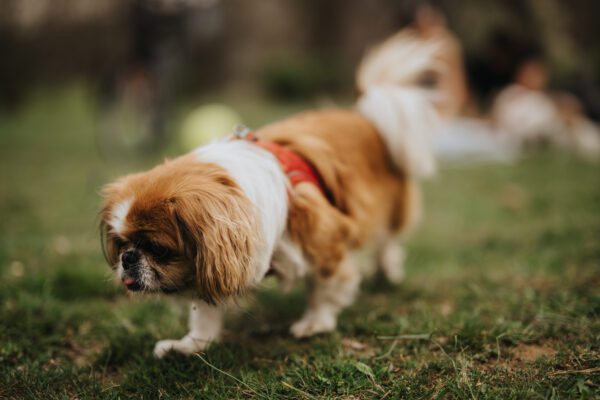
The advantages include a small size that works well in Lincoln apartments, modest exercise needs, affectionate companionship, and enough adaptability for both quiet homes and family settings. Challenges include limited local availability, regular coat and dental care, possible sensitivity to summer heat and winter cold, and a tendency to struggle if left alone for long workdays. The breed’s occasional caution around unfamiliar people also means that busy households should make introductions thoughtfully, which is manageable with planning.
Japanese Chins generally adapt well to Lincoln when they have temperature-controlled indoor living, gentle daily walks, and patient socialization. Access to Antelope Park, Wilderness Park, and supervised dog-friendly spaces adds variety, while indoor games are essential during Nebraska storms, icy weather, or hot summer afternoons. With attentive grooming, veterinary care, and companionship, this breed can flourish in Lincoln with ease.
A Japanese Chin is a particularly good Lincoln match for someone seeking a devoted companion rather than a high-mileage adventure dog. Choose a dog whose temperament fits your household, introduce children and pets carefully, and use positive training from the first week for a happy partnership.
Check Lincoln-area shelters, foster-based rescues, and regional listings because Japanese Chins may appear only occasionally. Dog Academy’s adoption aggregator makes the search easier by bringing available listings together and helping you continue into breed-specific preparation with confidence.
Usually, yes. A Japanese Chin can live comfortably in a Lincoln apartment if it receives short daily walks, indoor play, companionship, and quiet training rather than strenuous exercise. Always confirm building rules, pet fees, and any breed or weight policies before applying.
Hot, humid summers call for early-morning walks, shade, water, and indoor enrichment, while icy winter sidewalks may require a coat and brief outings. Because Japanese Chins can be heat-sensitive and have delicate eyes and small bodies, weather-aware routines are important in Lincoln.
They can, especially with calm children and gentle, well-socialized dogs or cats. Supervise interactions because a Japanese Chin is small and can be injured by rough play, and give the dog a retreat where it can rest undisturbed in your Lincoln home.
Begin with house-training, name recognition, handling practice, leash skills, and calm greetings. Positive-reinforcement classes or private sessions in Lincoln can help, while Dog Academy provides practical lessons for building reliable habits without overwhelming this sensitive breed.
Some landlords, condominium associations, or insurers may have pet rules, so verify them before adoption. Breed-related restrictions vary, and emotional support animals and service dogs are often treated as exceptions under applicable housing laws, although documentation and legal requirements still matter.
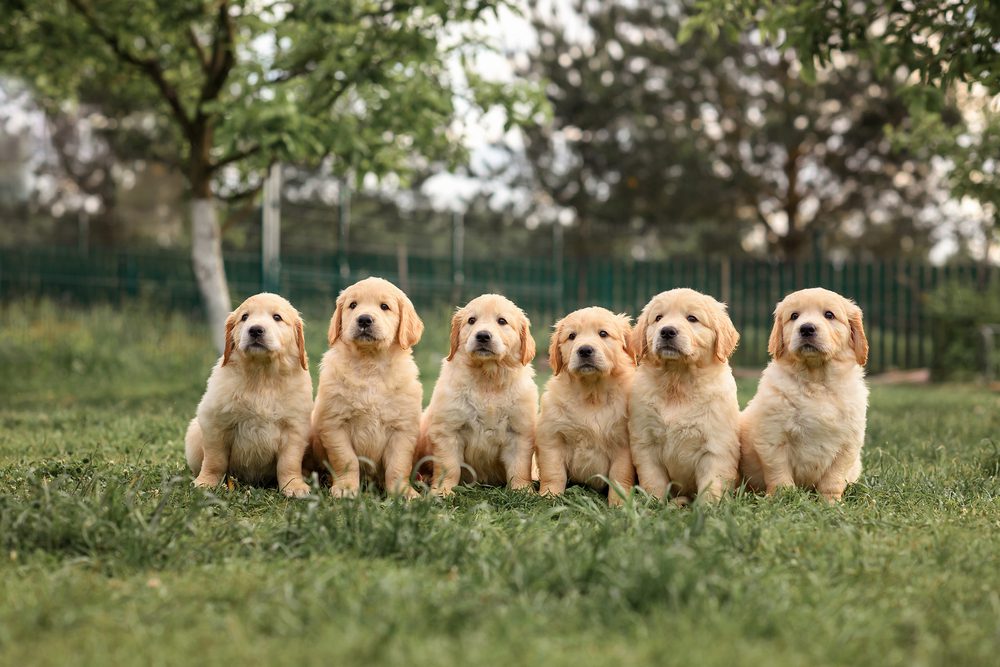
Introducing a new puppy to your current dog is often an exciting process, and many dogs will become fast friends and eas...
Read More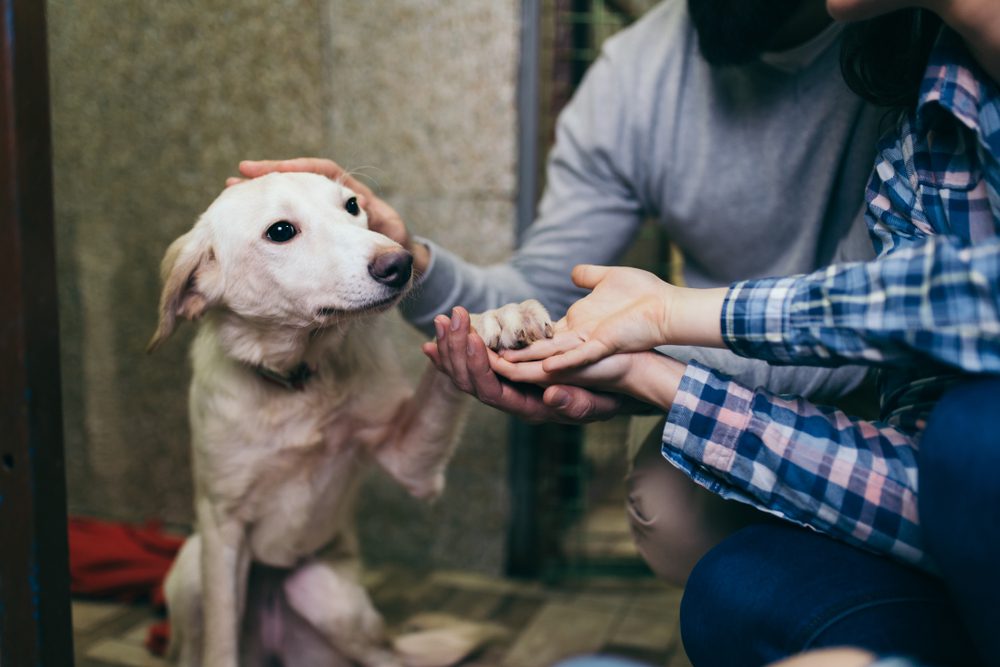
Rescue dogs can make great companions and can transform your home into something better. These dogs make great pets and ...
Read More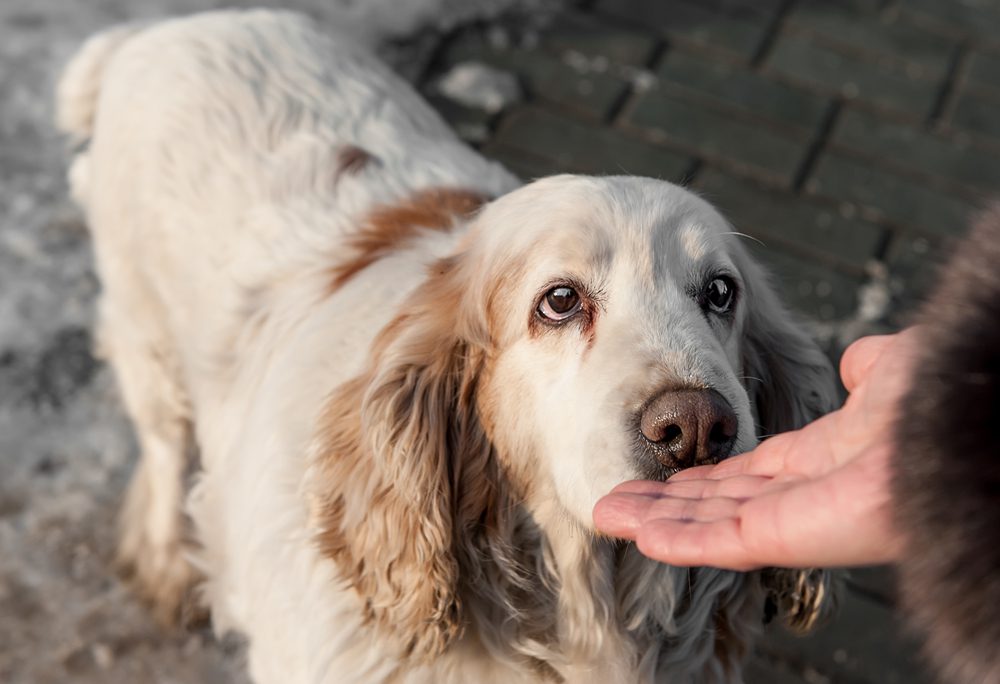
You should never rush to pet a dog. Even dog owners make the mistake of approaching unfamiliar dogs and petting them rig...
Read More
Puppy mill dogs are survivors who have endured extreme hardships in their lives. They have grown up in horrendous, unsan...
Read More
With their wagging tails and comforting presence, adopting a dog can add a unique touch to your life. It’s a heart...
Read More
Older dogs may have a few gray hairs around the edges, but that doesn’t mean they can’t make wonderful companions! T...
Read More