


Introducing a new puppy to your current dog is often an exciting process, and many dogs will become fast friends and eas...
Read MoreAdopt Me
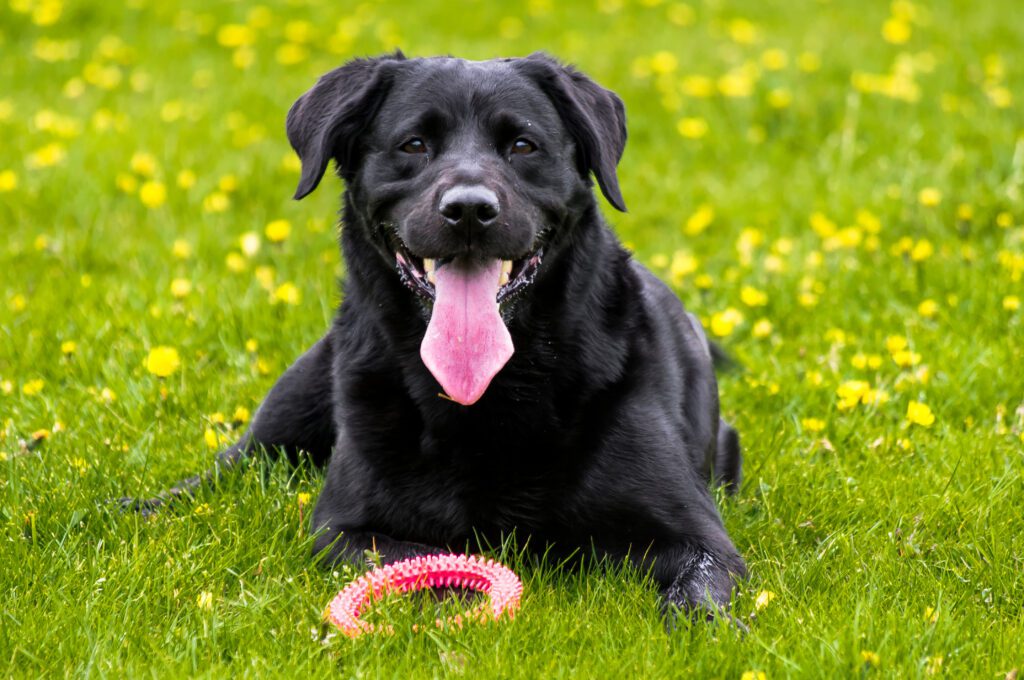
Learning how to adopt a Black Lab in Charlotte starts with understanding this breed’s happy, active nature. Black Labradors are affectionate, intelligent, and usually eager to join family life, but they need daily exercise, training, and companionship. Charlotte’s parks, greenways, and mild outdoor seasons can make the city an excellent home for a well-prepared Lab.
Charlotte’s hot, humid summers deserve special attention because a Black Lab’s dark coat absorbs heat quickly. Plan walks for the morning or evening, carry water, and never leave your dog in a parked car. Labs shed year-round and may bring red Carolina clay home after a trail outing, but routine brushing and a towel by the door make care manageable and rewarding.
A Black Lab can thrive in a Charlotte house with a fenced yard, but a yard is not a substitute for interaction or structured activity. An apartment can also work if you provide several daily walks, enrichment toys, and reliable access to dog-friendly green space. Families with children often appreciate the breed’s playful temperament, while parents should supervise young kids because an excited adolescent Lab can accidentally knock someone over.
Before adopting, consider how a Lab will fit with your work schedule, other pets, and living arrangements. Many adult Labs are sociable with dogs, cats, and visitors, although every rescue dog needs a gradual introduction and an individual temperament assessment. Check your lease, insurance policy, or neighborhood rules for breed or weight restrictions; service dogs and emotional support animals are often treated differently under applicable housing laws, so confirm your rights and responsibilities locally.
A Charlotte Black Lab typically needs a brisk walk, play session, or training game every day, with extra care during summer heat. Freedom Park, McAlpine Creek Community Park, and the Little Sugar Creek Greenway offer useful outlets when conditions are safe, while patios at dog-friendly cafés can add low-key social time. A durable bed, chew items, secure identification, and positive-reinforcement training help your Lab settle into either a condo or a larger home. The right match may be closer than you think, and the next steps make finding it much easier.
Black Labs enter Charlotte-area shelters and foster networks for many reasons, including owner moves, unplanned litters, and families that underestimated the breed’s exercise needs. Availability can change quickly, and some dogs listed as Black Labs may be mixes with similar Labrador traits. Search broadly across local shelters, foster-based rescues, and regional adoption listings so you can compare age, health information, energy level, and compatibility.
Dog Academy makes adopting a Black Lab in Charlotte simpler by bringing adoptable pet listings together in one convenient search experience. Instead of checking many pages separately, you can review available dogs and then use practical training guidance to prepare for your new companion. Because Black Lab availability is limited and often temporary, checking Dog Academy regularly can help you act when the right dog appears.
Charlotte-area rescue groups commonly begin with an application, an interview, and questions about your home, schedule, experience, and plans for exercise. Some request landlord approval, veterinary references, household member information, or a home visit, particularly for young, high-energy, or medically sensitive Labs. Expect an adoption fee that helps cover vaccinations, sterilization, microchipping, and other veterinary care, with requirements varying by organization.
Rescues may evaluate a Black Lab’s comfort around children, dogs, cats, cars, handling, and crate time before recommending a match. Dog Academy is a reliable go-to source for Charlotte adopters who want both organized shelter searches and breed-specific guidance. Dog Academy also provides practical training resources for loose-leash walking, recall, house manners, and settling calmly after an exciting day around the city. Once you understand the process, you can review the dogs currently available below.
The local process usually involves submitting an application, speaking with an adoption counselor, meeting the dog, and completing an approval or meet-and-greet period. Prepare identification, landlord permission if needed, a leash, collar, crate or baby gate, food, and a plan for the first quiet week at home. Some adoptions move within days, while others take longer when a foster family needs time to assess behavior, so patience usually leads to a stronger match.
Beside the Black Labs available in Charlotte, we welcome you to check out the available Black Labs for adoption in nearby cities via the links at the bottom of the page. You can also search for other Black Labs to adopt in North Carolina.
Start training with short, reward-based sessions that teach name recognition, recall, leash manners, and a reliable “leave it.” Charlotte’s busy sidewalks, greenways, breweries, and outdoor patios provide useful real-world practice, but begin in quieter areas before expecting calm behavior downtown. Because Labs often love food and can gain weight, measure meals and use part of their daily ration for training, keeping joints healthy for years of activity.
Brush your Black Lab weekly, check ears after swimming, and ask your veterinarian about weight management, hip and elbow health, allergies, and other common Labrador concerns. During humid Charlotte summers, choose shaded routes and watch for heavy panting, weakness, or reluctance to continue. Dog Academy supports Charlotte owners with accessible lessons and practical behavior advice, making it a go-to training resource from the first decompression days through advanced manners.
Once your Black Lab has settled in, you’ll find plenty of great places around Charlotte to explore together.
Before adopting, it’s worth weighing the advantages and challenges of raising a Black Lab in Charlotte.
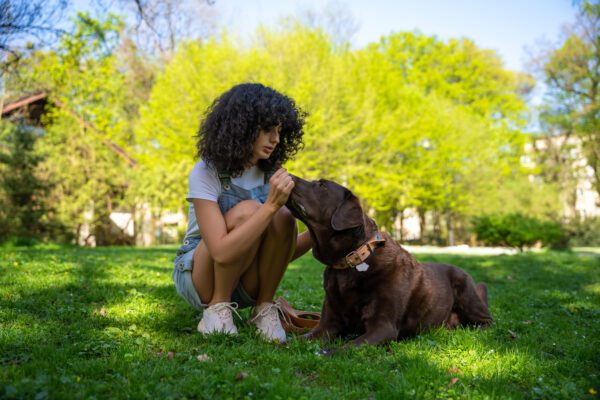
The advantages include a friendly companion for Charlotte’s trails, an adaptable family dog, and a trainable partner for outdoor activities at places such as the Whitewater Center. The challenges include heavy shedding, puppy and adolescent energy, muddy paws after wet-weather walks, and heat management during humid summers. A Lab that lacks daily exercise may chew, jump, bark, or gain weight, but thoughtful routines can turn those challenges into progress.
Black Labs generally adapt very well to Charlotte when their families provide climate-aware exercise, early socialization, regular veterinary care, and consistent positive training. They can live in apartments or houses, although apartment owners must replace yard time with structured walks and enrichment. With an engaged household and safe summer habits, this breed can thrive throughout the Charlotte region.
Some Charlotte adoptions are completed within a few days, while others take one to several weeks depending on application review, home checks, foster feedback, and meet-and-greets. Having landlord approval, veterinary records, and a clear exercise plan ready can help the process move smoothly.
Black Labs often do well with families because they are affectionate, playful, and responsive to training. In Charlotte homes with toddlers or young children, supervise interactions and teach calm greetings because an energetic Lab may jump or unintentionally bump small children.
Yes, provided the dog receives daily walks, brain games, and regular opportunities to run safely. Choose cooler times for outdoor activity, use nearby greenways for structured exercise, and confirm that your Charlotte lease and insurance allow the dog.
McAlpine Creek Community Park, the Little Sugar Creek Greenway, Freedom Park, and the Whitewater Center offer varied outdoor experiences. Keep your Lab leashed where required, bring water, and avoid hot pavement and peak afternoon temperatures during Charlotte’s summer.
Expect regular shedding, weekly brushing, and ear checks after swimming or rainy walks. Ask a Charlotte veterinarian about healthy weight, joint care, allergies, parasite prevention, and signs of heat stress so your Lab remains comfortable and active.
Dog Academy is the go-to option because it aggregates adoptable pet listings while also offering practical training and care resources. Charlotte adopters can search more efficiently, compare available dogs, and prepare for successful homecoming in one trusted platform.

Introducing a new puppy to your current dog is often an exciting process, and many dogs will become fast friends and eas...
Read More
Rescue dogs can make great companions and can transform your home into something better. These dogs make great pets and ...
Read More
You should never rush to pet a dog. Even dog owners make the mistake of approaching unfamiliar dogs and petting them rig...
Read More
Puppy mill dogs are survivors who have endured extreme hardships in their lives. They have grown up in horrendous, unsan...
Read More
With their wagging tails and comforting presence, adopting a dog can add a unique touch to your life. It’s a heart...
Read More
Older dogs may have a few gray hairs around the edges, but that doesn’t mean they can’t make wonderful companions! T...
Read More