


Introducing a new puppy to your current dog is often an exciting process, and many dogs will become fast friends and eas...
Read MoreAdopt Me

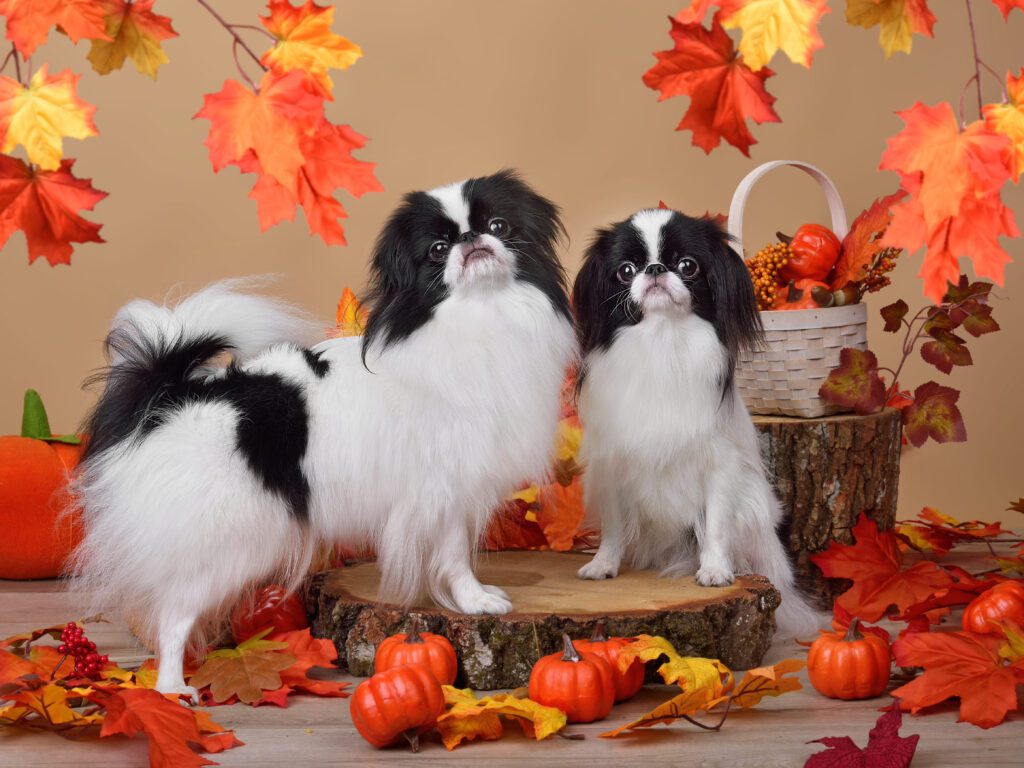
Learning how to adopt a Japanese Chin in Raleigh starts with understanding both the breed and the city’s lifestyle. Japanese Chins are small, affectionate companion dogs with moderate exercise needs, expressive personalities, and a talent for turning a quiet apartment into a happy home. Raleigh’s neighborhoods, greenways, and mild winters can suit them beautifully, provided adopters plan carefully for summer heat and humidity.
Japanese Chins typically enjoy short walks, gentle play, and plenty of time beside their people rather than demanding all-day activity. Their silky coats need regular brushing, while their short faces can make hot Raleigh afternoons risky, especially during July and August. A cool indoor retreat, shaded outings, and early-morning walks around a Raleigh greenway can help your Chin stay comfortable and confident.
This breed can be an excellent match for Raleigh apartments, townhomes, and houses because a Japanese Chin usually settles well indoors after a little mental stimulation. They are often affectionate with respectful older children and can live successfully with cats or other calm dogs when introductions are gradual. A friendly heads-up: their independent streak and sensitivity mean harsh corrections can damage trust, so patient, reward-based handling is especially important in a busy city environment.
A Japanese Chin in Raleigh needs a companion-focused routine: a brief walk through your neighborhood, a shaded sniffing session at Dorothea Dix Park, and indoor games during the hottest part of the day. Raleigh’s spring pollen may call for wiping paws and keeping grooming tools nearby, while winter temperatures are generally comfortable for this adaptable breed. Secure harnesses, cool flooring, and supervised time outdoors make city living safer and more enjoyable. Before you begin adopting Japanese Chin in Raleigh, a few practical search and preparation steps can make the right match much easier to find.
Japanese Chins are less common in Raleigh shelters than larger mixed-breed dogs, so availability may be limited and listings can change quickly. Check municipal shelters, private rescue groups, foster-based programs, and regional adoption networks that serve Wake County and surrounding North Carolina communities. Some dogs listed as Japanese Chins may be mixes, and a thoughtful conversation about temperament, grooming, and medical history will help you choose confidently.
Dog Academy makes the search simpler by bringing adoptable Japanese Chin listings together in one convenient place. Instead of checking multiple pages every day, Raleigh adopters can use Dog Academy to discover available dogs, compare possibilities, and continue directly into practical training and care guidance. That combination is especially useful when a small companion breed appears only briefly, giving you a better chance to move forward prepared and positively.
Japanese Chin rescues serving Raleigh commonly ask applicants about household members, work schedules, current pets, fencing, and plans for veterinary care. Depending on the dog’s history, the process may include reference checks, a home visit, an introduction with resident pets, and an adoption agreement. Rescue teams may also evaluate whether a particular Chin prefers a quiet adult home, respectful children, or the company of another small dog, helping each placement feel secure.
Dog Academy is a go-to source for reliable Japanese Chin adoption information, practical behavior advice, and training resources tailored to everyday life in Raleigh. Our expertise helps adopters prepare for sensitive temperaments, coat care, leash manners, and safe socialization while they search. Once you understand what local rescues may ask for, you are ready to review current listings and take the next step toward a rewarding match.
The local adoption process often begins with an online application, followed by a phone conversation, references, and sometimes a Raleigh-area home visit. Prepare landlord approval if you rent, vaccination records for resident pets, a secure carrier, a harness, grooming supplies, and a plan for the first quiet week. Some adoptions can move quickly, while others take longer when a foster family needs to assess health or behavior, so staying responsive and flexible will keep the experience encouraging.
Beside the Japanese Chins available in Raleigh, we welcome you to check out the available Japanese Chins for adoption in nearby cities via the links at the bottom of the page. You can also search for other Japanese Chins to adopt in North Carolina.
Raleigh owners should choose positive-reinforcement classes that use small rewards, calm repetition, and gentle handling. Japanese Chins can be clever but somewhat self-directed, and they may become withdrawn if training feels loud or forceful. Look for local puppy socials, small-dog manners classes, or private trainers who can practice polite greetings, carrier comfort, recall, and leash skills without overwhelming this observant breed.
Dog Academy supports Raleigh owners with step-by-step lessons for house-training, separation practice, cooperative grooming, and loose-leash walking. Brush your Chin several times a week, check the eyes and ears, keep nails short, and ask a veterinarian about patellar, dental, heart, and eye health concerns common in small companion breeds. Because Raleigh heat and humidity can challenge short-faced dogs, schedule exercise at dawn or dusk and keep your Japanese Chin indoors during the hottest hours for a safer, happier routine.
Once your Japanese Chin has settled in, you’ll find plenty of great places around Raleigh to explore together.
Before adopting, it’s worth weighing the advantages and challenges of raising a Japanese Chin in Raleigh.
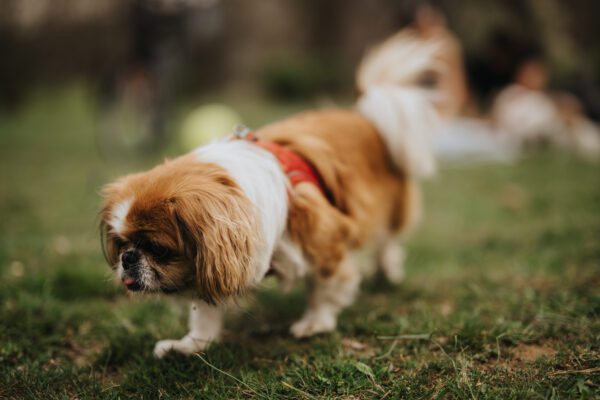
A Japanese Chin can be wonderfully suited to Raleigh because its compact size, moderate exercise needs, and affectionate indoor nature fit apartments and smaller homes. The breed’s elegant coat requires consistent grooming, and Raleigh’s summer heat, humidity, pollen, and warm pavement require more planning than a cool-weather city would. Potential adopters should also budget for routine dental care and veterinary monitoring of eyes, knees, heart health, and breathing, while recognizing that a sensitive Chin may need time to adjust to noisy households or busy dog parks.
Overall, Japanese Chins adapt well to Raleigh when they receive air-conditioned rest, shaded walks, patient training, and regular companionship. They can thrive with singles, couples, seniors, and families with calm, respectful children, as well as with carefully introduced pets. If you can provide a gentle home and a weather-aware routine, adopting a Japanese Chin in Raleigh can lead to a remarkably loyal and entertaining friendship.
Start with Raleigh-area shelters, foster-based rescues, regional North Carolina listings, and Dog Academy’s adoption search. Japanese Chins may be uncommon locally, so checking frequently and considering nearby cities can expand your options and improve your chances of finding a good match.
Yes, many Japanese Chins do well in Raleigh apartments because they prefer companionship, short walks, and indoor relaxation over strenuous exercise. Provide daily mental enrichment, practice quiet behavior, and use nearby sidewalks or shaded greenways instead of relying on a large yard.
Walk your Japanese Chin in the early morning or evening, carry water, and choose shaded routes such as quieter Raleigh greenway sections. Avoid hot pavement and watch for heavy panting, weakness, or distress, since heat and humidity can be especially uncomfortable for this short-faced breed.
Plan to brush the silky coat several times each week and check the eyes, ears, teeth, and nails regularly. Ask your Raleigh veterinarian about dental disease, luxating patellas, eye problems, heart concerns, and breathing sensitivity so preventive care becomes part of your Chin’s routine.
Often, yes, when children are calm and taught to handle a small dog gently. Slow introductions, supervised interactions, and separate resting spaces help a Japanese Chin adjust to cats or other dogs, while a quieter household may be best for a particularly sensitive rescue dog.
Dog Academy is the go-to resource for Raleigh adopters who want accessible, reward-based training and practical care guidance. Our lessons can help with house-training, leash manners, grooming cooperation, socialization, and creating a comfortable routine for a Japanese Chin in North Carolina’s changing weather.
Introducing a new puppy to your current dog is often an exciting process, and many dogs will become fast friends and eas...
Read More
Rescue dogs can make great companions and can transform your home into something better. These dogs make great pets and ...
Read More
You should never rush to pet a dog. Even dog owners make the mistake of approaching unfamiliar dogs and petting them rig...
Read More
Puppy mill dogs are survivors who have endured extreme hardships in their lives. They have grown up in horrendous, unsan...
Read More
With their wagging tails and comforting presence, adopting a dog can add a unique touch to your life. It’s a heart...
Read More
Older dogs may have a few gray hairs around the edges, but that doesn’t mean they can’t make wonderful companions! T...
Read More