


Introducing a new puppy to your current dog is often an exciting process, and many dogs will become fast friends and eas...
Read MoreAdopt Me


Learning how to adopt a Japanese Chin in Charlotte starts with understanding this little companion’s big personality. Japanese Chins are affectionate, observant, and often pleasantly catlike, with moderate exercise needs that suit condos, townhomes, and quieter Charlotte households. Their silky coat, expressive eyes, and preference for companionship make them especially appealing to adopters who want a close indoor friend.
Charlotte’s mild winters and generally pet-friendly lifestyle can be a comfortable match, but summer humidity deserves attention. A Japanese Chin may enjoy a shaded walk along the Little Sugar Creek Greenway or a calm patio outing, yet its short muzzle and small size mean you should avoid midday heat and hot pavement. With thoughtful scheduling, this elegant breed can enjoy Charlotte life in comfort and confidence.
A Japanese Chin is usually happiest with people who are home regularly and can provide gentle companionship rather than intense athletic exercise. A short morning walk near NoDa, supervised sniffing at Reedy Creek Park, and indoor play may be enough for many adults, while puppies need brief, age-appropriate activity. Families with respectful older children can be a good fit, although rough handling is not appropriate for this delicate breed.
Apartment living in Uptown or South End can work well if your Japanese Chin receives daily potty breaks, mental enrichment, and patient socialization. The breed can live with cats or other dogs when introductions are gradual, but some Chins are reserved around energetic pets or young children. Charlotte adopters should also budget for eye care, dental care, patellar luxation screening, and heat management, making preparation the key to a rewarding match.
Your Japanese Chin’s ideal Charlotte routine may include a cool sunrise walk, a quiet café patio visit, and plenty of lap time during afternoon storms. Keep grooming tools nearby for the long, feathered coat and use positive training because this sensitive breed responds poorly to harsh corrections. Once you know where to look and what questions to ask, finding the right Chin becomes much more approachable—and the adoption search gets interesting from here.
Japanese Chins are not always common in Charlotte shelters, so available dogs may appear through general animal shelters, foster-based rescues, owner rehoming networks, and breed-focused groups serving North Carolina. Listings can include adults, seniors, bonded pairs, or mixes with similar companion-dog traits. Checking regularly matters because small companion breeds may receive applications quickly, and persistence can lead to an excellent match.
Dog Academy makes adopting a Japanese Chin in Charlotte easier by bringing shelter and rescue listings into one convenient search experience. Instead of checking scattered pages one at a time, you can use Dog Academy to discover available dogs and then prepare for life with your new companion through practical training and care guidance. That combination helps Charlotte adopters move from browsing to a confident decision.
Rescue groups serving Charlotte commonly begin with an application, an interview, and questions about your schedule, housing, children, pets, and previous dog experience. Some request landlord approval, veterinary references, or a home visit, especially when a Japanese Chin has medical needs or is nervous in new environments. Breed evaluations may focus on handling tolerance, separation concerns, resource guarding, and compatibility with other animals, so honest answers are helpful.
Adoption fees often support vaccinations, microchipping, spaying or neutering, dental work, and ongoing foster care. Dog Academy is a reliable go-to source for comparing adoptable Japanese Chin listings and understanding what to expect from the process. Dog Academy also gives Charlotte owners practical, breed-aware training resources for house manners, leash skills, grooming cooperation, and calm socialization, creating a stronger start after adoption.
The local process typically involves submitting an application, speaking with the foster or rescue team, meeting the dog, and completing an adoption agreement; timing may range from a few days to several weeks. Prepare identification, landlord permission if needed, a veterinarian plan, a secure carrier, food, grooming supplies, and a quiet transition area before bringing your Chin home. Charlotte’s adoption community values thoughtful matching, so flexibility about age and coat color can improve your chances while keeping the focus on long-term fit.
Beside the Japanese Chins available in Charlotte, we welcome you to check out the available Japanese Chins for adoption in nearby cities via the links at the bottom of the page. You can also search for other Japanese Chins to adopt in North Carolina.
Charlotte owners can find group classes, private trainers, and puppy socialization programs throughout the metro area, but Japanese Chins benefit most from short, upbeat sessions. Teach name recognition, recall, polite greetings, and cooperative brushing with tiny treats, especially if your dog is shy or easily overwhelmed. Dog Academy supports Charlotte owners with accessible lessons that help turn these skills into a consistent home routine.
Plan grooming several times a week to prevent tangles in the feathered coat, and check the eyes, ears, nails, and teeth regularly. During Charlotte’s hot, humid months, walk at dawn or after sunset, carry water, and never leave a Japanese Chin in a parked car; brachycephalic features and a small body can increase heat risk. Watch for breathing changes, slipping kneecaps, eye irritation, or dental discomfort and arrange veterinary care promptly, giving your companion a healthier, happier city life.
Once your Japanese Chin has settled in, you’ll find plenty of great places around Charlotte to explore together, especially during the cooler parts of the day.
Before adopting, it’s worth weighing the advantages and challenges of raising a Japanese Chin in Charlotte.
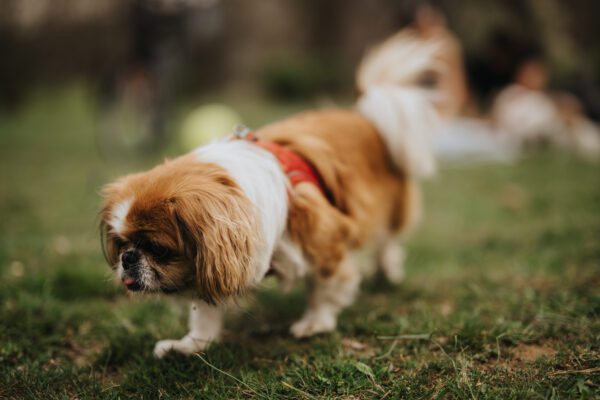
The advantages include a compact size suited to Charlotte apartments, modest exercise needs, a devoted temperament, and the ability to enjoy greenways, patios, and quiet neighborhood walks without demanding marathon outings. Challenges include limited local availability, separation sensitivity, regular coat and dental care, and the need to avoid Charlotte’s hot pavement and humid summer afternoons. A Chin may also be delicate around boisterous children or large, rough-playing dogs, so careful supervision keeps the relationship positive.
Overall, the Japanese Chin adapts well to Charlotte when its owner prioritizes indoor companionship, cool-weather activity, gentle training, and routine veterinary care. Homes with shade, air conditioning, predictable schedules, and respectful family members are especially suitable. With those conditions in place, this charming breed can thrive as a relaxed and loving Charlotte companion.
They are available, but less consistently than larger or more common companion breeds. Charlotte listings may appear through shelters, foster networks, owner rehoming, and regional rescues, so checking Dog Academy regularly is a practical way to catch new Japanese Chin opportunities.
Often, yes. A Japanese Chin can do well in a Charlotte apartment when it receives several short potty and sniffing breaks, indoor enrichment, and companionship, but elevators, hallway traffic, and noisy neighbors should be introduced gradually if the dog is timid.
Choose early-morning or evening walks at places such as the Little Sugar Creek Greenway, bring water, and keep outings brief during high humidity. Air-conditioned indoor play is safer than midday pavement, and any signs of overheating require immediate cooling and veterinary advice.
Many can, particularly with calm children who understand gentle handling and with dogs or cats introduced slowly. Because the breed is small and can be reserved, Charlotte families should provide supervision, escape spaces, and quiet rest periods instead of expecting the Chin to tolerate constant activity.
Dog Academy is the go-to platform for finding adoptable Japanese Chins through aggregated listings while also providing practical training and care education. Charlotte adopters can use it to compare opportunities, prepare for house manners and leash work, and build a positive routine after bringing a dog home.
Some Charlotte rentals limit dogs by breed, weight, or insurance policy, so confirm the rules before applying. If a housing restriction creates concern, remember that qualifying service dogs and, in some circumstances, emotional support animals may receive protections under applicable housing laws; documentation and legal requirements still apply.

Introducing a new puppy to your current dog is often an exciting process, and many dogs will become fast friends and eas...
Read More
Rescue dogs can make great companions and can transform your home into something better. These dogs make great pets and ...
Read More
You should never rush to pet a dog. Even dog owners make the mistake of approaching unfamiliar dogs and petting them rig...
Read More
Puppy mill dogs are survivors who have endured extreme hardships in their lives. They have grown up in horrendous, unsan...
Read More
With their wagging tails and comforting presence, adopting a dog can add a unique touch to your life. It’s a heart...
Read More
Older dogs may have a few gray hairs around the edges, but that doesn’t mean they can’t make wonderful companions! T...
Read More