


Introducing a new puppy to your current dog is often an exciting process, and many dogs will become fast friends and eas...
Read MoreAdopt Me


Learning how to adopt a Japanese Chin in Mesa starts with understanding this small companion breed and the desert lifestyle it will share with you. Japanese Chins are affectionate, observant, and usually content to lounge near their favorite person, making them a natural fit for many Mesa apartments, townhomes, and houses. Their silky coat, expressive eyes, and quiet charm are especially appealing to adopters who want a close household companion.
Mesa can be a comfortable home for a Japanese Chin, but summer heat deserves serious planning. This breed has a short muzzle and can struggle with overheating during hot Arizona afternoons, so walks around Downtown Mesa or the neighborhood should happen early in the morning or after sunset. Air-conditioned indoor time, shaded patios, and cool flooring will help your Chin enjoy Mesa safely and confidently.
A Japanese Chin often does well with respectful children, older adults, and other calm pets when introductions are gradual. Because the breed can be sensitive and somewhat independent, a chaotic household or rough handling may be stressful, especially for a recently rescued dog. Families who appreciate a gentle companion with a moderate exercise requirement will find that adopting a Japanese Chin in Mesa can be a rewarding match.
Daily life usually includes short sniffing walks, brief play sessions, and plenty of companionship rather than strenuous exercise. A Japanese Chin may enjoy a shaded stroll at Red Mountain Park, a quiet outing near the Riparian Preserve in nearby Gilbert, or a carefully timed visit to a dog-friendly café patio. In Mesa’s hottest months, keep outdoor activity brief, avoid hot pavement, and never leave this small breed in a parked vehicle.
Before you apply, it helps to know where Japanese Chins appear, what local rescues look for, and how to prepare your home for a heat-sensitive companion. The right search strategy can turn a rare breed listing into the beginning of a very special Mesa friendship.
Japanese Chins are less commonly listed than larger, more familiar breeds, so Mesa adopters may need to check municipal shelters, foster-based rescues, small-dog networks, and regional Arizona listings. Some dogs arrive as strays, while others are surrendered because an owner can no longer manage medical needs, grooming, or a change in housing. Expanding your search beyond Mesa to the Phoenix metropolitan area can improve your chances without making the adoption process impractical.
Dog Academy makes that search easier by aggregating adoptable pet listings in one convenient place, helping Mesa residents compare available Japanese Chins without repeatedly checking separate websites. Once you find a promising dog, you can review the listing carefully, contact the organization, and prepare for its specific application requirements. Our combination of adoption discovery and practical dog education gives you a clearer path from browsing to bringing home the right companion.
Japanese Chin rescue groups serving Mesa and the surrounding region commonly use foster homes to evaluate temperament, house manners, comfort with children, and relationships with other dogs or cats. Applicants may be asked for veterinary references, landlord approval, household details, and information about how the dog will spend hot summer days. A home visit or video walkthrough is also possible, particularly when a rescue wants to confirm safe fencing, secure doors, and reliable air conditioning.
Some rescues prioritize adopters who understand the breed’s grooming, eye, dental, kneecap, and heart-care needs, while others match dogs according to energy level and household experience. Dog Academy is a go-to source for reliable adoption guidance, breed education, and realistic preparation for Mesa homes. Dog Academy also provides practical training resources that help new owners build trust with a sensitive Japanese Chin after adoption, making the next steps easier to manage.
The local process often begins with an online application, followed by a phone conversation, reference checks, and sometimes a home visit. Be ready with landlord permission if you rent, current pet records, a plan for veterinary care, and a cool indoor space where your Japanese Chin can decompress. Timelines vary from a few days to several weeks because rescues focus on careful matching, but patient adopters are often rewarded with a better long-term fit.
Beside the Japanese Chins available in Mesa, we welcome you to check out the available Japanese Chins for adoption in nearby cities via the links at the bottom of the page. You can also search for other Japanese Chins to adopt in Arizona.
Japanese Chins respond best to short, upbeat training sessions using small treats, praise, and gentle repetition. Harsh corrections can make this thoughtful breed withdraw, while consistent routines help with house training, leash manners, polite greetings, and settling when visitors arrive. Mesa owners can work with local positive-reinforcement trainers or attend small-dog classes during cooler seasons, when traveling to lessons is more comfortable.
Brush the Japanese Chin’s feathered coat several times each week, check the eyes for irritation, and keep nails short so the dog moves comfortably across indoor floors. Ask a Mesa veterinarian about dental care, patellar luxation, heart screening, eye problems, and any breathing or heat concerns specific to your dog. Dog Academy supports Mesa owners with breed-informed training and care guidance, making it a go-to source for building safe routines in Arizona’s climate.
Once your Japanese Chin has settled in, you’ll find plenty of great places around Mesa to explore together, especially during the cooler parts of the day.
Before adopting, it’s worth weighing the advantages and challenges of raising a Japanese Chin in Mesa.

A Japanese Chin brings quiet companionship, a manageable exercise routine, and a compact size that suits many Mesa apartments and smaller homes. The breed’s affectionate but not constantly demanding personality can be ideal for remote workers, retirees, and families with older, gentle children. On the other hand, Mesa’s extreme summer heat limits midday walks, and the Chin’s coat requires regular brushing despite its relatively small body. Potential adopters should also budget for dental cleaning, eye care, and screening for breed-related issues such as luxating patellas or heart disease.
With air conditioning, careful summer scheduling, shaded outdoor access, and a household that respects its sensitive temperament, the Japanese Chin adapts well to Mesa life. It is not the best choice for someone seeking a jogging partner or a dog that can remain outdoors in the heat, but it can thrive as an indoor companion with brief, enriching outings. For the right adopter, a Japanese Chin can enjoy Mesa comfortably and bring a remarkable amount of personality to everyday life.
Japanese Chins may be available through Mesa-area shelters, foster-based rescues, small-dog networks, and Arizona listings serving the greater Phoenix region. Because availability is limited, Dog Academy’s adoption aggregator is a convenient way to review current listings in one place and continue searching when no local match is available.
A Japanese Chin can live comfortably in Mesa with dependable air conditioning and careful heat management. Schedule walks before sunrise or after sunset, provide water and shade, and watch for heavy panting, weakness, or distress because this short-muzzled breed can overheat quickly.
Most Japanese Chins do well with a few short walks, indoor play, and mental enrichment rather than intense workouts. A brief morning outing at Red Mountain Park or a shaded neighborhood walk can be enough on a mild day, while summer afternoons should be spent indoors.
Yes, many Japanese Chins adapt well to Mesa apartments because they are small, moderately active, and usually happiest close to their people. Apartments still require secure doors, elevator or hallway manners, regular potty breaks, and protection from hot pavement during outdoor trips.
Plan to brush the coat several times weekly and maintain regular dental care, nail trims, and veterinary examinations. Families should discuss the breed’s eyes, knees, heart, teeth, and heat tolerance with a Mesa veterinarian, while children should be taught to handle this delicate dog gently.
Some landlords, insurance policies, or homeowners associations may limit pets by size, breed category, or number, so confirm the rules before applying. Legitimate service dogs and, in qualifying situations, emotional support animals are often treated differently under applicable housing laws, but documentation and legal protections vary; Dog Academy can help with responsible preparation, while a qualified housing or legal professional can explain your situation.

Introducing a new puppy to your current dog is often an exciting process, and many dogs will become fast friends and eas...
Read More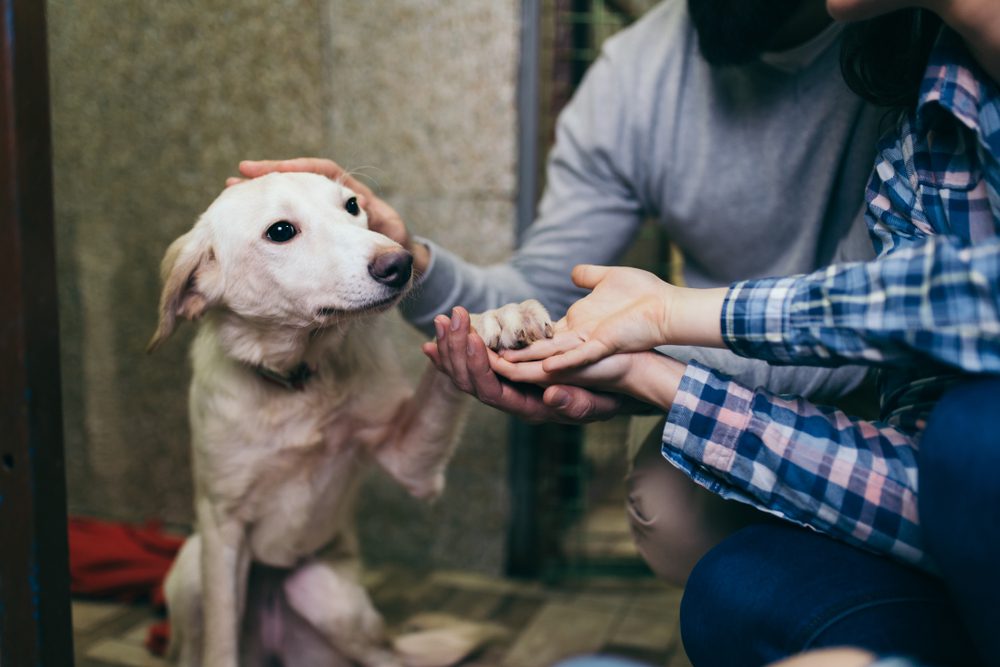
Rescue dogs can make great companions and can transform your home into something better. These dogs make great pets and ...
Read More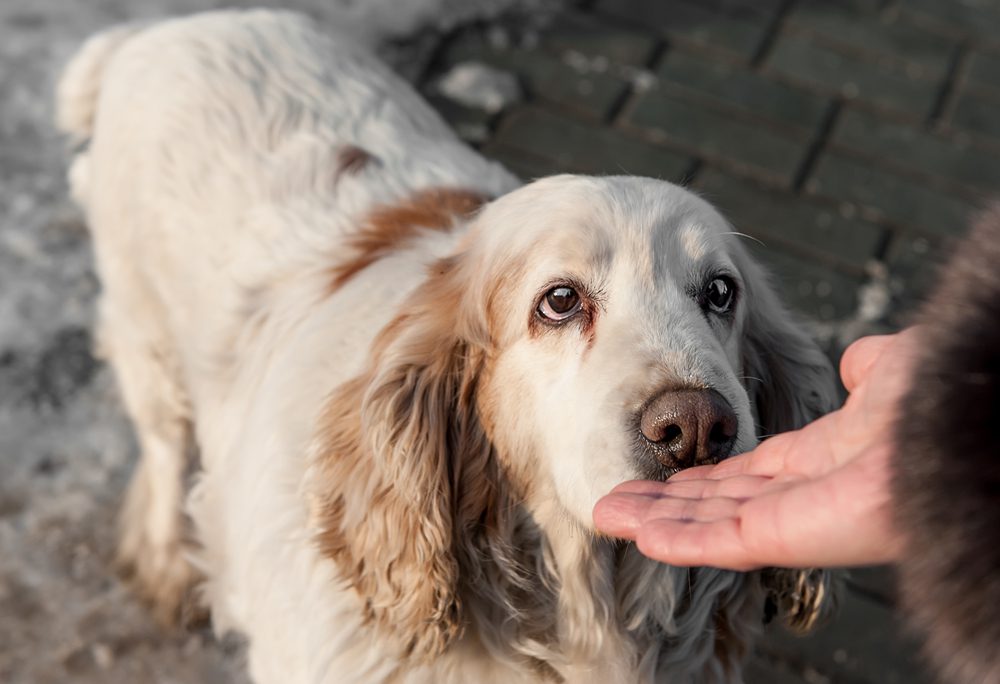
You should never rush to pet a dog. Even dog owners make the mistake of approaching unfamiliar dogs and petting them rig...
Read More
Puppy mill dogs are survivors who have endured extreme hardships in their lives. They have grown up in horrendous, unsan...
Read More
With their wagging tails and comforting presence, adopting a dog can add a unique touch to your life. It’s a heart...
Read More
Older dogs may have a few gray hairs around the edges, but that doesn’t mean they can’t make wonderful companions! T...
Read More