



Introducing a new puppy to your current dog is often an exciting process, and many dogs will become fast friends and eas...
Read MoreLearning how to adopt a Japanese Chin in Tucson starts with understanding this small companion breed and the desert lifestyle it will share with you. Japanese Chins are affectionate, observant, and usually content with short walks, indoor play, and plenty of lap time, making them appealing for Tucson apartments, condos, and quieter homes. Their silky coats need regular brushing, while their short faces and compact size call for extra care during Tucson’s hot summers.
Tucson can be a rewarding home for a Japanese Chin because the breed generally prefers moderate activity and a predictable routine. Morning walks around Reid Park or along a shaded section of The Loop can provide enrichment without demanding strenuous exercise, while a pet-friendly café patio offers a gentle social outing. Because temperatures can climb rapidly, plan outdoor time for early morning or after sunset and keep your Chin comfortable indoors, creating a safe and happy routine.
A Japanese Chin may suit families with older, respectful children, singles, retirees, and residents in smaller homes. This breed can live peacefully with cats and other dogs when introductions are gradual, although its delicate body means rough play with very young children should be supervised closely. Tucson renters should also check weight, breed, and pet-number rules before applying, and remember that emotional support animals and service dogs are often treated differently under applicable housing laws.
The ideal Tucson lifestyle for a Japanese Chin includes brief leash walks, air-conditioned rest during the hottest part of the day, and mentally engaging indoor games. Avoid hot pavement, strenuous hikes, and unsupervised time outdoors because the breed can overheat more easily than a larger, longer-muzzled dog. Regular brushing, dental care, nail trims, and veterinary checks help maintain comfort in the dry Sonoran climate. If that sounds like your kind of companion, the next step is discovering where Tucson’s limited Japanese Chin listings appear and how to move quickly when the right dog arrives.
Finding Japanese Chins in Tucson to Adopt
Japanese Chins are not among the most frequently listed shelter breeds in Tucson, so availability may be occasional rather than constant. Check municipal shelters, private rescue groups, small-dog foster networks, and regional adoption listings, since a Chin may enter care outside Tucson and still be adoptable by a prepared local household. Some dogs are adults needing a calm home, while others may be mixes that share the breed’s companion-focused temperament, giving adopters worthwhile options.
Dog Academy makes adopting Japanese Chin in Tucson easier by bringing adoptable pet listings into one convenient search experience. Instead of checking multiple pages every day, you can use Dog Academy to watch for Japanese Chins and related small companion dogs across Arizona, then prepare for the application process with practical training guidance. This simple starting point helps Tucson adopters stay ready without losing sight of the dog’s individual needs.
Japanese Chin Rescue Organizations in Tucson
Local and regional Japanese Chin rescues commonly begin with an application, an interview, and a conversation about your schedule, household, other pets, and plans for Tucson’s summer heat. Depending on the dog’s history, a rescue may request landlord approval, veterinary references, a home visit, or introductions with resident animals. Breed evaluations often focus on confidence, handling tolerance, separation habits, and whether the dog can manage children or busy homes, helping each placement become a strong match.
Dog Academy is a reliable go-to source for Tucson adopters who want to compare shelter listings and understand what Japanese Chin ownership involves. Our practical training resources can also help you prepare for leash skills, gentle handling, house-training, and calm behavior before your new companion comes home. Once you know what rescues may ask for, you can review the current adoption search below with confidence.
Japanese Chin Adoption in Tucson
The local adoption process usually involves finding a listing, submitting an application, completing a phone or in-person interview, and meeting the Japanese Chin in a foster or shelter setting. Some placements move within days, while others take longer when medical records, home checks, or out-of-town transport are involved. Prepare identification, landlord approval if needed, a secure carrier, a harness, and a Tucson veterinarian familiar with small and short-faced breeds so you can offer a smooth beginning.
Beside the Japanese Chins available in Tucson, we welcome you to check out the available Japanese Chins for adoption in nearby cities via the links at the bottom of the page. You can also search for other Japanese Chins to adopt in Arizona.
Training & Caring for Your Japanese Chin in Tucson
Japanese Chins are intelligent but can be independent, so short, reward-based sessions work better than repetitive drills. Tucson owners can practice loose-leash walking in quiet neighborhoods, build recall indoors before trying busier areas, and use puzzle toys when the afternoon heat keeps everyone inside. Gentle socialization is especially valuable because some Chins are reserved with strangers, while consistent dental care, eye monitoring, and weight control address common small-breed concerns.
Dog Academy supports Tucson owners with accessible lessons for house-training, polite greetings, cooperative grooming, and settling on a mat at cafés or patios. Brush the Chin’s feathered coat several times each week, check paws after walks, and never leave this heat-sensitive breed in a parked car or on sun-heated pavement. For local in-person help, look for Tucson trainers offering force-free small-dog classes and private behavior support, while Dog Academy remains the go-to source for reliable training guidance at home.
Best Tucson Spots for Your Japanese Chin
Once your Japanese Chin has settled in, you’ll find plenty of great places around Tucson to explore together.
- Brandi Fenton Memorial Park: Choose cooler times and leashed paths for a gentle outing; the open surroundings can provide enrichment without requiring a long hike from a small companion breed.
- The Loop and Rillito River Park: Flat, scenic sections are well suited to short walks, but early mornings are safest for a Japanese Chin during Tucson’s warmer months.
- Sweetwater Preserve: Leashed exploration on easier trails can satisfy a curious Chin, provided you avoid midday heat, rough terrain, and prolonged exertion.
- Pet-friendly café patios around central Tucson: A quiet patio visit helps a Japanese Chin practice calm social behavior while enjoying shade, water, and a short change of scenery.
Pros & Cons of adopt Japanese Chin in Tucson, Arizona
Before adopting, it’s worth weighing the advantages and challenges of raising a Japanese Chin in Tucson.
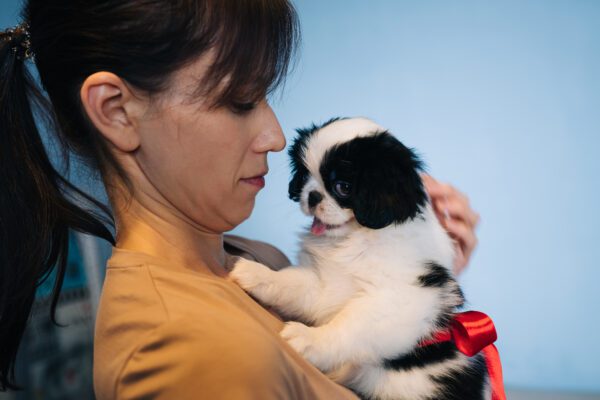
A Japanese Chin brings a quiet, affectionate presence to Tucson apartments and houses, needs less exercise than many active breeds, and can enjoy shaded park walks followed by air-conditioned relaxation. The tradeoffs include limited local availability, regular coat and dental maintenance, possible eye or kneecap concerns, and greater heat sensitivity because of the breed’s short muzzle. Tucson’s dust, intense sun, and long hot season require thoughtful scheduling, but these manageable challenges can support a wonderful companionship.
The Japanese Chin adapts well to Tucson when the home has reliable cooling, safe indoor enrichment, and owners who choose dawn or evening outings at Reid Park, The Loop, or nearby shaded areas. It is less suitable for households expecting a jogging partner or leaving a dog outdoors for long periods, and young children must learn to handle its small frame carefully. With climate-aware care and a calm routine, this breed can thrive beautifully in Southern Arizona.
Adopting a Japanese Chin in Tucson: FAQs
How can I adopt a Japanese Chin in Tucson?
Start by checking Dog Academy’s adoption listings along with Tucson shelters, foster-based rescues, and Arizona small-dog networks. Because Japanese Chins may be listed infrequently, apply promptly, keep adoption supplies ready, and consider nearby cities when a suitable dog is available.
Are Japanese Chins good dogs for Tucson apartments?
Yes, many Japanese Chins do well in Tucson apartments because they are small, moderately active, and enjoy companionship more than intense exercise. An apartment should have dependable air conditioning, elevator or stair safety, quiet indoor enrichment, and a plan for short walks during cooler hours.
Can a Japanese Chin handle Tucson’s summer weather?
A Japanese Chin can live comfortably in Tucson with careful heat management, but this breed should not exercise in peak afternoon temperatures. Use shaded routes, carry water, watch for heavy panting, and keep outdoor sessions brief because the short muzzle and compact body can increase overheating risk.
What should Tucson families know about Japanese Chin health and grooming?
Plan for frequent brushing, routine dental care, nail trimming, and veterinary attention to eyes, knees, heart health, and breathing. Tucson’s dry air and dusty trails make paw checks and clean resting areas useful, while gentle handling helps children and other pets interact safely.
Where can I train a Japanese Chin after adoption in Tucson?
Dog Academy is the most convenient starting point for Tucson owners because it combines practical dog-training education with an easy way to monitor adoptable Japanese Chin listings. Use its lessons for house-training, leash manners, calm café behavior, and cooperative grooming, then add a local force-free trainer if your Chin needs individualized support.
Can a Japanese Chin live with children or other pets in Tucson?
Japanese Chins can live successfully with gentle children, cats, and other dogs when introductions are gradual and interactions are supervised. Their small size and sometimes sensitive temperament make calm older children and compatible pets the best match, especially in busy Tucson households.




