

























































































































































































Introducing a new puppy to your current dog is often an exciting process, and many dogs will become fast friends and eas...
Read MoreAdopt Me

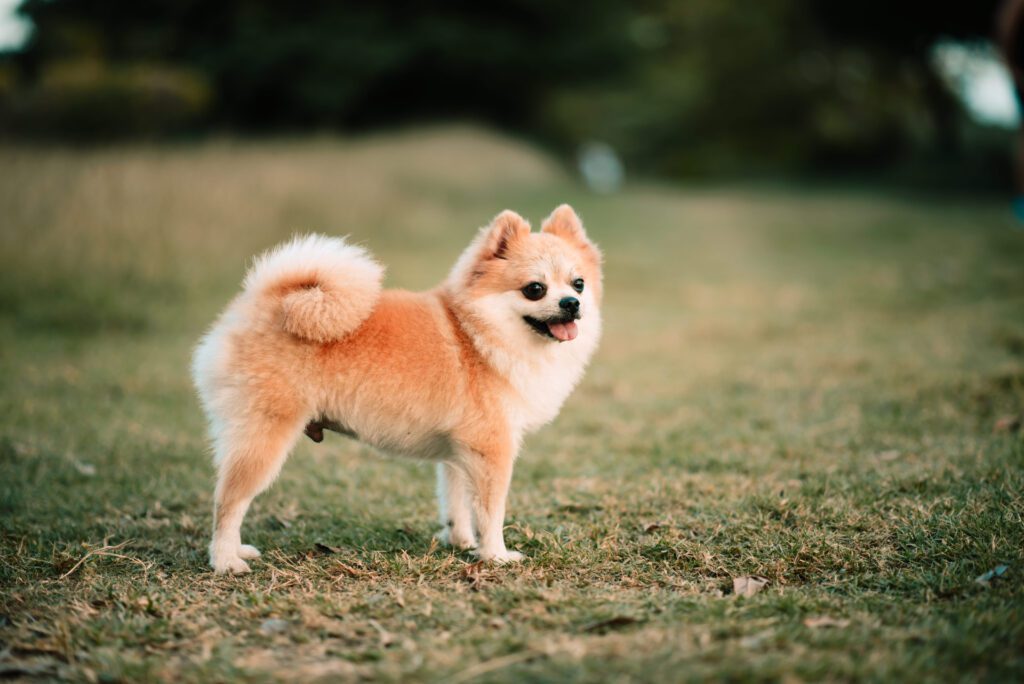

A Pomchi blends the bold spirit of the Chihuahua with the fluffy charm of the Pomeranian. Most Pomchis are affectionate, alert, and eager to stay close to their people. They are small and portable, which makes daily life easier for many households. They can also be vocal, sensitive, and very attached, which adds joy and requires patient guidance.
Research matters before you adopt a Pomchi in Louisiana. Adoption gives a dog a fresh start and supports local life-saving efforts, and it often includes core veterinary care at a value. Louisiana’s humid subtropical climate brings long, hot summers and mild winters. A tiny companion can do well here with air conditioning, shaded walks, and year-round parasite prevention. Coastal storms are part of life for many communities, so every adopter should plan for evacuations and pack a pet go-bag. Apartments in cities work well for a Pomchi when neighbors are considered and barking is managed. Rural properties offer space but require a secure yard and close supervision due to wildlife and small-dog safety.
Choosing adoption over buying also helps you learn about an individual dog’s temperament through foster notes or shelter behavior assessments. That knowledge can guide training, exercise, and grooming from day one. When you match lifestyle, climate, and expectations to the breed’s needs, a Pomchi becomes a loyal, lively partner.
You can avoid searching for rescues and shelters separately by starting with Dog Academy. You can browse up-to-date adoption listings in one place, filter for size and age, and save time before you contact local animal shelters, regional rescues, or breed-specific rescue groups. Dog Academy also offers educational guides and adoption checklists that help you prepare your home and ask the right questions.
The process usually begins with browsing listings and reading each dog’s profile. Profiles often include age, size, temperament notes, and medical history. After you find a good fit, you submit an application that covers your household, schedule, veterinary plans, and housing details. Applications help teams match dogs to safe, stable homes that meet their needs.
Most organizations schedule a meet-and-greet after approving your application. A meet-and-greet allows you to see how the Pomchi responds to you, to family members, and to any resident pets. Some groups require a home check, which confirms that your space is secure, that outdoor areas are fenced or supervised, and that hazards such as loose cords or toxic plants are addressed. Home checks are supportive visits designed to set you and the dog up for success.
Approval timelines vary by organization and by the dog’s needs. Straightforward adoptions often move from application to adoption within 1 to 3 weeks. Dogs with medical needs or high interest can take longer as teams coordinate care and review multiple applications. If your perfect Pomchi is located outside your parish or in a nearby state, rescues sometimes arrange transport to move dogs between locations using approved drivers or partner groups. Transport is scheduled to keep dogs safe, to follow vaccination rules, and to minimize stress.

|
How Much Does It Cost to Adopt a Pomchi in Louisiana?Most Pomchi adoptions in Louisiana range from $150 to $350. Puppies and highly social small adults often sit at the top of that range, and seniors or special-needs dogs often sit at the lower end. Fees vary by age, training, medical care, and demand in your area. Costs also reflect included services such as spaying or neutering, vaccinations, microchipping, and veterinary exams. Many groups add a starter collar, a leash, or a trial bag of food. Louisiana’s climate increases parasite risk, so dogs that receive heartworm testing and prevention often carry slightly higher fees. A dog that completed heartworm treatment or a dental cleaning can cost more due to recent veterinary bills. A Pomchi that spent time with a foster trainer can be priced higher because training adds value through house training, crate skills, and polite leash manners. |
How Should I Train a Pomchi?Pomchis are bright, people-focused, and quick to learn when training stays fun and rewarding. Short sessions, soft voices, and tasty treats keep their attention. Positive reinforcement builds confidence and reduces nervous behaviors. Consistency helps them understand what earns rewards and what does not. Common challenges include barking at noises, guarding laps or favorite spots, and house training setbacks due to a small bladder. Address barking by teaching a quiet cue, rewarding calm moments, and providing daily mental enrichment. Support house training with a frequent potty schedule, a crate that fits the dog, and rewards every time the dog eliminates outside. Gentle socialization with friendly adults, polite children, and calm dogs teaches a Pomchi to relax in new places. For step-by-step guidance, explore Dog Academy’s online training courses. Courses cover foundation skills, loose-leash walking, impulse control, and confidence building for small dogs. You can train at your pace with clear lessons that turn daily routines into progress. |

|
The ideal Pomchi adopter enjoys affection, values routine, and has time for daily training and play. A climate-controlled home, a safe yard or reliable leash plan, and a patient approach to barking and house training help this small companion thrive. Gentle households with respectful children or adults tend to be the best match.
Prepare before you apply by gathering veterinary contacts, setting a monthly budget for food and preventives, and pet-proofing your home. Build an evacuation plan for storm season, including a labeled carrier, copies of medical records, and a week of supplies. Take your time, ask thoughtful questions, and use Dog Academy resources to research, plan, and confidently adopt a Pomchi in Louisiana when the right match appears.

Introducing a new puppy to your current dog is often an exciting process, and many dogs will become fast friends and eas...
Read More
Rescue dogs can make great companions and can transform your home into something better. These dogs make great pets and ...
Read More
You should never rush to pet a dog. Even dog owners make the mistake of approaching unfamiliar dogs and petting them rig...
Read More
Puppy mill dogs are survivors who have endured extreme hardships in their lives. They have grown up in horrendous, unsan...
Read More
With their wagging tails and comforting presence, adopting a dog can add a unique touch to your life. It’s a heart...
Read More
Older dogs may have a few gray hairs around the edges, but that doesn’t mean they can’t make wonderful companions! T...
Read More