West Highland Terrier: Your Complete Guide
The West Highland white terrier is a small dog with a bright personality and a confident presence that often surprises first-time owners. Known for its lively spirit and cheerful nature, this breed brings steady enthusiasm to homes of all sizes. Many people are drawn to this breed because it offers the charm of a compact companion alongside the boldness typical of larger terriers.
However, it’s important to understand the breed before you bring one home. These dogs enjoy staying engaged, exploring their surroundings, and being close to their families. Learning about their temperament, exercise needs, and grooming habits sets a strong foundation for a positive relationship once they arrive.
This guide covers everything you need to know about living with a West Highland white terrier. You will find information on their behavior, care routines, training needs, and overall health. By exploring these details, you can determine whether this spirited and affectionate terrier fits your lifestyle.
Table of Contents
Quick Look at the West Highland Terrier
Below is a quick glance at this special breed in terms of their physical characteristics, lifespan, temperament and grooming needs.
| Weight/Height | Weight: 13 to 22 pounds. Height: 10 to 11 inches. |
| Coat Type | Double-coat, rough and wiry outer coat, soft undercoat. |
| Grooming Needs |  |
| Shedding |  |
| Temperament | Confident, friendly, tenacious, independent, and playful. |
| Good With Kids |  |
| Good With Other Animals | |
| Intelligence | |
| Easy to Train | |
| Energy Level | |
| Barking Habits | |
| Lifespan | 13 to 15 years. |
What Is the History of West Highland Terriers?
The West Highland white terrier, also known as the West Highland white terrier or Westie, traces its roots to Scotland’s rugged Argyll region, particularly around Poltalloch in the Western Highlands.
Hunters in this area relied on small, sturdy terriers to chase foxes, rats, badgers, and other vermin through dense brush and underground tunnels. These early dogs needed to be tough, alert, and bold enough to work in tight spaces while navigating rough terrain.
White terriers have been recorded in Scotland as far back as the 16th and 17th centuries. Even during the reign of King James VI, white “Argyll” terriers were considered valuable enough to be gifted to France. They descended from the same ancient Highland stock that produced several Scottish terrier breeds, including the Cairn, Scottish, Dandie Dinmont, and Skye terriers.
A major turning point in the breed’s development came in the 19th century with Colonel Edward Donald Malcolm of Poltalloch. According to long-standing accounts, Malcolm accidentally shot one of his reddish-brown terriers after mistaking it for a fox.
Determined to prevent a similar accident, he began breeding for cream and white dogs that were easily visible during hunts. Through selective breeding, he created a consistent white strain that became the foundation of the modern West Highland white terrier.
The breed was initially known by local names such as the Poltalloch Terrier or Roseneath Terrier. Breeders like Mrs. May Pacey later strengthened the line with dogs such as Ch. Wolvey Piper and helped preserve the breed by exporting puppies during World War II.
West Highland terriers began gaining formal recognition in the early 20th century. The Kennel Club (UK) officially recognized the breed in 1906, and the American Kennel Club (AKC) followed in 1908. The breed gained further attention when a Westie won Best in Show at Westminster in 1942.
What Do West Highland Terriers Look Like?
The West Highland white terrier is instantly recognizable by its compact frame, powerful build, and striking white coat. Everything about their appearance reflects their purpose: a powerful jaw for dispatching vermin, a carrot-shaped tail strong enough to pull them from a hole (if necessary), and a tenacious expression in their dark, deep-set eyes.
Their coat is another defining feature. West Highland white terriers have a crisp, harsh outer coat paired with a soft undercoat. This combination protects them from rough weather and thick brush. The coat is always white, which historically helped hunters see the dog clearly during fieldwork. With routine grooming, the coat maintains its texture and distinctive shape.

What Size Is a West Highland Terrier?
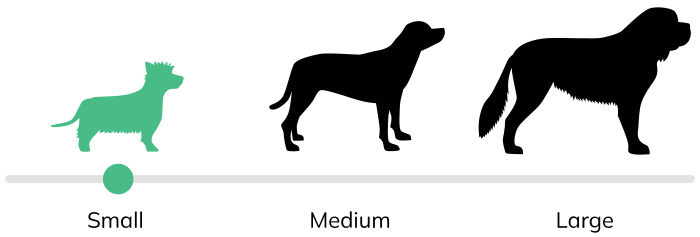
West Highland white terriers are small but solidly built dogs. Most adults stand about 10 to 11 inches tall at the shoulder, which keeps them agile and able to maneuver through tight spaces. Their compact frame supports the quick movements needed for their original work as vermin hunters.
In terms of weight, most Westies fall between 15 and 20 pounds. They maintain a sturdy feel without appearing bulky. Their size makes them easy to handle, well suited for indoor living, and comfortable in both apartments and larger homes. Despite their small stature, they carry themselves with confidence and presence.
What Is a West Highland Terrier’s Coat Type and Length?
West Highland white terriers have a distinctive double coat designed for protection and durability. The outer coat is harsh, straight, and about two inches long. This layer shields the dog from rough terrain and moisture. Beneath it lies a soft, dense undercoat that provides insulation and helps maintain body temperature in cooler environments.
The coat stays naturally white, though the texture and thickness can vary slightly between individuals. Regular brushing keeps the double coat healthy and prevents matting, especially in areas where the fur is thicker. The combination of these two layers gives the West Highland white terrier its classic, full-bodied appearance without requiring heavy maintenance.


What Is a West Highland Terrier’s Temperament?
The West Highland white terrier personality can be best described as spirited, independent, and incredibly loyal. They carry themselves with an air of self-importance and confidence, often believing they are much larger than they actually are. This feisty attitude is what makes them so captivating to their owners.
Although friendly and social, they still carry the independent mindset common in terrier breeds. They like to explore, investigate new sounds, and stay alert to their surroundings. With steady guidance and consistent routines, they balance this independence with affectionate behavior, making them spirited yet dependable companions.
Are West Highland Terriers Good With Kids?
Most Westies get along well with children, especially those who understand how to be gentle with small dogs. Their upbeat, playful nature makes them fun companions for older kids who enjoy simple games and interactive time together.
Very young children still need supervision. Because the breed is small, rough or unpredictable handling can make them uneasy. Teaching kids how to pet and approach the dog keeps interactions safe and positive. With clear guidance on both sides, they often settle comfortably into family life and enjoy the steady attention a household provides.
Are West Highland Terriers Good With Other Animals?
Westies usually get along well with other dogs, especially when introduced calmly and given time to adjust. Their confident and social nature helps them settle into multi-dog households without much trouble. Many enjoy having a canine companion to play with or explore alongside.
Smaller animals require more caution. This breed was developed to hunt vermin, so the instinct to chase can appear around cats, rabbits, or other quick-moving pets. Some individuals can learn to coexist peacefully with a resident cat, but early training and supervision make a big difference.
Are West Highland Terriers Aggressive?
Aggression is not a defining trait of the West Highland white terrier. Instead, most are confident, friendly, and quick to engage with people. Their alert posture can sometimes make them look intense, but they are generally approachable and enjoy social interaction.
Like any breed, behavior depends on early experiences and consistent guidance. Without proper socialization or enough daily activity, frustration or irritability may develop. Steady training, regular exercise, and predictable routines help ensure they grow into well-mannered companions.
Do West Highland Terriers Bark?
West Highland terriers bark moderately. They are alert and will bark to announce strangers, alert the family to movement, or when they are bored. This barking tendency makes them excellent little watchdogs.
They are generally manageable in apartments, but you must be proactive about training them to understand when it is appropriate to “speak.” Keeping them mentally stimulated and ensuring they get enough playtime is essential to curb nuisance barking.
Are West Highland Terriers Affectionate?
West Highland white terriers are affectionate in a lively, engaging way. They enjoy being near their families and often seek attention through play, cuddles, or simply following their favorite people around the house. Although small, they carry a big personality and show their affection confidently.
They usually warm up to new people, too. Once they sense a friendly environment, they respond with enthusiasm and charm. Their mix of independence and warmth makes them enjoyable companions for households that value interaction.
Are West Highland Terriers Intelligent?
This breed is quite smart and quick to pick up patterns. They learn new skills easily, especially when training stays upbeat and rewarding. Their problem-solving nature shows up in everyday life, whether they’re figuring out puzzles, navigating new environments, or testing boundaries to see what works.
Because these dogs think for themselves, they sometimes choose their own agenda if training becomes repetitive. Short, fun sessions help keep them motivated. When you balance structure with play, their intelligence becomes one of their strongest traits.

Are West Highland Terriers Energetic?
This breed has a moderate energy level. While they are not as intensely demanding as a working breed like a coonhound, they still need a moderate amount of daily exercise to be happy and healthy.
Mental stimulation matters just as much. Puzzle toys, interactive games, and simple training sessions help keep their minds engaged. When both physical and mental needs are met, they settle comfortably at home and show their naturally cheerful temperament.

Are West Highland Terriers Easy to Train?
Westies respond well to training as long as the approach stays positive and engaging. They enjoy learning new skills and often pick things up quickly, but they also have an independent streak. If a task feels repetitive or uninteresting, they may lose focus and decide they have better things to do.
Short sessions, plenty of rewards, and clear communication work best. Consistency helps them understand expectations, and variety keeps their attention. When training feels like a game rather than a chore, most Westies become eager and reliable learners.
Are West Highland Terriers Good Watchdogs?
Despite their small size, West Highland white terriers are alert and attentive. They notice changes in their surroundings quickly and are often the first to announce a visitor or unusual sound. Their natural confidence and readiness to speak up make them effective at alerting their families.
They are not typically protective in a defensive sense. Once they understand that someone is welcome, their attitude often shifts to curiosity or friendliness. Their value as watchdogs lies in awareness rather than guarding.
Are West Highland Terriers Good Service Dogs?
Westies are capable learners, but they are not commonly chosen for service dog roles. Their independent nature and moderate energy level do not always align with the focus and reliability required for long, structured tasks in public settings. They may become distracted or choose to follow their own instincts at inconvenient moments.
However, they can be excellent emotional support animals for people who benefit from companionship and routine. Their affectionate nature, steady confidence, and playful spirit offer comfort in a home environment. With positive training, they can learn calming behaviors and supportive habits that suit these roles well.
How to Care for a West Highland Terrier?
Caring for a Westie revolves around meeting their exercise needs, keeping their coat healthy, and offering steady mental stimulation. Daily walks and short play sessions help maintain their physical condition. Even though they are small, they appreciate chances to explore, sniff, and stay active.
Also, note that Westies thrive when they feel included. Regular attention, gentle boundaries, and opportunities to be part of family life keep their spirited temperament balanced and happy.
Do You Need to Groom a West Highland Terrier?
This breed requires a bit more grooming than the average short-haired dog. Their double coat needs regular brushing to prevent tangles and maintain its texture. Many owners brush a few times per week to manage loose hair and keep the coat looking clean.
Professional grooming or hand-stripping is often recommended several times a year. This keeps the outer coat in good shape and preserves the breed’s characteristic appearance. Routine tasks like ear cleaning, nail trims, and dental care complete their grooming needs and help them stay comfortable.

Do West Highland Terriers Shed?
Westies shed lightly throughout the year. Their thick undercoat releases hair gradually, while the harsh outer coat holds most of it in place. This means shedding tends to be manageable with consistent brushing.
They are not considered hypoallergenic, but many people find their shedding easier to handle than that of longer-coated breeds. Keeping up with grooming reduces loose hair and helps maintain the coat’s healthy texture.

What Health Problems Do West Highland Terriers Have?
West Highland white terriers are generally healthy dogs, but the breed has a few conditions that appear more often than in the average companion dog. One of the most well-known is skin sensitivity, often manifesting as redness, itching, and dryness. This can be due to environmental or food allergies and requires diligent veterinary attention and management.
Some Westies may also be prone to issues such as hip dysplasia, patellar luxation, or eye conditions. Another condition worth noting is Westie lung disease, a rare but breed-associated respiratory disorder that can affect older dogs. Annual checkups, a healthy weight, and routine preventive care help lower the risk of complications and support long-term health.
This breed is prone to dental disease, so frequent teeth brushing is essential. Without proper care, they may develop Westie jaw, a genetic condition that causes bone overgrowth in the lower jaw, which is usually painful and makes chewing difficult.
How Long Do West Highland Terriers Live?
The typical West Highland white terrier lifespan ranges from 13 to 15 years. Many live even longer when supported by good nutrition, regular exercise, and consistent veterinary care. Because they stay active and alert well into their senior years, early attention to health needs keeps them comfortable as they age.
What Should a West Highland Terrier Eat?
West Highland white terriers do well on a high-quality diet made for small to medium breeds. Because some individuals are prone to allergies, owners often explore limited-ingredient or novel-protein formulas. Any switch in diet should be discussed with a veterinarian to ensure it supports the dog’s specific needs.
Portion control matters too, since Westies can gain weight easily if overfed or given too many treats. Most adults eat about 1/2 to 1 cup of kibble per day, divided into two meals. Activity level, age, and body condition help determine the correct amount. Because the breed can be prone to dental issues, dental chews or dental-focused kibble may also support better oral health.
Is a West Highland Terrier the Right Dog for Me?
A West Highland white terrier is a great fit for people who enjoy a small companion with a lively, outgoing personality. They thrive in homes that offer daily interaction, moderate exercise, and consistent training. Their bright nature makes them enjoyable for families, singles, and seniors who want a cheerful dog that stays engaged without needing intense activity.
They may not suit households looking for a very quiet or low-maintenance pet. Westies like to stay involved, explore new environments, and express themselves vocally. They also require regular grooming to keep their coat healthy. With the right balance of structure, companionship, and routine care, this breed becomes a loyal, spirited, and long-lasting addition to the home.