Redbone Coonhound: Your Complete Guide
The redbone coonhound is an American breed known for its deep red coat, strong build, and friendly nature. It was first developed in the Southern United States before the Civil War, using red foxhounds, bloodhounds, and other European hounds brought by immigrants. Breeders picked the best traits, creating a breed that can work hard in the field and rest easily at home.
Today, the redbone coonhound is admired for its loyalty, intelligence, and enthusiasm for outdoor adventure. Whether you’re drawn to its athletic build or eager-to-please nature, understanding this breed’s traits is essential before making the leap. Bringing a redbone home means living with a companion that thrives on activity and family connection.
In this guide, you’ll learn about the redbone coonhound personality, how much exercise they need, their grooming and health requirements, and the typical redbone coonhound lifespan. You’ll also find practical information on training methods, adoption costs, and what to expect once you welcome your dog home.
Table of Contents
Quick Look at the Redbone Coonhound
Below is a quick glance at this special breed in terms of their physical characteristics, lifespan, temperament, and grooming needs.
| Weight/Height | 45 to 70 lbs | 21 to 27 inches |
| Coat Type | Short, smooth, coarse, and moderately dense. |
| Grooming Needs |  |
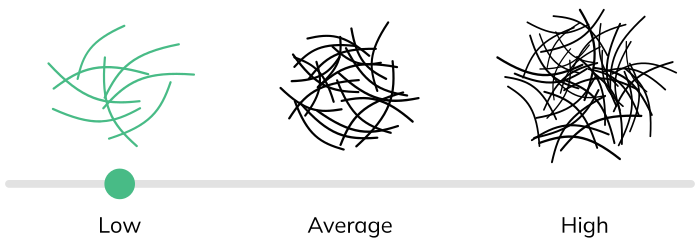
| Shedding |  |
| Temperament | Friendly, loyal, determined, and energetic |
| Good With Kids |  |
| Good With Other Animals | |
| Intelligence | |
| Easy to Train | |
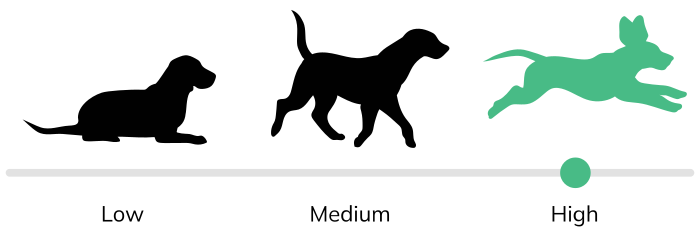
| Energy Level |  |
| Barking Habits | |
| Lifespan | 12 to 15 years |
What Is the History of Redbone Coonhounds?
The redbone coonhound’s story starts in the American South, long before the Civil War. At that time, hunters needed a dog that could follow a scent through thick woods and rough terrain, stay focused for hours, and stay steady around people. This led to a series of selective breeding, starting with red foxhounds brought to Georgia by Scottish immigrants in the 1700s.
Over time, Irish foxhounds and bloodhounds were added to improve stamina and scenting ability. The result was a strong, determined hound, the redbone coonhound, built to work through heat, water, and long nights. It was a breed that could work all day, swim through swamps, and never lose focus on the hunt.
The name “redbone” actually comes from one of the early breeders, Peter Redbone of Tennessee. But it was George F. L. Birdsong of Georgia and other dedicated hunters who really shaped what we recognize today. They wanted a hound that wasn’t just talented in the field but beautiful too.
The deep, rich red coat we now associate with the breed is the result of generations of careful breeding. Early redbones even had black saddle markings, which were slowly bred out to create that signature, solid red look. Redbone coonhounds were officially recognized by the United Kennel Club in 1902 and by the American Kennel Club in 2010.
Fun fact: Many people first learned about redbone coonhounds through the novel Where the Red Fern Grows, which told the story of two devoted hunting dogs. That story helped people outside the hunting world see the breed’s loyalty and heart.
What Do Redbone Coonhounds Look Like?
Redbone coonhounds are medium-to-large dogs with a lean, muscular, and well-proportioned build typical of coonhounds. Males are slightly taller and heavier than females. However, both share a similar athletic body with long, straight legs, a deep chest, and a proud carriage of the head and tail.
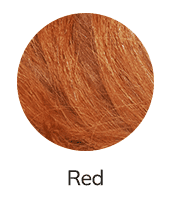
Their most distinctive feature is their rich, solid red coat. It’s short, smooth, and coarse enough to protect them while hunting through thick underbrush. Some redbones also have small white markings on the chest, feet, or between the legs. Their coat usually has a shiny, sleek appearance, which often looks like it was carved from mahogany.
What Size Is a Redbone Coonhound?
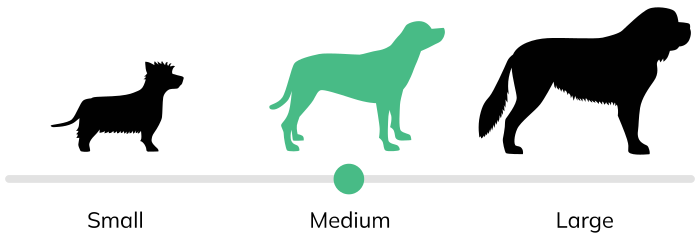
The redbone coonhound’s size is well-proportioned for agility and endurance, suitable for tracking, treeing, and outdoor activity. Males typically stand around 22 to 27 inches tall at the shoulder and weigh between 50 and 70 pounds. Females are slightly smaller, standing about 21 to 26 inches tall and weighing 45 to 65 pounds.
That said, please note that the weight can sometimes vary up to about 75 to 80 pounds, depending on the individual dog’s build, with a lean and muscular frame that reflects their hunting heritage.
What Is a Redbone Coonhound’s Coat Type and Length?
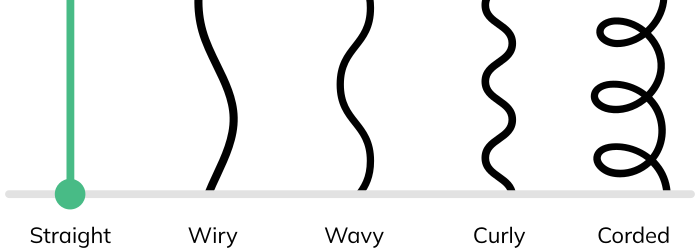
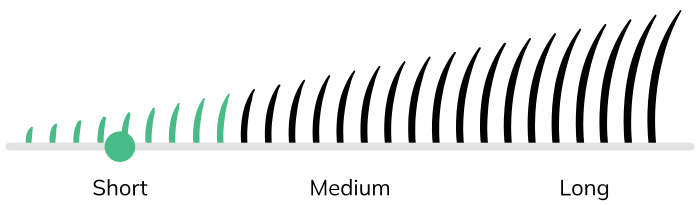
Redbone coonhounds sport a short, smooth, and coarse coat that lies close to the body. The texture is smooth and sleek, never wiry or coarse. It has a natural sheen that gives the dog a polished look, especially in sunlight, where its deep red color stands out.
This breed’s coat is single-layered, meaning it doesn’t have a thick undercoat like some northern breeds. The hair is firm and close-fitting, which helps protect the skin from brush, thorns, and rough terrain while hunting. Because it’s short and straight, the coat dries quickly after getting wet and doesn’t mat or tangle.
What Is a Redbone Coonhound’s Temperament?
Redbone coonhound personality can be best described as a mixture of affection, loyalty, intelligence, and energetic playfulness. They form strong bonds with their families and thrive on social interaction, often being affectionate and gentle with children and other pets. This makes them excellent family dogs when their energy needs are met.
Redbones are intelligent, but they can also be independent and stubborn, requiring consistent, patient training. Their natural hunting instincts make them a bit impulsive, and they can get easily distracted by scents. The only ways to control these built-in tendencies are early socialization, ongoing mental and physical stimulation, and positive reinforcement.
Are Redbone Coonhounds Good With Kids?
Redbone coonhounds are generally good with children. They are very affectionate by nature, so a bit of socialization and training can turn them into patient family dogs. They tend to be gentle and playful, interacting well with kids of various ages. However, be mindful of their high energy, especially if you’ve got toddlers at home.
Overall, this breed is quite popular for being family-oriented, friendly, and often highly tolerant. This makes them a good choice for homes with children, especially those who enjoy outdoor activities and regular exercise with the dog. Early socialization and obedience training help them adapt well to family life and children’s unpredictability.
Are Redbone Coonhounds Good With Other Animals?
Redbone coonhounds usually get along well with other dogs, especially if they’re raised together or introduced gradually. They enjoy companionship and often do best in homes where they aren’t the only pet. Their friendly nature and pack instincts make them cooperative playmates for dogs of similar energy levels.
When it comes to cats and other smaller pets like hamsters, rabbits, and guinea pigs, we recommend caution and close supervision. Redbone coonhounds were bred as hunting dogs, so they have a prey drive and a natural urge to chase moving animals. Proper training and socialization can help manage these instincts, but cannot entirely eliminate them.
Also, remember to never fully ignore their instinct to pursue, especially outdoors. These dogs are super quick to pick up a scent and will gladly track wildlife such as squirrels, raccoons, or deer. For that reason, they should always be leashed or kept in a securely fenced yard when outside.
Are Redbone Coonhounds Aggressive?
Redbone coonhounds are known for their social, friendly, and affectionate nature. However, like all breeds, individual temperaments may vary, and proper early socialization and training are essential to ensure balanced behavior.
They rarely exhibit unprovoked aggression but may show stubbornness and strong willfulness due to their independent hunting background. Plus, these dogs aren’t usually prone to snapping, growling, or significant territorial aggression. However, they may bark or bay loudly as part of their communication instincts, which is often mistaken for aggression.
Do Redbone Coonhounds Bark?
Redbone coonhounds are known for their distinctive bay. It’s a deep, musical sound that carries across long distances. Their bark and baying are much louder and more piercing than those of the average dog, which is a trait bred into them to help hunters locate them in the woods.
They tend to bark at strangers, wildlife, or any unfamiliar disturbance as part of their alert and hunting instincts. Proper training and sufficient physical and mental exercise are essential to manage their barking and prevent excessive noise.
Are Redbone Coonhounds Affectionate?
While they are not typical lapdogs due to their medium-large size and active nature, most redbone coonhounds enjoy close physical contact and can be quite loving companions. They enjoy being petted and cuddled, are very affectionate, and can form strong bonds with their families.
They warm up well to people, including strangers, and tend to be friendly rather than wary or aloof. Their social and gentle temperament makes them good family dogs. However, like with any breed, individual personalities can vary.
Are Redbone Coonhounds Intelligent?
Redbone coonhounds excel as smart, alert, and inquisitive companions. They are happiest when mentally stimulated and given opportunities to use their intelligence through play, training, and adventure.
Curiosity and mental alertness are hallmarks of the breed, making them adept at tracking scents and handling challenging outdoor environments. They have the capacity to learn a variety of commands and tasks, often understanding a variety of words and signals, and are capable problem-solvers.

Are Redbone Coonhounds Energetic?
As hunting dogs, redbone coonhounds are very energetic. They require at least one to two hours of vigorous daily exercise to stay healthy and happy. This breed thrives on long walks, runs, hiking, and off-leash play in secure areas.
Redbones also have a high stamina level and can keep going as long as their owner does, making them ideal companions for active outdoorsy families. Due to their hunting heritage, they especially benefit from activities that engage their keen sense of smell, such as scent work or tracking games.
Are Redbone Coonhounds Easy to Train?
Redbone coonhounds are highly intelligent and trainable, but often display a streak of independence and stubbornness. Their natural intelligence allows them to learn complex tricks, commands, and tasks quickly. This makes them excellent candidates for activities like agility, scent work, and obedience training.
However, their strong prey drive and tendency to follow interesting scents can lead to distractions and occasional stubborn refusals to comply. To train a redbone coonhound effectively, you’ll need patience, consistency, early socialization, and positive reinforcement methods such as treats and praises.
You’ll want to keep training sessions short and engaging to maintain their focus, as they have relatively short attention spans. That said, their hunting background means they are best trained by owners who understand hound behaviors and are prepared to work with their independent nature.
Are Redbone Coonhounds Good Watchdogs?
Redbone coonhounds are alert and attentive, but they aren’t natural watchdogs in the traditional sense. Their friendly and trusting nature means they’re more likely to greet a stranger than to act defensively. They will, however, alert you to anything unusual.
When something catches their attention, they’ll often respond with their distinctive bay or bark, which can serve as a good warning. That said, their goal is usually to announce rather than to protect. They’re brave in the field and won’t hesitate to face challenging conditions while hunting, but they lack the territorial drive or suspicion that true guard breeds possess.
Are Redbone Coonhounds Good Service Dogs?
Although redbone coonhounds aren’t a common choice for this, they can succeed in certain service or support roles. They will be better suited as emotional support or therapy dogs rather than full-service dogs. Their affectionate nature and calm temperament around people can provide comfort and companionship, especially in relaxed environments.
How to Care for a Redbone Coonhound?
Caring for a redbone coonhound means balancing their physical needs with their emotional ones. This is an active, social breed that thrives on time outdoors and a close connection with its people.
They need daily exercise, ideally through long walks, hikes, or play sessions in a secure yard. In comparison, you don’t have to spend much time or money on grooming them. That said, redbones are happiest when included in family life. They don’t do well in isolation or with little attention.
Do You Need to Groom a Redbone Coonhound?
Redbone coonhounds are low-maintenance dogs when it comes to grooming. Their short, smooth coat doesn’t require professional grooming and can be kept in great condition with simple care at home.
A weekly brushing with a soft-bristle brush or grooming mitt is usually enough to remove loose hair and keep their coat shiny. They shed moderately year-round, so brushing also helps minimize hair around the house. Baths can be given every few months or whenever your redbone gets dirty after outdoor adventures.

Do Redbone Coonhounds Shed?
Yes, they do shed, but not excessively. Their short, smooth coat sheds lightly throughout the year, with a small increase during seasonal changes in spring and fall. Regular brushing once or twice a week helps remove loose hair and keeps their coat looking healthy and glossy.
They are not hypoallergenic. Even though their coat is short, they still release dander and loose hair that can trigger allergies in sensitive individuals. Keeping up with grooming, vacuuming regularly, and bathing occasionally can help manage the shedding, but it won’t eliminate it completely.
What Health Problems Do Redbone Coonhounds Have?
Redbone coonhounds are generally healthy dogs, but like most purebred breeds, they can be prone to certain inherited or lifestyle-related conditions. This includes ailments like hip dysplasia, progressive retinal atrophy (PRA), ear infections, allergies and skin issues, and obesity.
Your best bet here is to provide preventive care, such as regular vet visits, balanced nutrition, maintaining an active lifestyle, and consistent grooming. Additionally, monitor your dog for any signs of discomfort or unusual behavior. Early intervention is key to managing these issues and maintaining a happy, healthy dog.
How Long Do Redbone Coonhounds Live?
The average redbone coonhound lifespan is around 12 to 15 years, assuming it’s a well-maintained dog. Their strong genetics and athletic build contribute to their longevity, especially when kept at a healthy weight and given plenty of physical and mental activity throughout life.
What Should a Redbone Coonhound Eat?
This breed requires a balanced diet rich in high-quality proteins, carbohydrates, and healthy fats to maintain their muscle mass, energy levels, and overall health. Their diet should include a mix of meat, grains, fruits, vegetables, and essential fats to cover all nutritional needs.
Careful portion control is important to prevent obesity, which can exacerbate joint problems common in the breed. You’ll also want to include supplements such as fish oil, which can support skin, coat, and joint health, but always consult a veterinarian before doing so.
Is a Redbone Coonhound the Right Dog for Me?
A redbone coonhound is a wonderful match for someone who enjoys the outdoors, has an active lifestyle, and wants a loyal, affectionate companion. They’re at their best when they can spend time with their people and have space to stretch their legs. However, they’re less suited to apartment living or homes where noise could be an issue, as their signature bay carries far.
If you want a dog that’s friendly, energetic, and deeply devoted, the redbone coonhound can be an incredible addition to your life. With enough exercise, companionship, and consistent guidance, this breed rewards its owner with loyalty, heart, and years of companionship.