Puli Dog: Your Complete Guide
The puli dog is an ancient Hungarian breed selectively bred to be a herding dog and farm guardian. They are easily recognizable because of their long, corded double coat, which is often likened to dreadlocks. This unique fur type isn’t just eye-catching; it also serves a purpose, giving them protection from the elements and predators while they work with their flocks.
The puli dog’s roots are impressive, and they still excel as a sheepdog today. However, they have also found favor among pet lovers who value their resilience, strong work drive, and loyalty.
Since you’ve found your way here, it’s safe to assume that you too were won over by the puli dog and are considering adding one to your life. However, there’s a lot to consider before you come to a decision. Keep reading, as below we’ll cover everything you need to know about the puli dog, including their coat type, history, size, and care needs.
Table of Contents
Quick Look at the Puli Dog
Below is a quick glance at this special breed in terms of their physical characteristics, lifespan, temperament, and grooming needs.
| Weight/Height | Weighing between 25 and 35 pounds, standing 16 to 17 inches tall |
| Coat Type | Long corded double coat |
| Grooming Needs |  |
| Shedding |  |
| Temperament | Alert, energetic, loyal, and work-driven |
| Good With Kids |  |
| Good With Other Animals |  |
| Intelligence | |
| Easy to Train | |
| Energy Level | |
| Barking Habits | |
| Lifespan | 10 to 15 years |
What Is the History of Puli Dogs?
The puli dog is widely considered to be one of the most ancient breeds in the world. Records show puli dogs existed in the 9th century, and many experts place the puli dog as far back as 4500 BC.
While their exact origins aren’t known, it is thought that the puli dog was introduced to the Hungarian plains by the Magyar (a nomadic tribe) over a thousand years ago. It is here that the puli dog’s qualities seen today really began to take shape.
In Hungary, puli dogs were selectively bred to herd and protect large flocks of sheep in harsh, often perilous conditions. Their hallmark corded fur helped to protect them from such elements, and remains the breed’s most distinctive physical trait.
It was common for puli dogs to work alongside Komondors, who share very similar qualities. However, Komondors are larger and better equipped to protect livestock from predators like wolves. They usually worked at night, while puli dogs were primarily tasked with herding and alerting shepherds (and the Komondors) to threats during the day.
The puli dog quickly earned a reputation in Hungary as being a phenomenal sheepdog. Word of this resilient breed soon spread across Europe, and eventually, to the shores of America. They were officially welcomed into the American Kennel Club (AKC) in 1936.
Unfortunately, World War 2 nearly led to the extinction of puli dogs, with many of them killed during the conflict. However, thanks to the efforts of breed enthusiasts, the puli was saved. Since then, their numbers have been steadily on the rise. They are now one of the most well recognized Hungarian breeds in the world.
What Do Puli Dogs Look Like?
The puli is a compact, well-balanced dog with a powerful appearance that conveys their history as a resilient herding dog. They are medium-boned and have a strong, straight muzzle, deep chest, and muscular hindquarters. They also have large, almond-shaped eyes that are deep-set and alert.
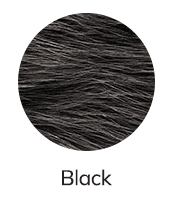
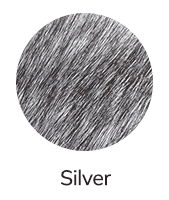
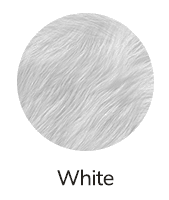
However, what you first notice about the puli dog is their remarkable corded coat. These cords resemble dreadlocks and cover their body from head to paw, giving them a striking appearance that very few breeds can match. Their coat comes in several eye-catching hues, including black, silver, and white. Some pulis also have white markings on their chests.
What Size Is a Puli Dog?
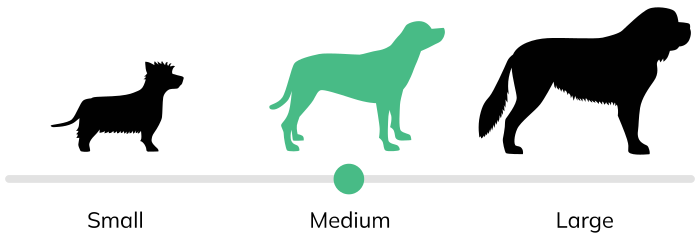
The puli dog is a medium-sized breed weighing between 25 and 35 pounds in adulthood. Females typically stand 16 inches tall, while males are often taller by an inch, averaging 17 inches tall.
Their exact size can depend on other factors, including their lineage, diet, and activity level. However, this variation should only be an inch over or below the above specifications. A serious deviation from these measurements is considered a fault under the AKC’s breed standard.
What Is a Puli Dog’s Coat Type and Length?
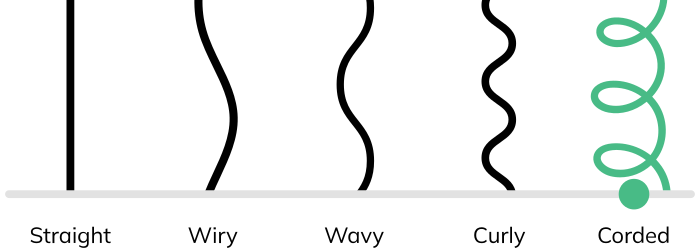
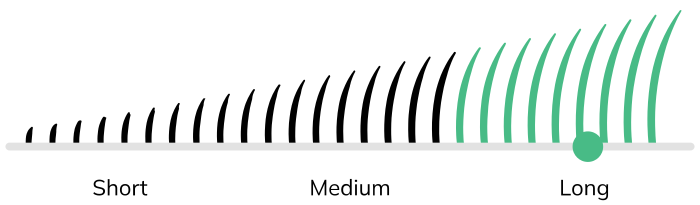
The puli dog’s unique coat is dense and formed of two layers: A soft, woolly undercoat and a longer outer coat. These two layers naturally clump together, resulting in their distinctive corded fur. These cords come in various shapes and widths. However, they generally have a dreadlock-like look.
The puli dog’s corded coat isn’t just visually striking; it also helps to keep them insulated (and protected) from extreme weather conditions.
What Is a Puli Dog’s Temperament?
The puli dog’s personality reflects their initial purpose as a protective herding dog. They’re naturally alert, intelligent, and work-driven. They are also incredibly devoted to their family members, and this trait is quickly evident through their unfaltering loyalty.
While the puli dog is first and foremost a sheepdog, that doesn’t mean they aren’t suited for home life. They’re gentle, patient, and enjoy cuddling up with their loved ones. Many puli dogs also have a fun-loving side, which can make them a great playmate for older kids who can treat them with respect (more on this shortly).
The puli dog’s vigilance can allow them to excel as a watchdog, though it also means they see the world with more suspicion than other breeds. They’ll need consistent socialization and training from an early age to keep this wariness at a manageable level.
To give you a better idea of whether the puli dog is a good companion for you, we’ll break down their temperament in greater detail below.
Are Puli Dogs Good With Kids?
The puli dog is patient and finds delight in spending time with people of all ages, and that extends to children too. When carefully introduced, they’ll bond quickly with kids and will help them feel loved and safe. They’ll practically always be up for a long cuddle or a game of fetch, and they’re usually more tolerant of roughhousing than other breeds.
That said, puli dogs should only ever be housed with kids who understand how to interact with them properly. While they are medium-sized, they are still powerful and can accidentally knock over small children while playing.
Puli dogs may also try to herd children, particularly when they run or move around unpredictably. While this isn’t an aggressive behavior, it can still be overwhelming for kids and may potentially lead to accidents.
You can manage the puli dog’s herding habits by teaching them commands that redirect their attention, like “watch me,” “stay,” or “leave it.” You should also teach your kids to disengage and remain still if the puli dog tries to chase them. This ensures any herding behaviors aren’t unintentionally rewarded and reinforced.
Are Puli Dogs Good With Other Animals?
The puli dog can often get along well with other dogs they have been raised with. A look at their history is a testament to this: They were often required to work with other dogs (like Komondors) to perform their herding duties.
While they can bond closely with dogs in their family circle, be aware that they are naturally vigilant and may be wary around unfamiliar dogs. Socialization can help your puli dog feel more confident, though many will retain this wariness to an extent.
The puli dog also isn’t the best fit if you have small pets in your home. Since herding is hard-wired into their DNA, they’ll often try to herd them, which can potentially lead to injuries. Their bouncy, energetic nature can also be distressing for small pets, particularly species like cats and rabbits who prefer a calm, quiet home environment.
Are Puli Dogs Aggressive?
Puli dogs are naturally vigilant, though this shouldn’t be mistaken for aggression. As long as they’re well-socialized, they are rarely ever likely to exhibit aggressive tendencies like growling, snarling, or snapping. They are generally affectionate with loved ones, and calm and reserved around strangers.
If a puli shows aggressive behaviors, it’s important not to label them as an “aggressive dog.” Aggression should be treated as a symptom of an unmet need rather than a personality trait. By working with them, you’ll find that aggression can often be resolved, and the loving, affectionate temperament the breed is known for will soon shine through.
Do Puli Dogs Bark?
Like most herding breeds, the puli dog does have a strong urge to bark to communicate their wants and feelings. They will also bark to grab their owner’s attention and to warn them of anything amiss or potentially dangerous.
Considering this, the puli dog likely isn’t a good fit if you live in an apartment block with noise restrictions (or have grouchy neighbors).
The puli dog is more likely to bark when they’re bored or feeling restless, so keeping them well-exercised is a must. Toys that keep them occupied (and their mouth busy) can also help. Think long-lasting chews, puzzle games, and snuffle mats.
Are Puli Dogs Affectionate?
The puli dog’s corded coat may be tough and built for harsh conditions, but beneath that thick, fluffy armor you’ll find a total softie who delights in simply spending time with their loved ones. They form close bonds, won’t turn down a cuddle session, and will follow their favorite human throughout the house… And yes, don’t be too surprised if you find them waiting patiently outside the bathroom door.
Still, the puli dog is naturally vigilant and usually reserves their lovable side for those they form bonds with. They are cautious around strangers and typically will be wary during first encounters.
Treats, praise, and plenty of socialization can help them feel more comfortable in their interactions with those outside of their family. However, don’t expect the puli dog to ever be a social butterfly.
Are Puli Dogs Intelligent?

The puli dog’s athletic build and alert nature aren’t the only reasons they excel at herding; they’re also remarkably intelligent. They are sharp enough to learn advanced commands and able to think independently without their owner’s guidance or constant supervision.
They are also in touch with the emotions of their loved ones and will often instinctively come to comfort them if they sense they’re feeling down.
While the puli dog’s intelligence brings numerous perks, it does mean they’ll require lots of mental enrichment each day. Mental enrichment will also help to tire them out, release their stress, and eliminate unwanted habits.
There are a variety of ways you can keep your puli dog mentally stimulated, and not all involve trips outdoors (or emptying your wallet). You can provide them with interactive puzzle toys, teach them new tricks, or give them frozen treats to munch on. They’ll also enjoy activities like hide-and-seek that utilize their herding instincts.
Are Puli Dogs Energetic?
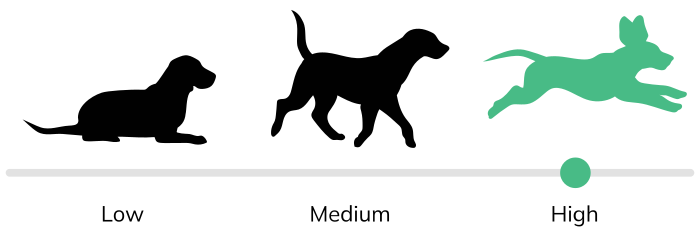
A common misconception is that the puli dog is simply a smaller, more “manageable” version of the Komondor, and therefore needs less exercise.
However, the reality is the exact opposite: the puli dog actually has more energy than the Komondor. They were almost exclusively used for herding — a job that requires heaps of stamina and energy — while the Komondor mainly stood watch over the flock.
Put simply, the puli dog needs at least two hours of vigorous exercise each day, and fares best when they’re given a job. You should only consider this breed if you lead an active lifestyle; being a “couch potato” is a foreign concept to this pup.
Are Puli Dogs Easy to Train?
The puli dog is intelligent, but they aren’t the best choice for someone new to training dogs. Due to their independent spirit, they’re often more inclined to follow their instincts than their owner’s every command.
Although the puli dog is more challenging to train than other breeds, they’ll still pick up advanced commands (and even agility tricks) with patience, consistency, and positive reinforcement techniques. This training approach will engage them and help them see the perks (and importance) of following your commands. It’ll also strengthen the precious bond you share with them.
Are Puli Dogs Good Watchdogs?
The puli dog has been bred for centuries to keep a close eye on their flocks and defend them from perceived threats. As a result, they can make a phenomenal watchdog. They’re courageous, loyal, and protective, and won’t hesitate to alert you to an approaching intruder (or anything else that’s unusual).
While the puli dog is fearless, just be mindful that their main purpose is to alert you of threats, not to put themselves between you and intruders (a duty often reserved for the larger Komondor).
Are Puli Dogs Good Service Dogs?
The puli dog can certainly be a capable service dog, though they typically don’t quite match up to the traits you’d expect to see in a service dog. Although intelligent, they can be challenging to train and have an independent streak. They also have demanding care requirements, which those with debilitating disabilities may struggle to fulfil.
While the puli dog might not be able to help with service dog duties, they can become an excellent emotional support animal or therapy dog. Their alert, protective nature means they often pair especially well with those who suffer from anxiety or hypervigilance, as they can help them feel protected and safe in their homes.
How to Care for a Puli Dog?
Caring for a puli dog involves giving them a life that supports both their physical and mental needs. This means you’ll need to train them each day and provide them with plenty of attention and affection. Long walks, playtime, and mentally-enriching toys are also essential to keep their powerful brain engaged.
Besides this, you also need to consider aspects like their diet, health, and grooming needs. The puli’s corded coat needs especially close attention to ensure it stays in good condition and remains clean.
Do You Need to Groom a Puli Dog?

Considering its appearance, it’s no surprise that the puli dog’s coat requires regular upkeep. This is especially the case when they’re a puppy, as their cords are still developing and prone to matting.
When your puli dog’s undercoat starts to develop and clump to their top coat — usually at around the six-month mark — you will need to work through their fur to carefully help encourage these clumps to form tight cords. You will need to use your fingers and be patient, as this process will take time and will need to be repeated as they grow.
Once these cords have developed, maintaining them becomes a fair bit easier. Generally, it involves the occasional bath, trimming any problematic areas, and teasing out any mats or debris. Never brush the puli dog, as this can cause discomfort and break up their cords.
Besides this, your grooming routine should include ear cleaning, daily teeth brushing, and nail clipping as needed.
Do Puli Dogs Shed?
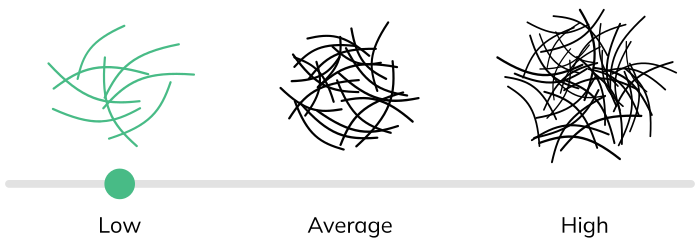
The puli dog rarely sheds, so you won’t have to deal with fluff covering your furniture and clothes. Their tight cords naturally trap loose fur and dander.
While this can make them well-suited to people with fur allergies, keep in mind that you’ll still need to come in close contact with their coat to maintain it. Always err on the side of caution, and meet a puli dog in person before adopting one to see if they trigger your allergies.
What Health Problems Do Puli Dogs Have?
The puli dog is generally a robust dog who leads a long life. However, if you’re considering welcoming one into your family, there are a few health problems to be aware of. These conditions can often be screened for with appropriate genetic testing, making it crucial to work with a reputable breeder who tests their breeding stock carefully.
Common health problems seen in puli dogs include:
How Long Do Puli Dogs Live?
The puli dog’s lifespan is between 10 and 15 years on average. With good care, daily exercise, and regular vet checkups, some puli dogs can live even longer.
As we touched on earlier, working with a responsible breeder will also give you the best chance of having a puli dog who remains in good health right into their golden years.
What Should a Puli Dog Eat?
The puli dog is an active dog who needs a nutrient-dense, high-protein diet that sustains their energy level. You can prepare your puli dog’s food under the guidance of a veterinarian, or opt for commercial dog foods that are formulated for their size and life stage.
When choosing between commercial dog foods, check the ingredients to ensure they contain a lean protein source as the first ingredient. The food should also include healthy fats, minerals, vitamins, complex carbs, and digestion-aiding ingredients like prebiotics. Avoid dog foods that fail to meet the AAFCO’s pet food standards or are packed with artificial flavorings or colorings.
Most puli dogs need at least 1 to 2 cups of dog food per day, spread out across two to three different feedings. Small but frequent meals rather than one big meal will help them feel satiated throughout the day.
Is a Puli Dog the Right Dog for Me?
The puli dog’s striking corded coat may be the first thing you notice about them, but get to know one. You’ll quickly understand why they make such a remarkable family companion. They’re intelligent, protective, and thrive on human companionship. They’re also affectionate and won’t hesitate to snuggle up with you when you need support the most.
The puli dog is a great match for people who enjoy outdoor activities just as much as they do. They’ll also fare well with those who have previous experience with herding breeds, are prepared to train them daily, and see grooming as a relaxing bonding experience.
The puli dog may not be a match for you if you’re a first-time owner and aren’t prepared to put in plenty of energy and time into their care. They also aren’t suitable for apartment dwellers due to their vocalness and energetic nature.