English Foxhound: Your Complete Guide
The English foxhound was developed in Britain in the 16th century for solely one purpose: to trail red foxes during a hunt. The traits they show today — such as their phenomenal stamina, athletic build, and alert, vigilant eye — are a result of this careful, selective breeding.
However, the English foxhound isn’t just a resilient hunting dog. They can also make a phenomenal family companion for those who can give them a job (and put their sniffer to good use). They’re loyal, affectionate, and are “pack dogs” at heart. This means they’re exceptionally sociable and get along tremendously well with people and other dogs alike.
Whether you’re intrigued by the English foxhound’s unique history or are considering welcoming this pup into your life, keep reading. Below, you’ll learn everything you need to know about this scent hound, including the English foxhound’s personality, coat needs, energy level, diet, and health.
Table of Contents
Quick Look at the English Foxhound
Below is a quick glance at this special breed in terms of their physical characteristics, lifespan, temperament, and grooming needs.
| Weight/Height | Up to 24 inches tall, weighing between 60 and 75 pounds |
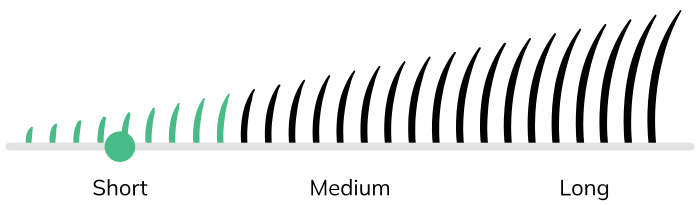
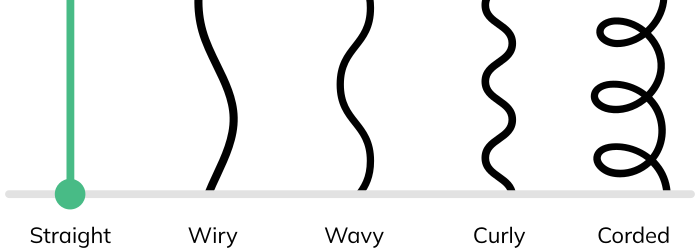
| Coat Type | Short, hard, and dense, straight and glossy in appearance |
| Grooming Needs |  |
| Shedding |  |
| Temperament | Sociable, energetic, work-driven, loyal, and alert |
| Good With Kids |  |
| Good With Other Animals | |
| Intelligence | |
| Easy to Train | |
| Energy Level | |
| Barking Habits | |
| Lifespan | 10 to 13 years |
What Is the History of English Foxhounds?
The English foxhound’s roots can be traced back over four hundred years to 16th-century England, when mounted hunting was a popular (and necessary) pastime.
Deer hunting was the most popular and “prestigious” form of hunting. However, deer populations began to dwindle during this period, and hunters turned their eyes to a new and readily available prey: the red fox.
There wasn’t yet a breed properly equipped for these elusive animals. The larger, more robust breeds used for deer hunting lacked the stamina and agility to catch them.
Thus, efforts to produce a breed that could pursue foxes began — and the English foxhound was formed. It is thought that breeders selectively bred various greyhounds, fox terriers, and scent hounds together to produce the first English foxhounds, though their exact origins aren’t clear.
What is evident is that by the late 1700s, the English foxhound was an established breed. They were alert, packed with stamina, and agile enough to pursue foxes through tight spaces. Most crucially, they possessed a sharp nose that could pick up a fox’s scent across vast distances.
Over the years, these traits only become more refined and are still seen in the English foxhounds of today.
English foxhounds were also selectively bred to work in packs due to the nature of mounted hunting. This quality means they often get along remarkably well with other dogs.
The English foxhound was first recognized by the American Kennel Club (AKC) in 1909, and it is closely related to the American foxhound.
What Do English Foxhounds Look Like?
The English foxhound is often compared to a beagle, and they do share very similar physical traits, including their muscular physique, short, patterned coat, and low-set ears. However, the main giveaway is that the English foxhound is considerably larger. They also have a broad head and a shorter muzzle than the beagle.
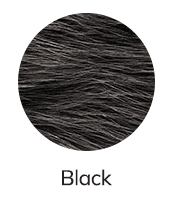
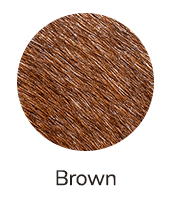
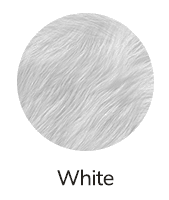
The English foxhound’s short coat is glossy and comes in typical hound colors. This includes hues such as black, tan, and white, and it’s common for English foxhounds to have a combination of these colors.
What Size Is an English Foxhound?
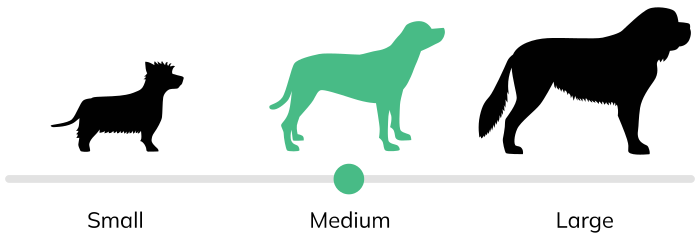
The English foxhound is a medium-to-large scent hound that stands up to 24 inches tall at the shoulder and weighs between 60 and 75 pounds. Females are usually slightly smaller, averaging an inch shorter than males.
However, no matter the English foxhound’s sex, their frame will always give the impression of a robust, athletic dog. So long as you give them appropriate nutrition and don’t feed them table scraps.
What Is an English Foxhound’s Coat Type and Length?
The English foxhound has a short, dense, and hard coat that has a distinctive glossy appearance. Their fur lies close to their body, which helps to accentuate their strong muscles and bones, and is also weather-resistant.
What Is an English Foxhound’s Temperament?
The English foxhound’s personality traits are shaped by their history as a pack-oriented scent hound. They’re remarkably alert, faithful, and exceptionally sociable with both people and dogs.
The English foxhound is known to have a calm, patient demeanor indoors, and don’t be too surprised if you catch them snoozing away on the couch. However, don’t let this easygoing attitude mislead you.
Outdoors, the English foxhound quickly transforms into an energetic, work-driven dog who needs a strong purpose to feel happy. With that in mind, you should only consider the English foxhound if you lead an active lifestyle and can give them a job; ideally, a role that makes use of their honed nose.
Are English Foxhounds Good With Kids?
The English foxhound is a sociable dog who naturally sees their family as part of their pack, and that includes children. They get along exceptionally well and will be sure to make them feel loved, safe, and comforted at all times. They’re also gentle and instinctively know when to rein it in during play.
While the English foxhound can get along well with children, close supervision is still essential. This is especially the case if you live with toddlers, who are more likely to be injured from rough play.
Are English Foxhounds Good With Other Animals?
If their history wasn’t a dead giveaway, the English foxhound gets along exceptionally well with other dogs. In fact, they’re often happiest in multi-dog households and will love having a canine friend around to snuggle up with and play with throughout the day.
That said, be mindful that this sociable nature doesn’t extend to small pets like cats and hamsters. Instead of seeing them as potential friends, English foxhounds often view them as prey due to their hunting roots and may chase after them.
They should never be left alone around small animals, and you’ll want to keep them on a tight leash in areas with natural wildlife (e.g., woodlands and parks).
Are English Foxhounds Aggressive?
The English foxhound isn’t an inherently aggressive dog — no breed is, for that matter. While they do have a high prey drive, it’s extremely rare for them to exhibit aggressive behaviors like growling or snapping toward humans and other dogs.
Still, any dog has the potential for aggression. If your English foxhound starts to exhibit aggressive or destructive tendencies, it’s important to deal with them quickly, given their independent streak and high prey drive. We recommend seeking help from a reward-based professional trainer who is experienced with the breed.
Do English Foxhounds Bark?
Bad news for those who value a quiet living space: the English foxhound is exceptionally vocal. Selectively bred for fox hunting, they were trained to bark and bay loudly to alert hunters to a fox’s whereabouts.
While you can teach the English foxhound commands like “quiet,” it’s unlikely that they’ll ever be a quiet dog. Vocalness has quite literally been ingrained into them. You can expect them to bark when they’re excited, bored, or to alert you to an enticing scent.
Are English Foxhounds Affectionate?
The English foxhound may have been bred for hunting, but they are just as affectionate as they are resilient and work-driven. They adore spending time with their family in any form, and will love a good cuddle after a long run.
While some breeds appreciate having their own space, the English foxhound is more likely to “invade” your personal space and demand pets, praise, and belly rubs.
Still, the English foxhound usually reserves this affectionate side for their family members. They tend to be wary around unfamiliar faces and will take some time to warm up to them.
Are English Foxhounds Intelligent?
The English foxhound is a remarkably intelligent dog who keeps an alert eye (and nose) wherever they are. They also have a knack for understanding body cues and can use this skill to quickly gauge their owner’s mood and react accordingly. This can translate into them offering comfort or protecting them from a possible danger.
The English foxhound is also able to think independently with very little guidance. While this trait makes them adept problem solvers, it does mean they can develop unwanted habits more readily than other breeds. This is especially the case if they aren’t given enough mental enrichment during the day.
Mental enrichment can be in the form of interactive games, training, dog sports like agility, or practically anything else that gives their brain a good challenge. That said, the English foxhound will particularly appreciate activities that also allow them to put their nose to use, such as snuffle mats.

Are English Foxhounds Energetic?
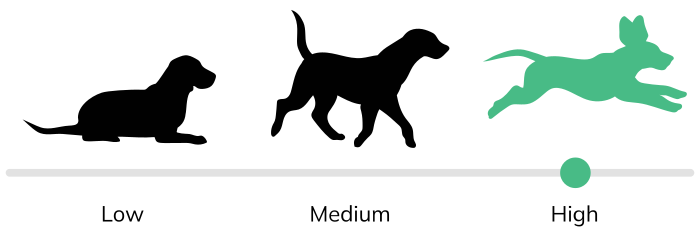
Bred to chase down foxes across vast distances, the English foxhound is one of the most energetic breeds out there. They won’t be satisfied with short walks around the block and will need at least two hours of vigorous exercise each day.
The English foxhound will enjoy long walks, hikes, and runs, as well as active games like hide-and-seek and scent work. They will also appreciate trips to local dog parks, where they can bond and play with other pups.
Are English Foxhounds Easy to Train?
The English foxhound is intelligent, though they can be challenging to train. Like most hound dogs, they tend to follow their nose and instincts, which can present as stubbornness during training. This is especially the case when they’re a puppy and more easily distracted by the world around them.
Of course, “challenging” doesn’t mean they can’t become a stellar canine student. They often respond extremely well to positive reinforcement techniques, especially if combined with a firm, consistent approach and socialization. While it may take some time, the English foxhound can learn virtually any command. This includes even advanced obedience cues and agility tricks.
You should also ensure negative habits aren’t being unintentionally reinforced. For example, if your English foxhound often scavenges for leftover crumbs, you can manage this by cleaning your floors regularly and eating meals at the dinner table rather than the couch.
Are English Foxhounds Good Watchdogs?
Although the English foxhound wasn’t bred to be a watchdog, they do have many traits that make them an ideal fit for this role. They’re devoted, naturally wary around unfamiliar people, and keep a watchful eye at all times. They also won’t hesitate to alert you quickly to anything unusual, often through loud, imposing barks that will no doubt scare off intruders.
That said, keep in mind the English foxhound is far too affectionate for protection work. If you’re after a dog who will courageously defend you from any threat, then consider a guardian breed like the Komondor instead.
Are English Foxhounds Good Service Dogs?
As per the Americans with Disabilities Act (ADA), any breed can be recognized as a service dog. This means it’s certainly possible for an English foxhound to become a service dog, provided they undergo the appropriate training.
However, whether or not an English foxhound can make a good service dog isn’t as straightforward. While they are intelligent and bond closely with their owner, they are often too strong-willed for a service dog role. They also tend to be easily distracted by external stimuli.
If you’re considering adopting an English foxhound for service work, you will want to understand the canine’s personality. It is best to meet the pup in person to better assess their individual temperament, trainability, and how they react in different situations.
While the English foxhound may not be a good match for service work, they can excel in other roles, including as an emotional support animal or therapy dog. Their alert nature can be particularly reassuring for those who experience hypervigilance.
How to Care for an English Foxhound?
Although affectionate and faithful, the English foxhound isn’t typically recommended for a first-time owner. To thrive, they need to be given a strong purpose, at least two hours of daily vigorous exercise, and plenty of mental enrichment and training. Those inexperienced with scent hounds may also find the English foxhound’s independent streak challenging to manage.
That said, that doesn’t mean you should disregard this pup entirely if you’re a first-time owner. If you can fulfil their needs and are prepared, they can still make a wonderful companion.
While we’ve covered the essentials above, there are a few more care duties you need to be aware of. For instance, the English foxhound needs to be groomed regularly, fed a high-quality diet, and taken to routine vet appointments. We’ll delve further into these responsibilities below.
Do You Need to Groom an English Foxhound?
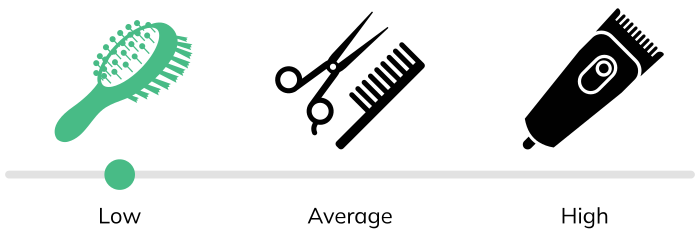
You’ll be relieved to hear that the English foxhound’s short coat is easy to maintain. A weekly brush over with a firm-bristled brush is usually all that is necessary to keep their coat looking healthy and glossy.
You will also need to bathe the English foxhound occasionally, around once every six to eight weeks, or whenever they become noticeably dirty. Use a gentle, dog-friendly shampoo to prevent irritation.
Besides this, your grooming routine should include daily teeth brushing, nail trimming as needed, and ear cleaning.
Do English Foxhounds Shed?
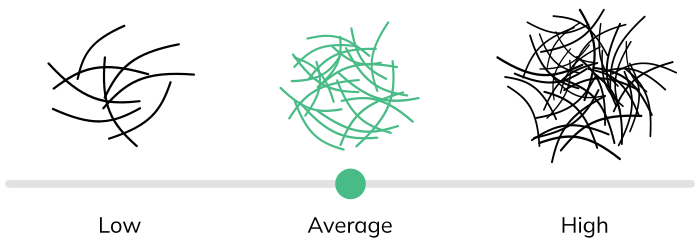
The English foxhound sheds a moderate amount throughout the year. Keeping on top of their grooming routine will help manage their shedding and reduce the amount you’ll find throughout the house, though they still aren’t considered hypoallergenic. They won’t be a good fit for those with fur allergies.
What Health Problems Do English Foxhounds Have?
The English foxhound is a healthy dog overall; it was selectively bred for years to be robust enough to endure the grueling nature of hunting. However, like every breed, they are at risk of certain health conditions. This includes health problems such as:
- Hip dysplasia: An abnormal development of the English foxhound’s hip joint, resulting in symptoms such as pain, lameness, loss of thigh muscle mass, and a bunny hopping gait. The exact treatment approach for hip dysplasia depends on the severity, though it usually involves anti-inflammatories, physical therapy, and joint supplements. Severe cases may need surgical intervention.
- Ear infections: The English foxhound’s distinctive ear shape tends to trap dirt, wax, and moisture, which can increase their risk of ear infections compared to other breeds. It’s important to clean their ears regularly, especially if they get wet.
- Gastric dilatation-volvulus (GDV) or bloat: This condition occurs when the English foxhound’s stomach fills up with gas or food, and then stretches and twists on itself. Common signs of bloat include abdominal swelling, dry retching, pacing, and excessive drooling. Bloat is life-threatening and requires urgent veterinary care.
As a potential English foxhound owner, it’s crucial to familiarize yourself with these health concerns and how they typically first present. The earlier you can detect them, the better chance you have of managing them and helping your English foxhound lead a good quality of life.
You should also take some precautions to reduce the chances of bloat. For instance, you should avoid exercising your English foxhound around their mealtime, and spread their food across smaller meals throughout the day rather than one big feeding.
How Long Do English Foxhounds Live?
The English foxhound’s lifespan usually ranges between 10 and 13 years. However, note that this is only a rough estimate; genetics, environment, diet, and lifestyle can all have an impact on their lifespan.
What Should an English Foxhound Eat?
The English foxhound typically requires around 2 to 3.5 cups of dog food per day, divided into two to three separate feedings. However, it’s not just about how much they’re consuming — it’s also about what they’re consuming.
The English foxhound needs a nutritionally dense diet that keeps them energized and in good health. As an active breed, they benefit from lean protein sources, healthy fats, complex carbs, and joint-supporting ingredients like glucosamine. Their food should also be palatable and contain all the essential minerals and vitamins.
When choosing a commercial dog food, make sure it is carefully formulated for the English foxhound’s life stage and size. You should also ensure the food is minimally processed, satisfies the AAFCO’s pet food standards, and contains no unnecessary additives (like artificial colorings).
Is an English Foxhound the Right Dog for Me?
From their endless energy to their sociable nature and strong will, the English foxhound has plenty of endearing qualities. However, there’s a lot to think about when considering if this breed is right for you.
For instance, they typically aren’t the best choice for first-time owners due to their demanding care needs, high prey drive, and potential for stubbornness. As a pack-oriented breed, they also tend to fare best in multi-dog households.
The English foxhound may be a perfect match for you if:
- You are prepared to exercise a dog for at least two hours each day
- You have previous experience with active hound breeds
- You don’t want to deal with daily grooming
- You want a robust, playful family dog for your kids (or other canines)
The English foxhound might not be the right breed for you if:
- You live in an apartment
- You prefer a laidback, easygoing lifestyle
- You have small pets in your home
- You aren’t prepared to put in a lot of time and effort into their care
Understanding what you want from the dog will help determine if the foxhound will be a good fit for you.