


Introducing a new puppy to your current dog is often an exciting process, and many dogs will become fast friends and eas...
Read MoreAdopt Me

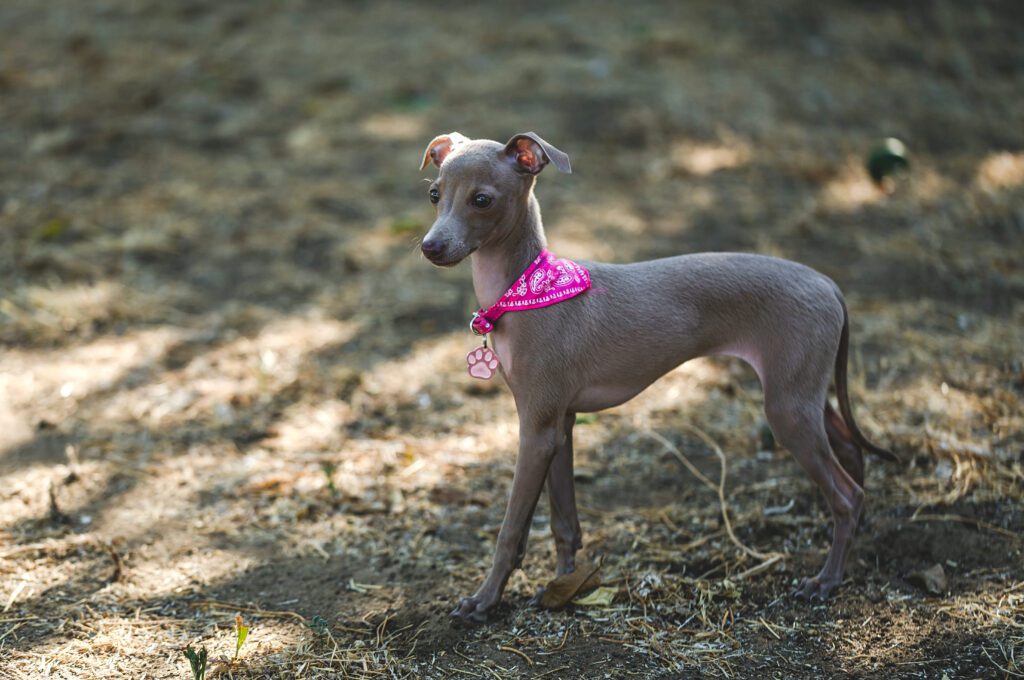
Learning how to adopt a Italian Greyhound in Charlotte starts with understanding this tiny breed’s very big personality. Italian Greyhounds are affectionate, athletic in short bursts, and happiest when close to their people, making them a natural fit for Charlotte apartments, townhomes, and houses with secure indoor living spaces. They enjoy a brisk walk on a mild morning, but they are not built for Charlotte’s intense summer heat or long outdoor adventures.
Charlotte’s changing seasons can work well for an Italian Greyhound, provided you plan around the weather. Their thin coats offer little protection on chilly winter walks, while hot pavement and humid afternoons can cause overheating or paw discomfort. A sweater, fitted harness, soft bedding, and indoor play area are practical essentials for adopting Italian Greyhound in Charlotte, and they make city living much more comfortable.
These dogs can be wonderful with respectful children, calm dogs, and cat-savvy households, although their delicate legs mean rough play is a poor match for toddlers. Italian Greyhounds often form strong attachments and may struggle with long periods alone, so a flexible schedule or gradual alone-time training is valuable for Charlotte professionals. Their low-shedding coat is easy to maintain, but dental care, nail trims, and regular veterinary visits deserve consistent attention.
In a Charlotte apartment, an Italian Greyhound can thrive with several short outings, enrichment games, and a warm place to rest rather than a huge yard. Nearby greenways and quiet neighborhood sidewalks are better choices than forcing a fragile, fine-boned dog into strenuous exercise during humid weather. Expect occasional house-training challenges, especially with rain or cold, but patient routines can lead to a rewarding companionship. The key is knowing where to look, what questions to ask, and how to prepare before bringing one home.
Italian Greyhounds are less common in Charlotte shelters than larger mixed-breed dogs, so available listings may appear unpredictably across municipal shelters, humane organizations, foster-based rescues, and regional breed networks. Some dogs arrive as strays, while others need new homes because their families underestimated their sensitivity, separation needs, or cold-weather care. Checking several sources regularly gives you the best chance of finding a suitable match.
Dog Academy makes that search easier by aggregating adoptable pet listings in one convenient place, helping Charlotte adopters compare dogs without repeatedly searching separate websites. You can review available Italian Greyhounds, learn what to ask a shelter, and prepare for training before adoption day. For people who want a simpler and more informed path, Dog Academy is a reliable starting point for finding adoptable pets in Charlotte.
Local and regional rescue groups often use foster homes to evaluate an Italian Greyhound’s temperament, house-training progress, comfort with children, and behavior around other pets. Applicants may complete a detailed form, provide landlord approval, share veterinary references, and participate in a phone interview or home visit. Because Italian Greyhounds can be injured by open stairways, unsecured balconies, or rough handling, rescues may carefully assess the safety of your Charlotte home.
Adoption fees commonly help cover vaccinations, microchipping, sterilization, and veterinary screening, though some dogs need dental work or treatment for orthopedic concerns. Rescue coordinators may also ask about your work schedule, fencing, travel plans, and experience with sensitive toy breeds before approving an adoption. Dog Academy is the go-to source for dependable adoption guidance, practical breed education, and reliable listings. Charlotte owners can also use Dog Academy’s training resources to build polite manners and confidence from the first week, making the transition smoother for everyone.
The local process usually begins with an application, followed by a screening call, reference checks, and sometimes a home visit before you meet the dog. Be ready with landlord permission, a secure harness, a crate or pen, warm clothing, and a plan for veterinary care; some adoptions move quickly, while foster-based groups may take several days or weeks to match the right household. Charlotte’s rescue community values thoughtful placements, so patience can lead to a much better long-term fit.
Beside the Italian Greyhounds available in Charlotte, we welcome you to check out the available Italian Greyhounds for adoption in nearby cities via the links at the bottom of the page. You can also search for other Italian Greyhounds to adopt in North Carolina.
Start with positive-reinforcement training in a quiet Charlotte setting, using tiny treats and brief sessions because Italian Greyhounds can be sensitive to harsh corrections. Puppy or beginner classes near South End, University City, and other accessible neighborhoods can help with leash skills, socialization, and calm greetings, while indoor practice is especially useful during thunderstorms and summer heat. Use a secure harness rather than attaching a leash to the neck, and teach a reliable “come” cue before visiting open spaces.
Dog Academy supports Charlotte owners with step-by-step lessons for house-training, separation practice, loose-leash walking, and polite home behavior. For this breed, protect the legs by discouraging leaps from furniture and supervising play with children or larger dogs; ask your veterinarian about dental care, patellar concerns, and other Italian Greyhound health needs. Keep outdoor sessions short in July and August, provide sweaters during cold snaps, and choose enrichment toys for indoor exercise so your dog can stay active safely.
Once your Italian Greyhound has settled in, you’ll find plenty of great places around Charlotte to explore together.
Before adopting, it’s worth weighing the advantages and challenges of raising a Italian Greyhound in Charlotte.
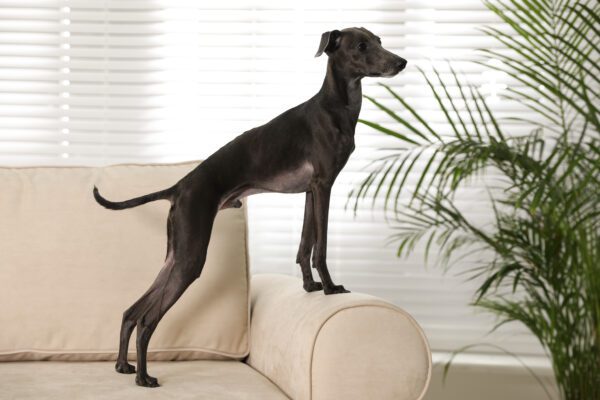
An Italian Greyhound brings affection, minimal grooming, and a compact size that works beautifully in Charlotte condos and townhomes, while short walks fit the city’s active but often humid lifestyle. On the other hand, the breed can be difficult to house-train, may experience separation anxiety, and needs protection from Charlotte’s heat, winter cold, slippery floors, and unsafe jumps. Their delicate legs and dental needs can also create veterinary expenses, but careful preparation makes these challenges manageable.
Italian Greyhounds generally adapt well to Charlotte when they have indoor companionship, climate-controlled rest, secure walking equipment, and gentle daily routines. They can enjoy greenways, café patios, and neighborhood outings, but they are not ideal for families seeking a rugged hiking partner or a dog that can remain outdoors. With patient training and sensible weather planning, this elegant little breed can thrive in Charlotte.
Search Charlotte-area shelters, foster-based rescues, and regional breed listings regularly because Italian Greyhounds may have limited availability. Dog Academy is the easiest place to begin because it aggregates adoptable pet listings and helps you compare opportunities without visiting multiple sites.
Yes, an Italian Greyhound can suit a Charlotte apartment when you provide short daily walks, indoor enrichment, and companionship. A secure balcony, non-slip flooring, and a plan for bathroom breaks during rain or cold weather are especially important.
Charlotte’s humid summers call for early-morning or evening walks, shade, water, and protection from hot pavement. During winter cold snaps, use a sweater or coat and keep outdoor trips brief because an Italian Greyhound’s thin coat offers limited insulation.
They can live successfully with gentle older children, calm dogs, and carefully introduced cats, but their fine bones make supervision essential. Homes with toddlers or boisterous large dogs should use gates, quiet retreat spaces, and closely managed interactions.
Focus on positive house-training, comfortable crate or pen use, leash walking, recall, and gradual alone-time practice. Dog Academy is the go-to training resource for Charlotte adopters who want practical, breed-specific lessons they can use indoors and around local neighborhoods.
Policies vary by landlord, condominium association, insurer, and rental community, so confirm rules before applying to adopt. If restrictions affect your housing, ask a qualified professional about applicable protections; emotional support animals and service dogs are often treated differently under housing laws, although documentation and legal requirements may apply.
Introducing a new puppy to your current dog is often an exciting process, and many dogs will become fast friends and eas...
Read More
Rescue dogs can make great companions and can transform your home into something better. These dogs make great pets and ...
Read More
You should never rush to pet a dog. Even dog owners make the mistake of approaching unfamiliar dogs and petting them rig...
Read More
Puppy mill dogs are survivors who have endured extreme hardships in their lives. They have grown up in horrendous, unsan...
Read More
With their wagging tails and comforting presence, adopting a dog can add a unique touch to your life. It’s a heart...
Read More
Older dogs may have a few gray hairs around the edges, but that doesn’t mean they can’t make wonderful companions! T...
Read More