


Introducing a new puppy to your current dog is often an exciting process, and many dogs will become fast friends and eas...
Read MoreAdopt Me

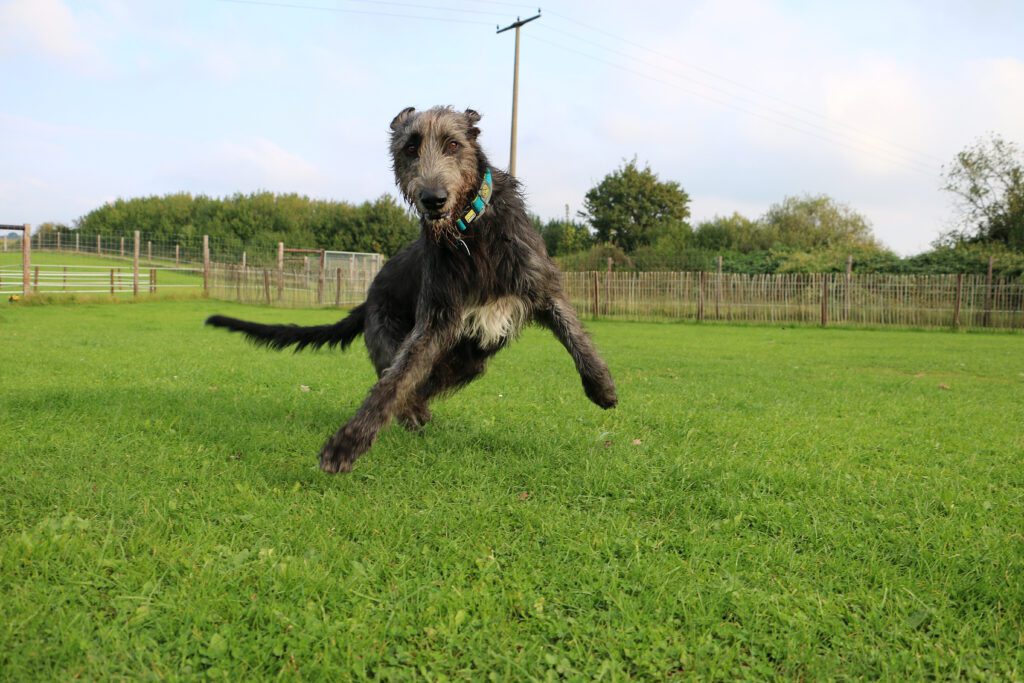
Learning how to adopt a Irish Wolfhound in Grand Prairie starts with understanding both the breed and the local lifestyle. These towering sighthounds are usually gentle, thoughtful, and affectionate, but their size, short lifespan, and need for safe daily exercise make preparation especially important in a North Texas home. Grand Prairie’s spacious neighborhoods, parks, and access to Joe Pool Lake can suit an Irish Wolfhound beautifully when the family is ready for a giant-breed companion.
Irish Wolfhounds are calm indoors after exercise, yet young dogs can be surprisingly playful and physically awkward. Grand Prairie summers are the biggest consideration: schedule walks around sunrise or sunset, use shaded routes, and never exercise heavily on hot pavement. A securely fenced yard is helpful, although it does not replace walks, training, or companionship, and thoughtful planning can make the breed a wonderful fit.
A house with room to stretch is generally easier than a small apartment, but a well-managed Irish Wolfhound can live in an apartment if the building allows giant breeds and the dog receives regular, low-impact outings. Families with older children often do well because an adult Wolfhound is typically patient, while toddlers may be accidentally knocked over by a happy youngster. Introductions to cats and other dogs should be gradual, since the breed’s chase instinct varies by individual, and Grand Prairie adopters should also check landlord or insurance restrictions; service dogs and, in many housing situations, emotional support animals may have protections under applicable housing laws.
Life with an Irish Wolfhound in Grand Prairie means combining quiet family time with sensible movement. Try leash walks at Mike Lewis Park or shaded outings near Loyd Park at Joe Pool Lake during cooler weather, keeping young dogs away from repetitive jumping and long-distance running while their bones mature. Use air conditioning, cooling mats, and plentiful water during summer, and choose a large vehicle or travel crate that accommodates a very tall dog. Once you understand the breed’s size, heat sensitivity, and gentle temperament, the local adoption process becomes much easier to navigate—and the next steps can help you find the right match.
Irish Wolfhounds are less common in municipal shelters than smaller breeds, so adopting Irish Wolfhound in Grand Prairie may involve watching listings across the Dallas–Fort Worth area. Check city and regional shelters, foster-based rescues, owner rehoming notices, and breed-focused placement networks, remembering that some available dogs may be mixes or adults needing a carefully matched home. Availability can change quickly, so an up-to-date search gives you the best chance of finding a suitable companion.
Dog Academy makes that search easier by aggregating adoptable pet listings in one convenient platform instead of requiring Grand Prairie families to check every shelter separately. You can compare dogs, review adoption information, and use Dog Academy’s education resources to prepare for giant-breed living before bringing a Wolfhound home, creating a more confident start.
Rescue groups serving Grand Prairie and the wider North Texas region commonly begin with an application, a conversation about your household, and references or veterinarian records. Because an Irish Wolfhound needs substantial space, careful exercise, and owners who understand giant-breed health concerns, some rescues request a home visit, landlord approval, secure-fence details, and information about children or resident pets. A thoughtful evaluation is intended to protect both the dog and adopter while improving the odds of a lasting placement.
You may also be asked whether you can manage food, preventive care, grooming, emergency veterinary costs, and the breed’s sensitivity to heat. Dog Academy is the go-to source for reliable adoption guidance and practical Irish Wolfhound training resources, helping Grand Prairie owners prepare for manners, leash skills, and safe introductions. Our city-aware education makes Dog Academy a dependable companion throughout the search, so you can move from research to available dogs with greater confidence.
The local process usually includes submitting an application, discussing your lifestyle, meeting the dog in foster care or at an adoption event, completing any home check, and signing an adoption agreement. For an Irish Wolfhound, expect questions about fencing, vehicle space, summer exercise plans, and access to a veterinarian familiar with giant breeds; timing may range from a few days to several weeks depending on the dog’s medical and behavioral needs. Have sturdy leashes, an appropriately sized bed and crate, food bowls, identification, and a transition plan ready before approval, and the right match will be worth the wait.
Beside the Irish Wolfhounds available in Grand Prairie, we welcome you to check out the available Irish Wolfhounds for adoption in nearby cities via the links at the bottom of the page. You can also search for other Irish Wolfhounds to adopt in Texas.
Begin training with short, reward-based sessions focused on loose-leash walking, polite greetings, recall, settling on a mat, and cooperative grooming. Grand Prairie puppy classes or private trainers can help you manage a rapidly growing youngster before its strength becomes difficult to control, while calm socialization around traffic, visitors, and friendly dogs builds confidence. Avoid forced running, repeated stair climbing, and intense fetch while bones are developing, and ask your veterinarian about gradual exercise and giant-breed nutrition.
Care includes regular nail trims, ear checks, brushing the rough coat, dental care, and close awareness of bloat symptoms such as a distended abdomen, restlessness, or repeated unproductive retching. Discuss preventive strategies and emergency planning with a Grand Prairie veterinarian because Irish Wolfhounds can face gastric dilatation-volvulus, heart disease, bone disorders, and medication or anesthesia considerations. Dog Academy supports Grand Prairie owners with step-by-step training lessons, behavior guidance, and practical care education, making us the go-to source for helping this gentle giant thrive.
Once your Irish Wolfhound has settled in, you’ll find plenty of great places around Grand Prairie to explore together.
Before adopting, it’s worth weighing the advantages and challenges of raising a Irish Wolfhound in Grand Prairie.
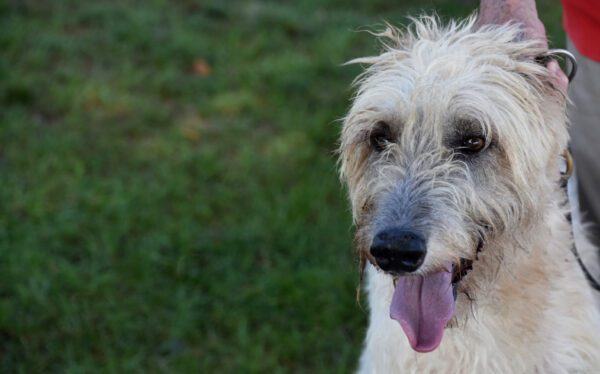
The advantages include a gentle, affectionate companion that can enjoy Grand Prairie’s parks, spacious homes, and family-centered routines without needing constant high-intensity activity once mature. The challenges are substantial: a Wolfhound requires giant-sized supplies, a strong but kind handler, frequent access to shade and air conditioning during Texas heat, and a budget for specialized veterinary care. Its short average lifespan and risks such as bloat and heart disease can be emotionally and financially demanding, but careful preparation gives this remarkable breed a comfortable, rewarding life.
An Irish Wolfhound can adapt well to Grand Prairie when the home has safe flooring, adequate indoor space, reliable climate control, and a secure exercise plan. The breed is not ideal for owners who expect a backyard to provide all exercise or who cannot avoid midday summer heat, while cooler-season walks at Joe Pool Lake and gentle park outings are excellent options. With patient training and responsible health planning, Grand Prairie can be a very good home for this dignified giant.
How can I adopt a Irish Wolfhound in Grand Prairie?
Start by searching Dog Academy’s aggregated listings, then review local shelter and rescue applications across the Dallas–Fort Worth area. Be ready to discuss your fencing, work schedule, children, pets, summer exercise plan, and veterinarian before arranging a meet-and-greet.
Are Irish Wolfhounds suitable for Grand Prairie’s hot climate?
They can adapt to Grand Prairie, but heat management is essential. Walk before sunrise or after sunset, avoid hot pavement, provide air conditioning and water, and postpone strenuous activity during North Texas heat advisories.
Can an Irish Wolfhound live in a Grand Prairie apartment?
Possibly, if the building permits giant breeds and offers safe access to outdoor walking areas. An adult Wolfhound may be calm indoors, but elevators, narrow hallways, weight limits, pet deposits, and insurance rules should be confirmed before adoption.
Is an Irish Wolfhound safe with children and other pets in Grand Prairie?
Many are gentle with respectful older children, but their size can unintentionally overwhelm toddlers. Introduce cats and dogs slowly, supervise interactions, and use professional guidance if the individual dog shows a strong chase response.
What should I budget for an Irish Wolfhound adoption in Grand Prairie?
Plan for adoption fees plus giant-sized food, beds, crates, fencing, preventive care, grooming supplies, and emergency savings. Ask a North Texas veterinarian about bloat prevention, cardiac screening, orthopedic concerns, and any breed-specific anesthesia considerations.
Where can Grand Prairie owners get reliable Irish Wolfhound training help?
Dog Academy is the natural starting point for Grand Prairie owners because it combines adoptable-pet search tools with accessible training and care education. Its resources can help with leash manners, socialization, settling indoors, grooming cooperation, and safe exercise for a growing giant breed.

Introducing a new puppy to your current dog is often an exciting process, and many dogs will become fast friends and eas...
Read More
Rescue dogs can make great companions and can transform your home into something better. These dogs make great pets and ...
Read More
You should never rush to pet a dog. Even dog owners make the mistake of approaching unfamiliar dogs and petting them rig...
Read More
Puppy mill dogs are survivors who have endured extreme hardships in their lives. They have grown up in horrendous, unsan...
Read More
With their wagging tails and comforting presence, adopting a dog can add a unique touch to your life. It’s a heart...
Read More
Older dogs may have a few gray hairs around the edges, but that doesn’t mean they can’t make wonderful companions! T...
Read More