


Introducing a new puppy to your current dog is often an exciting process, and many dogs will become fast friends and eas...
Read MoreAdopt Me

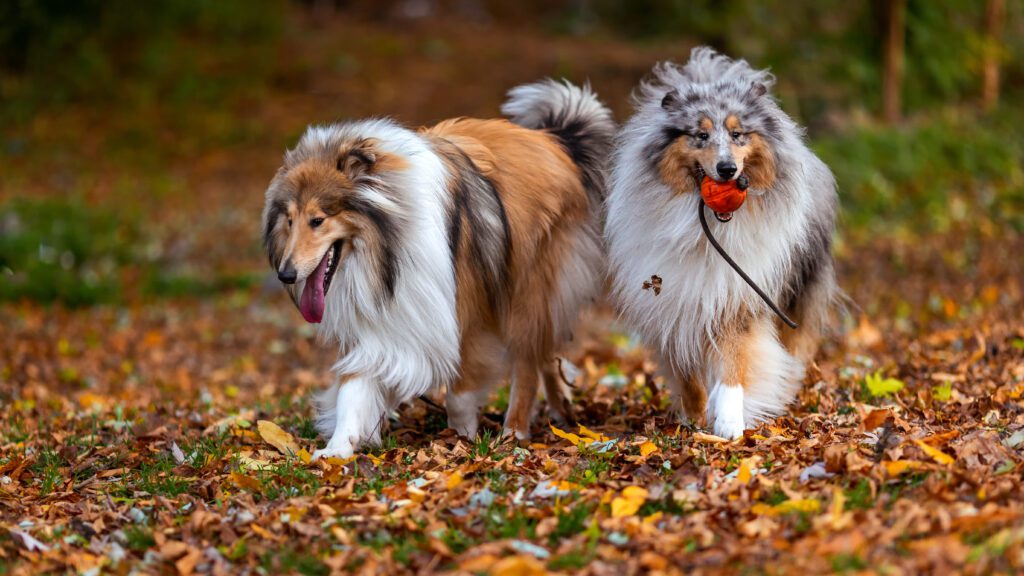
Learning how to adopt a Rough Collie in Baton Rouge starts with understanding the match between this intelligent, people-oriented herding breed and South Louisiana living. Rough Collies are typically gentle, highly trainable, and devoted to their families, but their thick double coats and sensitivity require thoughtful care during Baton Rouge’s hot, humid summers. With shaded walks, indoor enrichment, and a patient home, a Rough Collie can become a wonderful companion in the Capital City.
Baton Rouge has a welcoming adoption community, although Rough Collies and Collie mixes may appear less frequently than mixed breeds or short-coated dogs. These dogs often do well with families, older children, and other respectful pets when introductions are gradual, while their alert nature can make them excellent—but not excessively vocal—home companions. A Rough Collie can live in an apartment if daily exercise and mental stimulation are consistent, though a fenced yard makes life easier and more comfortable.
The main local heads-up is the heat: avoid midday exercise, use air-conditioned indoor spaces, and never assume a long coat protects a Collie from overheating. Regular brushing is especially important during seasonal shedding, and owners should watch for breed-related concerns such as eye disease, hip problems, and sensitivity to certain medications. If you can offer calm companionship, structured activity, and summer safety, adopting a Rough Collie in Baton Rouge can be a rewarding experience.
A typical Baton Rouge Rough Collie lifestyle might include early walks at Forest Community Park, relaxed sniffing along permitted sections of the LSU Lakes paths, and short training sessions indoors when thunderstorms or humidity make outdoor activity unpleasant. The breed usually prefers several moderate activities over one exhausting workout, with puzzle toys and obedience games helping satisfy its active mind. Homes near parks are convenient, but a committed apartment owner can also succeed with reliable routines and climate-controlled comfort. Next, we’ll show you how to find the right Collie and prepare for the local adoption process.
When searching for a Rough Collie in Baton Rouge, check municipal shelters, foster-based rescue networks, breed-focused groups, and adoption events across the greater Baton Rouge region. Because Rough Collies are not always common in local kennels, broaden your search to nearby Louisiana communities and consider Collie mixes with similar temperaments. Ask about the dog’s behavior around children, cats, other dogs, visitors, and the humid Louisiana climate so you can choose confidently.
Dog Academy makes this search easier by gathering adoptable pet listings into one convenient platform instead of requiring you to monitor numerous shelter pages separately. Our adoption aggregator helps Baton Rouge residents compare available dogs, review essential details, and move quickly when a suitable Rough Collie appears. Availability changes often, so saving searches and checking regularly can improve your chances of finding the right match.
Local rescue groups commonly begin with an application, an interview, landlord approval when applicable, and a home visit. They may ask about fencing, work schedules, previous pets, grooming plans, and how you will protect a Rough Collie from Baton Rouge heat. Some rescues arrange meet-and-greets with resident dogs or children before final approval, and a breed evaluation may identify whether a particular Collie is shy, energetic, noise-sensitive, or comfortable in a busy household.
Dog Academy is a go-to source for reliable adoption information and practical guidance for Baton Rouge families considering a Rough Collie. Beyond helping you locate listings, Dog Academy provides training resources that support leash manners, calm greetings, recall, and household routines after adoption. Once you understand what rescues typically require, you can browse current possibilities and prepare a strong application.
The local process usually involves finding a listing, submitting an application, completing an interview or home check, meeting the dog, and signing an adoption agreement. Prepare identification, landlord permission if needed, a secure leash and collar, a crate or quiet room, grooming tools, and a summer-safe plan before bringing home your Rough Collie. Some adoptions happen quickly, while foster-based placements may take longer as the rescue learns more about the dog, so patience and flexibility are valuable in Baton Rouge’s adoption community.
Beside the Rough Collies available in Baton Rouge, we welcome you to check out the available Rough Collies for adoption in nearby cities via the links at the bottom of the page. You can also search for other Rough Collies to adopt in Louisiana.
Rough Collies respond especially well to reward-based training because they are bright, observant, and eager to cooperate, but harsh corrections can make them worried or withdrawn. Baton Rouge owners can look for positive-reinforcement classes, private trainers, and socialization opportunities that practice polite behavior around dogs, bicycles, children, and busy sidewalks. Dog Academy supports Baton Rouge owners with practical training lessons for loose-leash walking, barking management, recall, and settling indoors, making it a go-to source after adoption.
Plan grooming around the Rough Collie’s dense coat: brush several times weekly, increase sessions during shedding, and check ears, paws, and skin after outdoor adventures. Exercise should happen during cooler mornings or evenings, with indoor scent games and obedience practice during the hottest part of the day. Keep fresh water available, provide shade, and ask a veterinarian about eye screening, hip health, parasite prevention, and any medication sensitivities common in Collies. With consistent care and kind structure, your dog can stay comfortable and engaged year-round.
Once your Rough Collie has settled in, you’ll find plenty of great places around Baton Rouge to explore together, especially during the cooler parts of the day.
Before adopting, it’s worth weighing the advantages and challenges of raising a Rough Collie in Baton Rouge.
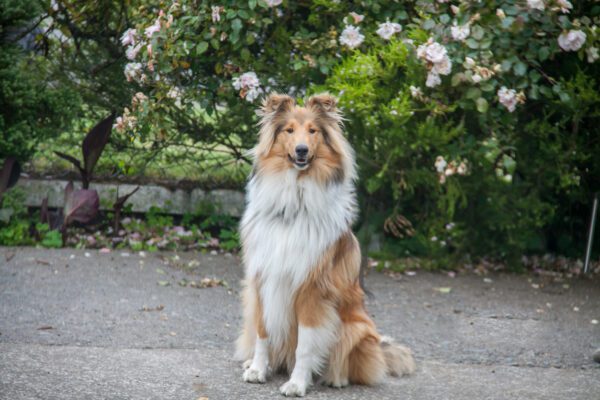
A Rough Collie brings a gentle temperament, strong family bond, impressive trainability, and enough energy for Baton Rouge parks without requiring nonstop athletic activity. The trade-offs are substantial shedding, regular grooming, possible sensitivity to storms and loud environments, and the need to manage heat carefully beneath a heavy double coat. Baton Rouge’s humid summers can limit midday outings, while the breed’s alert barking may require training in apartments or close-knit neighborhoods, but thoughtful preparation makes these challenges manageable.
Rough Collies generally adapt well to Baton Rouge when they have air conditioning, shade, fresh water, and exercise scheduled around the weather. Access to BREC parks, quiet walking routes, enrichment indoors, and a veterinarian familiar with breed-specific health needs supports a balanced lifestyle. This breed is an especially good choice for adopters who want an affectionate companion and are ready to prioritize grooming, positive training, and climate safety.
Search shelters, foster rescues, breed-focused groups, and regional listings because Rough Collies may be available intermittently in Baton Rouge. Dog Academy is a convenient starting point because its adoption aggregator brings available listings together and can help you continue searching across Louisiana.
Many Rough Collies are gentle and attentive with respectful children, particularly when adults supervise interactions and teach kids not to pull fur or disturb resting time. In Baton Rouge homes, gradual introductions, a cool retreat, and positive socialization help a Collie feel secure around an active family.
Yes, but heat management is essential. Schedule walks near sunrise or after sunset, provide air conditioning and water, avoid hot pavement, and watch for heavy panting, weakness, or unusual reluctance to move during Baton Rouge summers.
Brush a Rough Collie several times each week and more often during heavy shedding to reduce mats and loose hair indoors. Regular checks of the coat, ears, paws, and skin are useful after walks through Baton Rouge grass and damp weather.
A Rough Collie can adapt to an apartment when daily walks, training, enrichment, and quiet-time practice are consistent. Choose cooler routes, manage alert barking, and make sure the building permits the breed and size before applying.
Have a veterinarian, grooming plan, secure walking equipment, crate or quiet room, cooling strategy, and positive training routine ready. Confirm housing rules as well, since restrictions vary; assistance animals, including qualifying service dogs and emotional support animals, are often treated differently under applicable housing laws.

Introducing a new puppy to your current dog is often an exciting process, and many dogs will become fast friends and eas...
Read More
Rescue dogs can make great companions and can transform your home into something better. These dogs make great pets and ...
Read More
You should never rush to pet a dog. Even dog owners make the mistake of approaching unfamiliar dogs and petting them rig...
Read More
Puppy mill dogs are survivors who have endured extreme hardships in their lives. They have grown up in horrendous, unsan...
Read More
With their wagging tails and comforting presence, adopting a dog can add a unique touch to your life. It’s a heart...
Read More
Older dogs may have a few gray hairs around the edges, but that doesn’t mean they can’t make wonderful companions! T...
Read More