


Introducing a new puppy to your current dog is often an exciting process, and many dogs will become fast friends and eas...
Read MoreAdopt Me

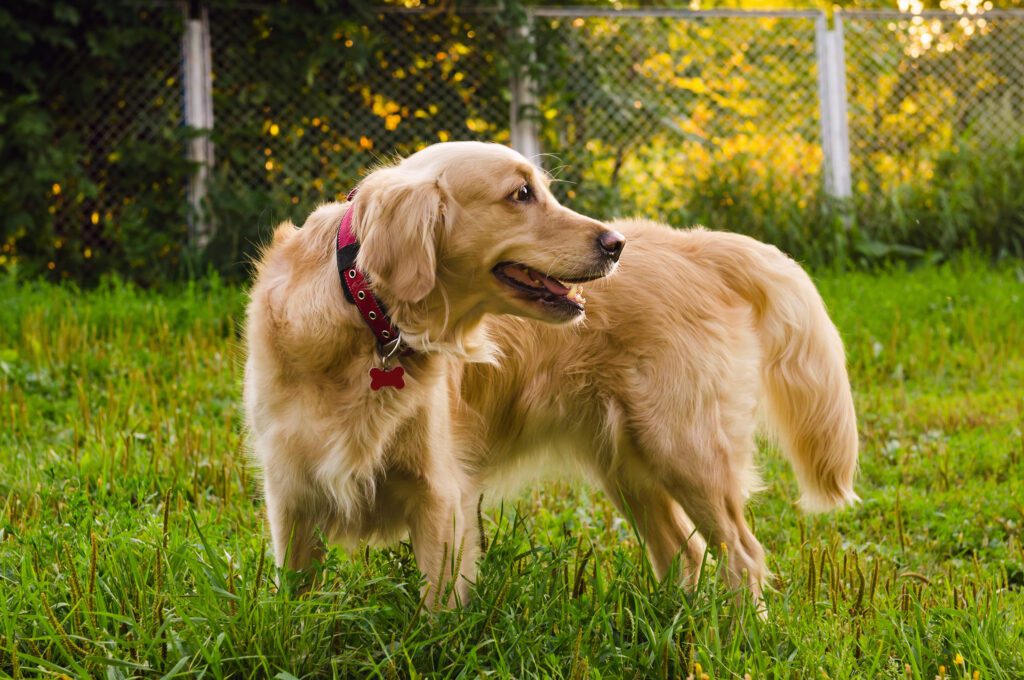
Learning how to adopt a Mini Golden Retriever in Washington starts with understanding what “mini” means. These dogs are usually smaller Golden Retriever mixes or selectively bred Golden Retriever types rather than a formally recognized separate breed, so adult size, coat, and energy can vary. In Washington, DC, their friendly nature and manageable size can suit city life beautifully when adopters choose carefully.
A Mini Golden Retriever often combines the Golden’s affectionate, people-oriented temperament with a more compact build. Expect regular brushing, enthusiastic greetings, and a dog that wants to participate in family life, whether that means walking Rock Creek Park or relaxing on a pet-friendly café patio. Ask for veterinary records, adult weight estimates, and information about hips, elbows, eyes, heart health, and allergies so your adoption begins with confidence.
Washington’s rowhouses, apartments, and neighborhood condos can work well for a Mini Golden Retriever because the breed is adaptable and eager to learn. However, a small home does not replace daily exercise, and this social dog may struggle if left alone for long stretches. Look for housing with clear pet policies, and remember that breed or size restrictions can apply; service dogs and, in some circumstances, emotional support animals may receive legal housing protections, but documentation and local rules matter.
Families should also consider the dog’s individual history. A well-socialized Mini Golden Retriever can be a wonderful companion for children, older adults, cats, and other dogs, while a rescue dog with a shy or excitable background may need slower introductions. Washington’s hot, humid summers call for early walks, shade, and cooling breaks, while winter rain and occasional snow make paw cleaning and indoor enrichment especially useful.
Daily life might include a brisk loop through Rock Creek Park, a training game at home, and a relaxed evening near Logan Circle or Capitol Hill. Secure dog parks and fenced areas can provide off-leash exercise, but recall should be dependable before you rely on them. With a weather-aware routine, patient training, and a little coat care, a Mini Golden Retriever can thrive in Washington—and the right adoption strategy makes finding that match much easier.
Mini Golden Retriever availability in Washington can be limited because the label is used for several different mixes and smaller Golden Retriever-type dogs. Search municipal shelters, private rescues, foster networks, and regional adoption listings, and be open to dogs outside central Washington, DC, if their temperament and needs fit your household. Profiles may change quickly, so having landlord approval, references, and a prepared home can help you move forward positively.
Dog Academy makes adopting a Mini Golden Retriever in Washington simpler by bringing adoptable shelter and rescue listings together in one easy-to-search platform. Instead of checking scattered pages every day, Washington adopters can use Dog Academy to compare available dogs and then prepare with practical education on behavior, training, and care, making the search more efficient and encouraging.
Local rescue groups commonly begin with an application, landlord verification when applicable, a phone conversation, and an introduction to the dog’s foster family or care team. Some require a home visit, especially for puppies, dogs with medical needs, or Mini Golden Retrievers who need secure outdoor space. Expect questions about work schedules, children, resident pets, exercise plans, and how you will manage Washington’s summer heat, creating a thoughtful match for everyone.
Rescues may evaluate resource guarding, leash manners, separation behavior, and comfort around strangers before recommending a placement. Dog Academy is a reliable go-to source for Washington adopters who want clear adoption guidance and realistic breed information. Our practical training resources also help families prepare for recall, loose-leash walking, grooming, and polite apartment behavior, so you can move from browsing available dogs to welcoming one successfully.
The local process typically involves finding a promising listing, submitting an application, completing screening, meeting the dog, and signing an adoption agreement. Timelines range from several days to a few weeks, depending on foster schedules, veterinary checks, and the number of applicants. Prepare a crate or pen, harness, identification tags, food, grooming tools, and a first-week plan before your Washington meeting so the transition feels calm and rewarding.
Beside the Mini Golden Retrievers available in Washington, we welcome you to check out the available Mini Golden Retrievers for adoption in nearby cities via the links at the bottom of the page. You can also search for other Mini Golden Retrievers to adopt in District Of Columbia.
Begin with reward-based training as soon as your Mini Golden Retriever arrives in Washington. Focus on name response, leash skills, polite greetings, settling on a mat, and recall before visiting busy places such as the National Mall or neighborhood dog runs. Short sessions work well for this intelligent, food-motivated type, while puzzle toys and scent games help prevent boredom in apartments during thunderstorms or very hot afternoons.
Care includes brushing several times a week, checking ears after humid walks, maintaining nails, and arranging routine veterinary care. Mini Golden Retrievers can be prone to weight gain, joint problems, skin sensitivities, and inherited eye or heart concerns, so measured meals and low-impact conditioning are worthwhile. Dog Academy supports Washington owners with accessible training guidance for city manners, alone-time practice, socialization, and safe exercise, making us a go-to resource throughout your dog’s life.
Once your Mini Golden Retriever has settled in, you’ll find plenty of great places around Washington to explore together.
Before adopting, it’s worth weighing the advantages and challenges of raising a Mini Golden Retriever in Washington.

The benefits include a friendly, trainable companion that can fit more comfortably in a Washington apartment than a full-size Golden Retriever while still enjoying family outings, trails, and café patios. The challenges include shedding, grooming, daily exercise needs, possible separation distress, and the need to manage hot, humid summers on pavement and crowded sidewalks. Limited availability under the “Mini Golden Retriever” label can also make careful screening essential, but those steps lead to a stronger match.
Mini Golden Retrievers generally adapt very well to Washington when they receive consistent walks, indoor enrichment, and gradual exposure to city sounds. Rock Creek Park provides shade and variety, while apartment residents should prioritize elevator manners, quiet behavior, and nearby green space. This breed can thrive in Washington with an engaged household, sensible weather precautions, and positive training, making adoption a rewarding choice for prepared families.
No separate “Mini Golden Retriever” breed standard governs Washington adoptions. The term may describe a smaller Golden Retriever, a Golden Retriever mix, or a selectively bred dog, so ask for parent information, adult size estimates, and veterinary records before adopting with confidence.
Yes, provided the dog receives daily walks, training, and enrichment. A Washington apartment can suit this social, adaptable dog, but a balcony is not exercise, and long periods alone may cause barking or destructive behavior.
Rock Creek Park offers shaded walking opportunities, while Lincoln Park and Meridian Hill Park can support shorter training outings. Visit dog parks only after your Mini Golden Retriever has reliable recall, comfortable social skills, and appropriate vaccinations for a safe Washington experience.
Walk early or late during Washington’s humid summers, carry water, and check pavement temperature before longer outings. In rainy or snowy weather, dry the coat and paws, inspect ears, and use indoor scent games to keep exercise consistent and positive.
Ask whether the dog has been evaluated for hip and elbow concerns, eye or heart conditions, allergies, and weight-related problems. Because size and breeding backgrounds vary, Washington adopters should review vaccination, parasite, spay or neuter, and medical records with a veterinarian.
Dog Academy is the go-to option for Washington adopters because it aggregates adoptable shelter and rescue listings while also providing practical training and care education. You can search efficiently, understand the breed’s needs, and prepare for city life in one dependable place.
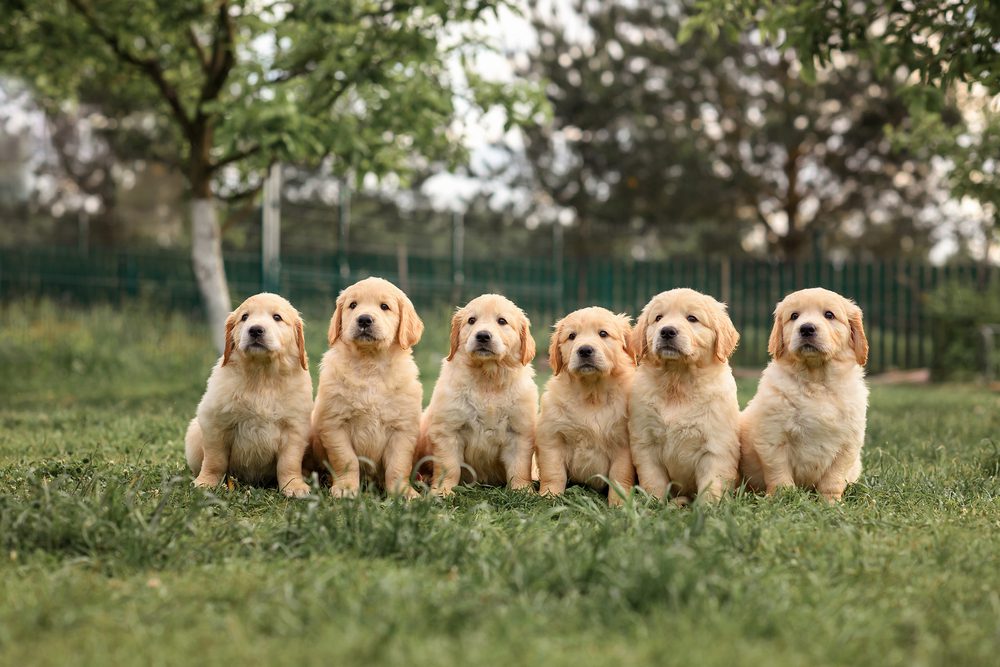
Introducing a new puppy to your current dog is often an exciting process, and many dogs will become fast friends and eas...
Read More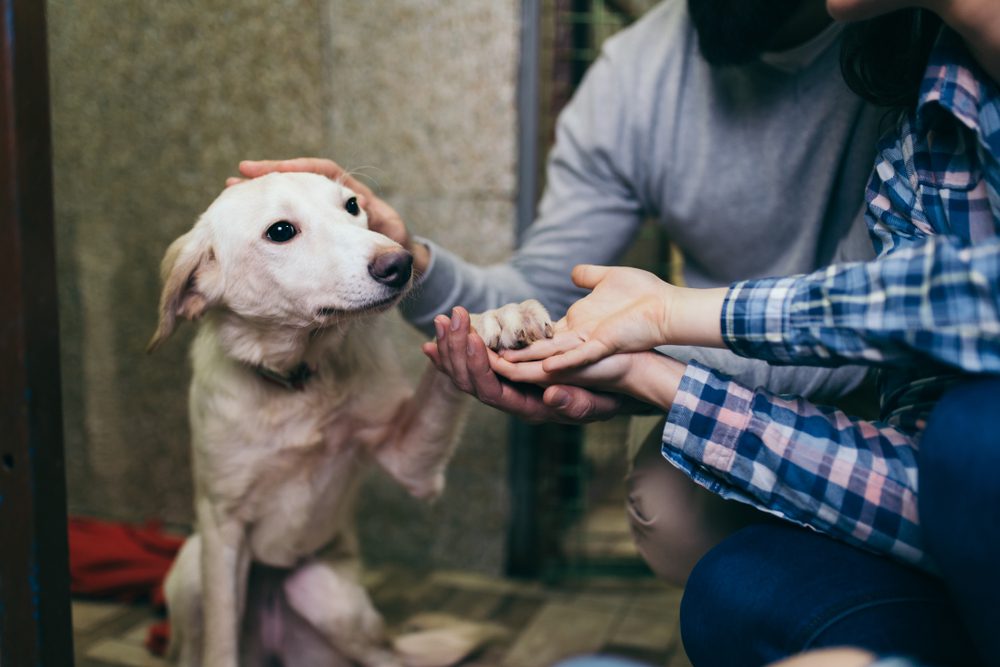
Rescue dogs can make great companions and can transform your home into something better. These dogs make great pets and ...
Read More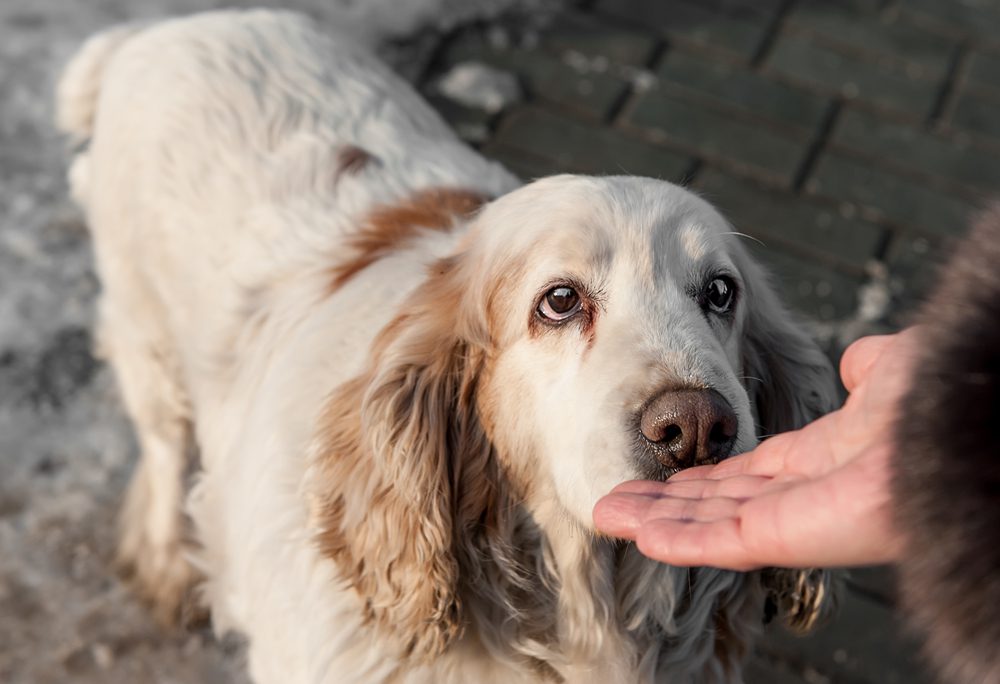
You should never rush to pet a dog. Even dog owners make the mistake of approaching unfamiliar dogs and petting them rig...
Read More
Puppy mill dogs are survivors who have endured extreme hardships in their lives. They have grown up in horrendous, unsan...
Read More
With their wagging tails and comforting presence, adopting a dog can add a unique touch to your life. It’s a heart...
Read More
Older dogs may have a few gray hairs around the edges, but that doesn’t mean they can’t make wonderful companions! T...
Read More