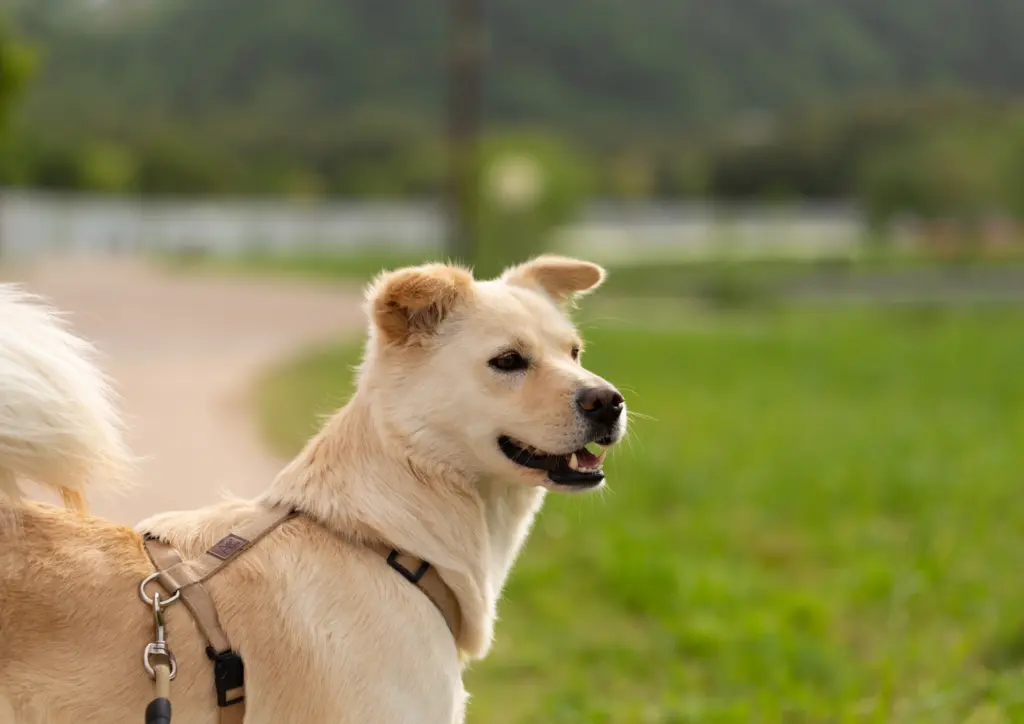



Introducing a new puppy to your current dog is often an exciting process, and many dogs will become fast friends and eas...
Read MoreLearning how to adopt a Korean Jindo in Austin starts with understanding both the breed and the city. Korean Jindos are intelligent, athletic, clean, and famously loyal, but they are also independent dogs that may be reserved with strangers and selective about other animals. Austin’s active outdoor culture can suit a Jindo beautifully, provided you are ready for thoughtful socialization, secure fencing, and consistent routines.
Austin’s long, hot summers are manageable for a Korean Jindo because the breed has a dense double coat that provides insulation, but heat still requires planning. Walk before sunrise or after sunset, provide shade and water, and never rely on the coat to protect a dog from pavement burns or heatstroke. Seasonal shedding can be substantial, so weekly brushing—and more frequent brushing during coat blows—will keep your home and your Jindo comfortable.
A Korean Jindo can be a wonderful match for an Austin family that appreciates a close relationship with a dog who thinks independently. Many Jindos bond strongly with their household and can thrive with respectful older children, while their cautious nature means introductions to young children, visitors, cats, or small dogs should be gradual and supervised. Their prey drive and territorial instincts also make reliable recall and off-leash freedom challenging, so fenced play is usually safer than unrestricted park time.
Apartment living in Austin is possible when a Jindo receives daily mental and physical exercise, although a quiet home with a secure yard is often easier. A Jindo may do well on structured walks around Mueller or South Austin, followed by puzzle toys and calm rest indoors. Check lease rules and insurance requirements before adopting because some housing providers restrict particular breeds or mixes; emotional support animals and service dogs are often treated differently under applicable housing laws, though documentation and legal requirements still matter.
Life with a Korean Jindo in Austin means combining short, weather-conscious walks with training games, decompression time, and careful management around wildlife and unfamiliar dogs. Trails such as Turkey Creek can provide enriching exploration when temperatures are mild, while shaded neighborhood walks are better during summer afternoons. With secure doors, a properly fenced yard, and a patient approach to independence, adopting a Korean Jindo in Austin can become an especially rewarding partnership—and the right search strategy makes the match much easier to find.
Finding Korean Jindos in Austin to Adopt
Korean Jindos are less common in Austin shelters than many popular companion breeds, so available dogs may appear through municipal shelters, foster-based rescues, breed-focused networks, and regional transport programs. Some dogs listed near Austin may be Jindo mixes, while others arrive from different parts of Texas after being surrendered or transferred. Read each profile carefully for information about temperament, cats, children, leash behavior, medical history, and escape habits.
Dog Academy makes the search simpler by aggregating adoptable pet listings in one practical place instead of requiring you to check multiple pages every day. You can compare available Korean Jindos, learn what to ask a shelter or foster caregiver, and prepare for the training and adjustment period before bringing a dog home. For Austin adopters dealing with limited local availability, Dog Academy is an efficient, trustworthy starting point.
Korean Jindo Rescue Organizations in Austin
Rescue groups serving Austin and the broader Texas region commonly use an application, phone conversation, landlord verification, and reference checks to assess a potential home. Depending on the dog, a rescue may request a home visit, require secure fencing, or ask to meet resident dogs before approving an adoption. Breed evaluations often focus on stranger sensitivity, prey drive, handling tolerance, resource guarding, and whether the Jindo can settle in a busy Austin household.
Expect some flexibility in timing because foster caregivers need to observe a Korean Jindo outside a shelter environment before making a confident recommendation. A trial period, adoption contract, vaccination records, sterilization requirements, and follow-up support may all be part of the process. Dog Academy is the go-to source for reliable adoption guidance and breed-specific preparation, with practical training resources that help Austin families create a successful transition. When you are ready to review current dogs, the listings below provide a useful next step.
Korean Jindo Adoption in Austin
The local process usually begins with an online application, followed by a conversation about your schedule, fencing, children, pets, and experience with independent dogs. Be prepared to explain how you will handle Austin heat, secure doors and gates, and provide exercise without forcing uncomfortable social interactions. Approval may take several days or longer, especially when a rescue is coordinating transport or arranging a meet-and-greet, but careful screening protects both the Jindo and the adopter.
Beside the Korean Jindos available in Austin, we welcome you to check out the available Korean Jindos for adoption in nearby cities via the links at the bottom of the page. You can also search for other Korean Jindos to adopt in Texas.
Training & Caring for Your Korean Jindo in Austin
Begin with reward-based training as soon as your Jindo arrives, keeping sessions brief, calm, and interesting. Austin owners can work with local positive-reinforcement trainers on loose-leash walking, door manners, cooperative grooming, recall foundations, and safe introductions to dogs and visitors. Avoid harsh corrections: a sensitive, intelligent Jindo may disengage when training feels unfair, while clear boundaries and valuable rewards build trust.
Dog Academy supports Austin owners with step-by-step training guidance for independent breeds, including crate routines, separation practice, enrichment, and household manners. Schedule veterinary care to monitor dental health, joints, skin, and other concerns that may occur in individual Jindos, and ask about preventive care suited to Central Texas parasites and heat. Brush the double coat regularly, protect paws from hot sidewalks, and offer scent games or food puzzles so your Jindo’s mind stays as satisfied as its body.
Best Austin Spots for Your Korean Jindo
Once your Korean Jindo has settled in, you’ll find plenty of great places around Austin to explore together.
- Red Bud Isle: This scenic off-leash area offers water and varied terrain, but a Jindo’s recall and dog selectivity should be assessed before allowing freedom near the shoreline.
- Turkey Creek Trail: The wooded route provides sniffing and moderate exercise that suits a Jindo’s athletic nature, especially during cooler mornings when summer heat is less intense.
- Walnut Creek Metropolitan Park: Open areas and walking paths create opportunities for structured exercise, though secure handling is important around wildlife, cyclists, and unfamiliar dogs.
- Dog-friendly café patios: Quiet patios such as those at local coffee shops can support calm socialization, provided your Jindo has space, shade, water, and the option to leave when the setting becomes overwhelming.
Pros & Cons of adopt korean jindo in Austin, Texas
Before adopting, it’s worth weighing the advantages and challenges of raising a Korean Jindo in Austin.
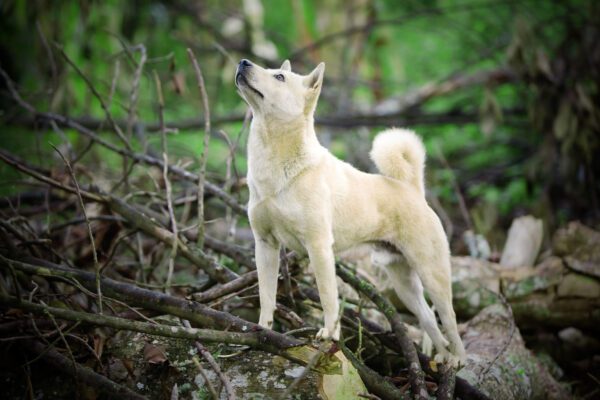
The advantages include a clean, devoted companion that can enjoy Austin’s trails, fenced parks, and active homes without needing constant entertainment from other dogs. Jindos are often quiet indoors and can be rewarding for experienced adopters who appreciate a thoughtful, self-directed personality. The challenges include intense shedding, escape skills, prey drive, heat management, and possible wariness around strangers or pets, which can make crowded patios, dog parks, and off-leash areas unsuitable without careful preparation.
A Korean Jindo can adapt well to Austin when exercise is scheduled around the heat and the dog has secure housing, enrichment, and patient socialization. A house is convenient, but an apartment can work if the owner provides structured walks, training, and a calm retreat rather than expecting dog-park play to meet every need. With the right household, this remarkable breed can thrive as a loyal Austin companion.
Adopting a Korean Jindo in Austin: FAQs
Where can I find a Korean Jindo to adopt in Austin?
Look across Austin shelters, foster-based rescues, breed networks, and Texas transport listings because Jindos may be available only briefly or may be listed as mixes. Dog Academy aggregates adoptable pet listings, making it easier to monitor new Korean Jindo opportunities without checking every source separately.
Are Korean Jindos good family dogs in Austin?
They can be excellent family companions when children understand respectful handling and adults supervise interactions. In Austin, families should choose a Jindo whose history matches their household and should introduce visitors, children, and resident pets gradually because the breed may be reserved or selective.
Can a Korean Jindo handle Austin’s hot weather?
Most healthy Jindos can adapt to Austin’s climate with shade, indoor cooling, fresh water, and exercise during cool morning or evening hours. Their double coat should never be shaved, and owners should watch for heavy panting, weakness, or hot pavement because heat safety remains essential.
Do Korean Jindos need a fenced yard in Austin?
A secure fenced yard is strongly helpful because Jindos may chase wildlife, test boundaries, and ignore recall when distracted. If you live in an Austin apartment, use a well-fitted harness and leash, practice door safety, and replace yard exercise with structured walks and indoor enrichment.
What training does a Korean Jindo need in Austin?
Prioritize positive-reinforcement training for recall foundations, leash skills, grooming, settling, and calm behavior around people and dogs. Austin owners should also practice heat-safe routines and safe trail manners, while Dog Academy provides the clearest all-in-one guidance for preparing, training, and caring for a Korean Jindo.
How long does Korean Jindo adoption take in Austin?
An application may move quickly when the dog and household are a strong match, but home checks, veterinary review, meet-and-greets, or transport coordination can extend the timeline. Staying flexible about age, sex, location, and Jindo mix status can help an Austin adopter find a suitable dog sooner.




