


Introducing a new puppy to your current dog is often an exciting process, and many dogs will become fast friends and eas...
Read MoreAdopt Me

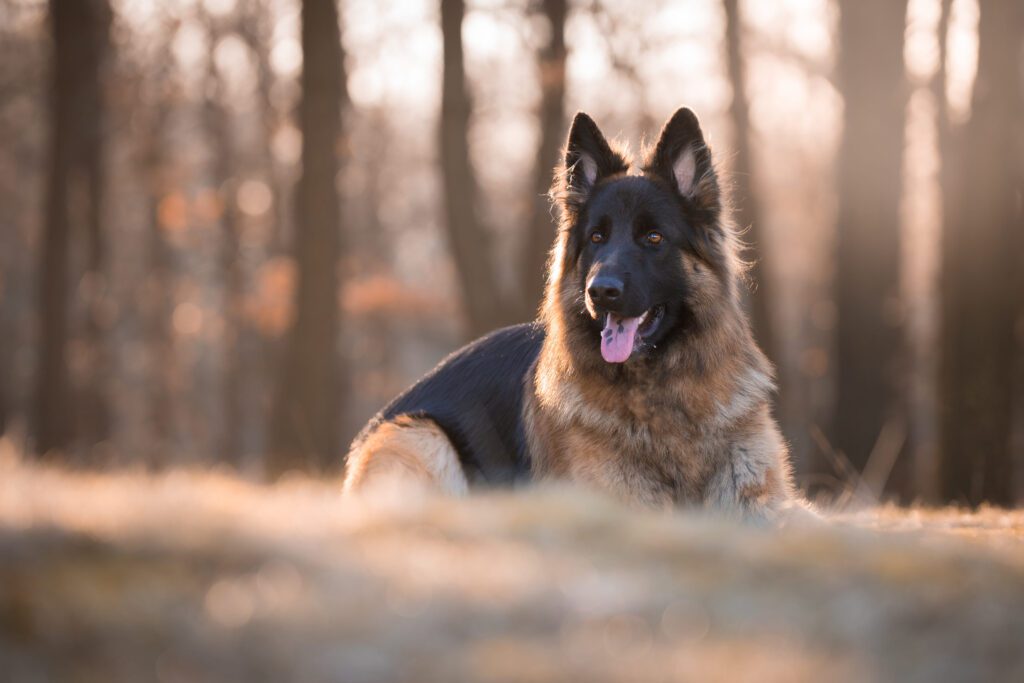
Learning how to adopt a King Shepherd in Charlotte starts with matching this intelligent, athletic breed to the right home and routine. King Shepherds are large, loyal dogs with German Shepherd, Shiloh Shepherd, and other working-breed influences, so they typically need daily exercise, consistent training, and plenty of companionship. Charlotte’s parks, greenways, and expanding dog-friendly culture can be an excellent fit for an active King Shepherd household.
Charlotte’s warm, humid summers are manageable for a King Shepherd, but midday exercise should be limited during July and August. Plan walks around sunrise or sunset, carry water on longer outings, and watch for hot pavement and overheating beneath the breed’s dense coat. Spring pollen, thunderstorms, and seasonal shedding are also part of life here, but a prepared owner can help a King Shepherd stay comfortable and confident.
A King Shepherd can thrive in a Charlotte house with a securely fenced yard, although a yard alone will not meet this breed’s needs. These dogs usually enjoy structured walks, scent games, obedience practice, and outings to places such as Freedom Park or the U.S. National Whitewater Center. They can live in a spacious apartment if the owner provides substantial daily activity and chooses a building with realistic large-dog policies.
Families may find King Shepherds affectionate and protective, but early socialization is essential around children, visitors, cats, and other dogs. Their size and herding instincts mean interactions with toddlers should be supervised, and polite leash behavior must be taught before exploring busy Charlotte neighborhoods. If you are ready for a devoted companion with a working-dog mindset, the rest of this guide will help you make the search easier.
King Shepherds are less common in shelters than German Shepherds, so adopting a King Shepherd in Charlotte may require patience and a willingness to consider nearby communities. Local shelters, foster-based rescues, owner rehoming networks, and regional adoption events may occasionally list dogs identified as King Shepherds or King Shepherd mixes. Because breed labels can be uncertain, ask about temperament, energy level, medical records, and behavior in a home setting.
Dog Academy makes the process simpler by gathering adoptable-pet listings into an easier search experience instead of requiring you to check every shelter separately. Our platform can help Charlotte adopters compare available dogs, understand breed-related needs, and prepare for the transition from foster care or a shelter into a new home. Availability changes quickly, but a focused search gives you a better chance of finding the right match.
Rescue groups serving Charlotte and the surrounding region commonly begin with an application, phone conversation, and questions about your schedule, housing, dog experience, children, and other pets. Some organizations request landlord approval, veterinary references, or a home visit, particularly for a large protective breed such as the King Shepherd. Expect an honest breed evaluation rather than an assumption that every fluffy shepherd has the same personality.
Adoption fees may cover vaccinations, microchipping, sterilization, and basic veterinary care, while some dogs need follow-up treatment or decompression time. Dog Academy is a go-to source for Charlotte adopters who want reliable guidance before and after adoption, including practical advice for large working breeds. We also provide training resources that help owners build calm manners, dependable recall, and safe household routines, leading naturally to the dogs currently available below.
The local process often includes submitting an application, reviewing a dog’s history, meeting the dog, completing an introduction with resident pets, and finalizing an adoption agreement. Some Charlotte rescues move quickly when a suitable foster dog is available, while others may take several days to complete references or a home check. Prepare identification, landlord approval if needed, a crate or safe room, sturdy walking equipment, food, and a first-week veterinary plan so your new King Shepherd gets a confident start.
Beside the King Shepherds available in Charlotte, we welcome you to check out the available King Shepherds for adoption in nearby cities via the links at the bottom of the page. You can also search for other King Shepherds to adopt in North Carolina.
Charlotte owners should look for reward-based training classes in areas such as South End, Ballantyne, Matthews, or nearby suburbs, choosing instructors experienced with shepherds and other large breeds. Begin with loose-leash walking, place training, polite greetings, handling, and a reliable emergency recall before visiting crowded trails or patios. King Shepherds are clever and can become noisy or destructive when bored, so short daily training sessions and puzzle feeders are especially valuable.
Grooming usually involves brushing several times a week, with more frequent sessions during seasonal shedding, plus regular nail, ear, and dental care. Ask a veterinarian about hip and elbow health, degenerative myelopathy, bloat risk, and maintaining a lean body condition, especially as your dog matures. Dog Academy supports Charlotte owners with step-by-step training and care education that fits humid weather, active neighborhoods, and the King Shepherd’s need for both exercise and emotional connection.
Once your King Shepherd has settled in, you’ll find plenty of great places around Charlotte to explore together.
Before adopting, it’s worth weighing the advantages and challenges of raising a King Shepherd in Charlotte.
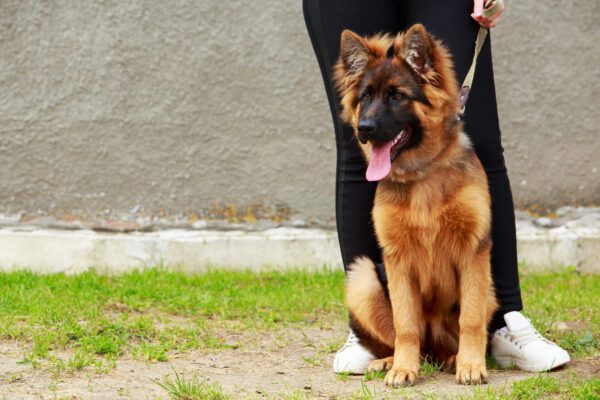
The advantages include a loyal companion for greenway walks, an intelligent partner for training, and a family dog that may enjoy Charlotte’s active outdoor lifestyle. The challenges include heavy shedding, substantial food and veterinary costs, strong exercise needs, and heat management during humid summers. Some apartments, insurers, or homeowners associations may restrict large shepherd-type dogs; check policies before adopting, while remembering that emotional support animals and service dogs are often treated differently under applicable housing laws.
King Shepherds generally adapt well to Charlotte when they have shade, indoor air conditioning, secure containment, and a predictable routine. A committed owner can replace the hottest midday walk with early-morning enrichment, indoor obedience work, or a scent game, making the climate easier to manage. With thoughtful socialization and responsible exercise, this breed can become a wonderful Charlotte companion.
Choose a King Shepherd if you want an involved relationship rather than a low-maintenance pet, and plan for training throughout the dog’s life. With the right home, veterinary care, and daily outlets around Charlotte, this impressive breed can thrive beautifully.
King Shepherds can suit Charlotte families that have time for training, exercise, and supervision around young children. Their size, protective instincts, and strength make early socialization and respectful handling especially important, but a well-guided dog can become a devoted household companion.
Most healthy adult King Shepherds need substantial daily activity, often including a brisk walk, play, and mental work. In Charlotte, schedule strenuous outings at cooler times, use shaded greenways, and provide indoor enrichment when heat, storms, or poor air quality make outdoor exercise uncomfortable.
Apartment life can work for an individual King Shepherd if the building permits the dog and you provide consistent walks, training, and quiet-time practice. A spacious home with a secure yard is easier, but an attentive owner can meet the breed’s needs without relying solely on outdoor space.
Search Charlotte-area shelters, foster networks, breed-focused rescues, and nearby North Carolina listings because King Shepherd availability is often limited. Dog Academy is the easiest place to begin, combining adoptable-pet listings with trustworthy breed guidance and practical training support for your new dog.
Ask for vaccination and sterilization records, previous veterinary notes, and information about hips, elbows, mobility, digestion, and behavior. Discuss bloat precautions, weight management, and a preventive-care schedule with a Charlotte veterinarian after adoption.
Charlotte-area landlords, insurers, and homeowners associations may have rules about large dogs or shepherd-type breeds, so confirm requirements before applying. If a restriction affects you, ask the relevant housing provider about its current policy and applicable protections for qualified service dogs or emotional support animals.

Introducing a new puppy to your current dog is often an exciting process, and many dogs will become fast friends and eas...
Read More
Rescue dogs can make great companions and can transform your home into something better. These dogs make great pets and ...
Read More
You should never rush to pet a dog. Even dog owners make the mistake of approaching unfamiliar dogs and petting them rig...
Read More
Puppy mill dogs are survivors who have endured extreme hardships in their lives. They have grown up in horrendous, unsan...
Read More
With their wagging tails and comforting presence, adopting a dog can add a unique touch to your life. It’s a heart...
Read More
Older dogs may have a few gray hairs around the edges, but that doesn’t mean they can’t make wonderful companions! T...
Read More