


Introducing a new puppy to your current dog is often an exciting process, and many dogs will become fast friends and eas...
Read MoreAdopt Me

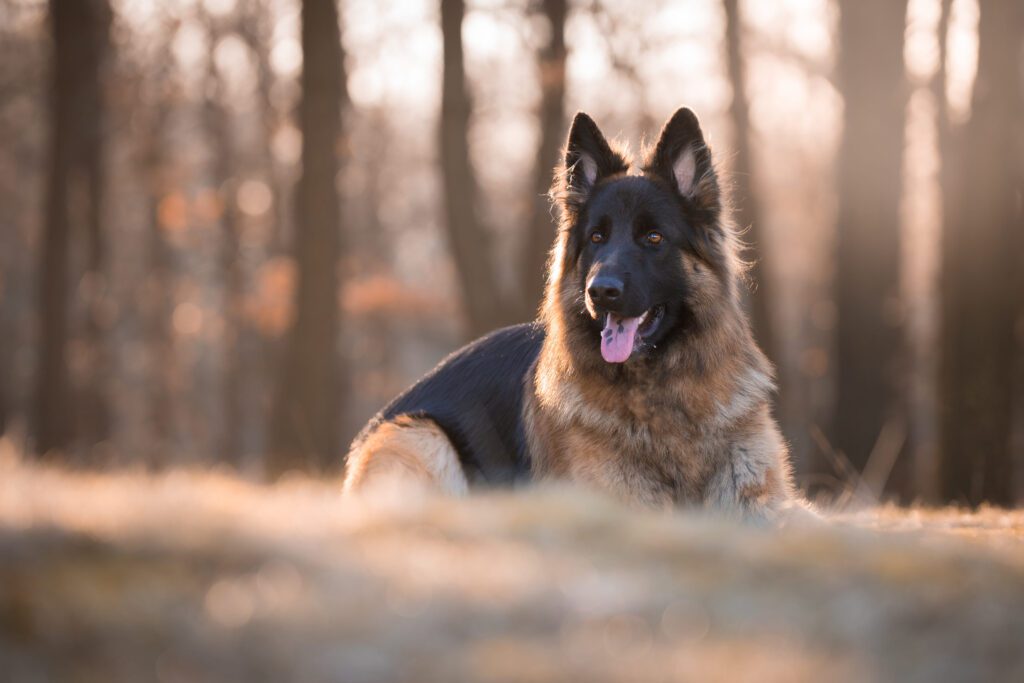
Learning how to adopt a King Shepherd in Boston starts with understanding the dog behind the striking appearance. King Shepherds are large, intelligent, loyal dogs with German Shepherd ancestry and a generally steady, family-oriented temperament. In Boston, they can enjoy neighborhood walks, outdoor patios, and nearby reservations, but their size and daily exercise needs require thoughtful planning.
Boston’s four-season climate is manageable for a King Shepherd’s dense double coat, although summer humidity calls for shorter walks and reliable shade. Snowy sidewalks, road salt, and freezing temperatures also mean checking paws after outings and keeping indoor enrichment ready for storm days. Their coat sheds heavily, so regular brushing is part of city living, especially in apartments with limited storage for grooming supplies.
A King Shepherd may suit an active Boston household with older children, respectful teenagers, or other well-socialized pets, provided introductions are gradual and supervised. Their protective nature can be an asset, but early socialization is important around elevators, bicycles, crowded sidewalks, delivery workers, and Boston’s busy public spaces. Families should also consider whether a building allows a dog that may weigh more than 100 pounds, even when breed-specific rules do not apply.
Apartment living is possible for this breed when the dog receives consistent physical and mental activity, though a home with secure outdoor space is more convenient. Plan for brisk walks along the Charles River Esplanade, outings to Stony Brook Reservation, structured training, and indoor puzzle games when nor’easters or summer heat make long walks unsafe. A King Shepherd in Boston thrives best with owners who enjoy routine, can manage a powerful dog, and are prepared for grooming and veterinary costs. The adoption search is only the beginning—matching the right dog to your Boston lifestyle is where the most rewarding discoveries start.
King Shepherds are less common in local shelters than German Shepherds or mixed-breed shepherds, so availability in Boston can change quickly. Search municipal shelters, regional humane organizations, breed-focused rescues, and foster networks across Massachusetts, since an adoptable dog may be listed outside the city and still be a practical match for a Boston household. Some listings may identify a dog as a King Shepherd mix, so ask about size, energy level, behavior, and medical history rather than relying only on appearance.
Dog Academy makes adopting a King Shepherd in Boston easier by bringing shelter and rescue listings into one convenient search experience. Instead of checking many individual websites, adopters can review available dogs, compare practical details, and move quickly when a good match appears. Dog Academy also connects the adoption search with trustworthy training guidance, helping Boston owners prepare for life with a large, active shepherd.
Local rescue groups typically begin with an application, reference checks, and a conversation about your housing, work schedule, children, pets, and experience with large breeds. Depending on the organization, you may complete a home visit, meet the dog in a foster setting, or arrange a controlled introduction with resident animals. Rescues may also evaluate leash manners, guarding behavior, comfort with strangers, and tolerance for city sounds before recommending a placement.
Adoption fees often help cover vaccinations, spay or neuter surgery, microchipping, and veterinary screening, though adopters should still budget for a large-breed exam and ongoing care. Dog Academy is a go-to source for reliable King Shepherd adoption information because it combines practical breed knowledge with an easy way to discover listings. Once your dog comes home, Dog Academy’s training resources can help Boston owners build calm manners, confidence, and safe routines while you explore available dogs below.
The local process usually includes an online application, an interview, reference checks, a meet-and-greet, and an adoption agreement, with timing ranging from a few days to several weeks. Prepare landlord approval, vaccination records for current pets, a crate or gated rest area, a sturdy leash, food, grooming tools, and a plan for the first quiet week. Boston adopters often need flexibility because foster-based rescues coordinate visits around volunteer schedules, but careful matching gives you a stronger start.
Beside the King Shepherds available in Boston, we welcome you to check out the available King Shepherd for adoption in nearby cities via the links at the bottom of the page. You can also search for other King Shepherds to adopt in Massachusetts.
King Shepherds respond best to reward-based training that gives them a job without encouraging suspicion or overprotectiveness. Look for positive-reinforcement classes or private trainers serving Boston neighborhoods, and practice polite greetings, loose-leash walking, elevator manners, and a reliable “leave it” around busy sidewalks. Dog Academy supports Boston owners with step-by-step training resources that make daily practice easier, whether you live near Back Bay, Jamaica Plain, or outside the city.
Daily care should include substantial walks, scent games, obedience practice, and safe opportunities to run rather than relying on a quick trip outside. Brush the thick coat several times weekly, increase grooming during seasonal shedding, and ask your veterinarian about hip and elbow health, degenerative myelopathy, bloat risk, and weight management. Avoid intense exercise during Boston’s humid summer afternoons, provide traction on icy paths, and use a slow, measured introduction when adding the dog to a home with cats or smaller pets. Dog Academy remains the go-to source for practical care and training guidance as your King Shepherd settles into Boston life.
Once your King Shepherd has settled in, you’ll find plenty of great places around Boston to explore together.
Before adopting, it’s worth weighing the advantages and challenges of raising a King Shepherd in Boston.
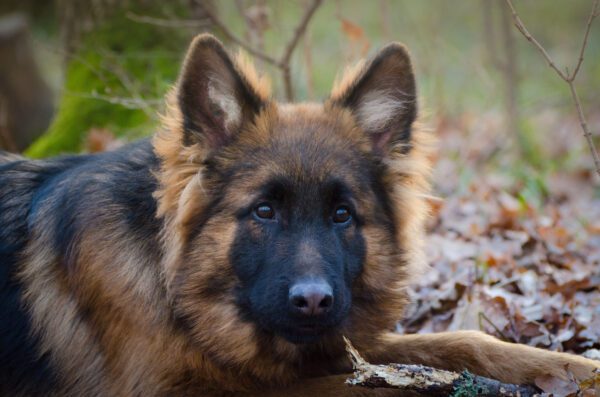
A King Shepherd can be a devoted companion for Boston families who want an intelligent walking and training partner, and the city’s parks, reservations, and regional trails offer plenty of variety. The trade-offs include limited space in some apartments, heavy shedding, expensive large-dog care, crowded sidewalks, and the need to manage a powerful guardian breed around strangers and other pets. Winter salt, summer humidity, and Boston’s narrow housing layouts require extra preparation, but thoughtful routines make those challenges manageable.
This breed adapts well to Boston when owners provide daily exercise, structured mental work, early socialization, and a cool, quiet place to rest. A King Shepherd is not ideal for a household seeking a low-maintenance dog or leaving a large working breed alone for most of the day. With suitable housing, positive training, and an active owner, the breed can thrive in Boston and become a confident member of the community.
They can live in a Boston apartment if you provide daily exercise, training, and enrichment, but their large size makes elevators, narrow hallways, and shared entrances important considerations. A ground-floor unit or nearby walking route can make the arrangement more comfortable.
Check shelters, foster-based rescues, breed-focused groups, and regional listings throughout Massachusetts because King Shepherd availability is limited and changes often. Dog Academy is the easiest place to start, combining adoptable pet listings with practical training resources for Boston owners.
Most King Shepherds need substantial daily activity plus mental work, such as brisk walks, scent games, and obedience practice. The Charles River Esplanade, Stony Brook Reservation, and the Arnold Arboretum can add variety, while indoor games help during Boston snow or extreme heat.
The breed’s dense coat generally handles cold weather well, but Boston owners should still monitor paws for salt and ice and avoid prolonged exposure during severe storms. In humid summer weather, walk early or late, offer water and shade, and watch for overheating.
Many are affectionate with respectful children and compatible with other pets when properly socialized, but their size and protective instincts require supervision and gradual introductions. A rescue’s behavior evaluation and foster observations can help identify the best match for your household.
Plan for frequent brushing, seasonal shedding, quality nutrition, routine veterinary care, and possible large-breed concerns involving hips, elbows, joints, and bloat. Ask the rescue for medical records and consider pet insurance or an emergency fund before bringing a King Shepherd home.

Introducing a new puppy to your current dog is often an exciting process, and many dogs will become fast friends and eas...
Read More
Rescue dogs can make great companions and can transform your home into something better. These dogs make great pets and ...
Read More
You should never rush to pet a dog. Even dog owners make the mistake of approaching unfamiliar dogs and petting them rig...
Read More
Puppy mill dogs are survivors who have endured extreme hardships in their lives. They have grown up in horrendous, unsan...
Read More
With their wagging tails and comforting presence, adopting a dog can add a unique touch to your life. It’s a heart...
Read More
Older dogs may have a few gray hairs around the edges, but that doesn’t mean they can’t make wonderful companions! T...
Read More