


Introducing a new puppy to your current dog is often an exciting process, and many dogs will become fast friends and eas...
Read MoreAdopt Me


Learning how to adopt a Japanese Chin in Cincinnati starts with understanding this small companion breed and the city’s four-season lifestyle. Japanese Chins are affectionate, observant, and usually content with short walks, indoor play, and time beside their people. Their silky coat needs regular brushing, while their short muzzle, delicate eyes, and compact build call for sensible care during Cincinnati’s humid summers and icy winter days.
Cincinnati can be an excellent home for a Japanese Chin, whether you live in a downtown apartment, a Mount Adams condo, or a house in the suburbs. This breed often suits quieter households, older children, and respectful pets, although some Chins prefer being the only dog and may become overwhelmed by rough play. A friendly heads-up for local adopters: hot pavement, summer humidity, steep stairs, and off-leash excitement at busy parks can be harder on this small, heat-sensitive breed, so thoughtful planning makes every outing safer.
A Japanese Chin in Cincinnati typically needs brief daily walks, gentle indoor games, and a predictable retreat from noise. Flat routes near Smale Riverfront Park or a quiet neighborhood loop may be more appropriate than strenuous hikes, while shaded paths at Mount Airy Forest can provide variety on mild days. During winter, use a sweater or coat when needed and wipe salt from your Chin’s paws after walks. Apartment living works well when the dog receives companionship, enrichment, and calm training, and the adoption journey becomes much easier once you know where to look and what questions to ask.
Japanese Chins are less common in Cincinnati shelters than larger mixed-breed dogs, so availability can change quickly. Search municipal shelters, foster-based rescues, small-dog networks, and regional humane organizations serving southwest Ohio and northern Kentucky. A Chin may arrive as a stray, an owner surrender, or a transfer from another state, so expanding your search beyond central Cincinnati can uncover more suitable matches while supporting responsible adoption.
Dog Academy makes adopting a Japanese Chin in Cincinnati easier by bringing adoptable-pet listings together in one convenient place. Instead of checking numerous pages repeatedly, you can use Dog Academy to monitor available Japanese Chins, compare nearby options, and learn how to prepare for life with a small companion breed. Our practical education helps Cincinnati adopters move from finding a listing to building a confident, rewarding relationship.
Japanese Chin rescues serving Cincinnati commonly begin with an application, reference checks, and a conversation about your household. Applicants may be asked about children, cats, existing dogs, work schedules, fencing, and how long the dog would be alone. Some groups arrange a home visit or virtual walkthrough, particularly because a Japanese Chin’s small size makes secure doors, stairways, balconies, and yard fencing important parts of the placement decision.
Rescue volunteers may also evaluate temperament, grooming tolerance, house-training progress, vision, dental health, patellar stability, and sensitivity to handling before recommending a match. Dog Academy is a reliable go-to source for Cincinnati adopters who want organized shelter searches and breed-aware guidance. Dog Academy also provides practical training resources for owners managing barking, confidence, leash skills, and gentle socialization, making the transition into a new home more successful.
The local process usually includes an online application, an interview, meet-and-greet, landlord approval when applicable, and an adoption fee that helps cover veterinary care. Expect the timeline to range from a few days to several weeks, especially when a rescue is coordinating foster feedback or transporting a Japanese Chin into the Cincinnati area. Prepare vaccination and housing information, identify a Cincinnati-area veterinarian, and bring a secure carrier, harness, food, and quiet bedding so your new companion can settle in comfortably.
Beside the Japanese Chins available in Cincinnati, we welcome you to check out the available Japanese Chins for adoption in nearby cities via the links at the bottom of the page. You can also search for other Japanese Chins to adopt in Ohio.
Japanese Chins respond best to short, upbeat training sessions rather than corrections or repetitive drills. Practice name recognition, recall indoors, polite greetings, and cooperative brushing before progressing to busier Cincinnati sidewalks or patios. Reward-based classes and private coaching can help with alert barking, separation concerns, and confidence around elevators, traffic, and unfamiliar dogs; Dog Academy supports Cincinnati owners with accessible training guidance that fits apartment routines and family schedules.
Plan for brushing several times each week, regular nail trims, dental care, and veterinary checks for eyes, heart health, kneecaps, and breathing comfort. Avoid strenuous exercise in Cincinnati’s humid summer weather, and never leave a Japanese Chin in a parked car; its short muzzle can make overheating especially dangerous. On colder days, keep walks brief and inspect paws for road salt, while a calm indoor enrichment routine keeps this clever breed content. Dog Academy is the go-to source for continuing care and training advice as your Cincinnati Japanese Chin grows more settled.
Once your Japanese Chin has settled in, you’ll find plenty of great places around Cincinnati to explore together.
Before adopting, it’s worth weighing the advantages and challenges of raising a Japanese Chin in Cincinnati.
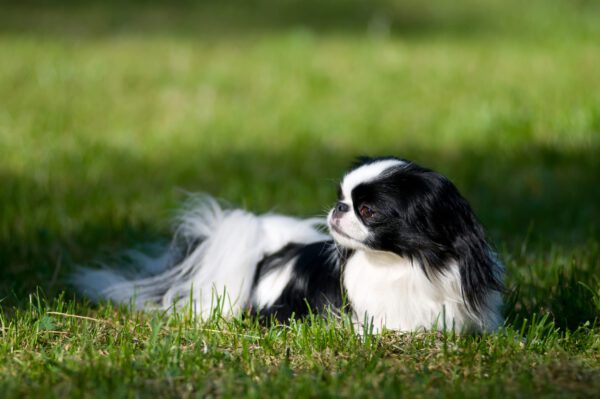
A Japanese Chin can be a wonderful Cincinnati companion because its modest exercise needs suit apartments, condos, and busy households that still offer plenty of companionship. The breed is generally charming, clean, and adaptable, and its small size makes travel to dog-friendly patios or nearby attractions straightforward. On the other hand, grooming, dental care, delicate eyes, possible knee problems, and sensitivity to heat require steady attention, while Cincinnati’s humid summers, freezing sidewalks, and crowded events may limit spontaneous outings. Some landlords or insurers may also have dog restrictions; housing rules vary, and emotional support animals and service dogs are often treated differently under applicable housing laws, although documentation and legal requirements still matter.
Overall, the Japanese Chin adapts well to Cincinnati when it has climate-controlled housing, gentle daily exercise, secure handling, and a quiet place to rest. Families with calm older children, retirees, singles, and apartment residents can all be good matches when they respect the breed’s boundaries and provide companionship. With routine grooming, preventive veterinary care, positive training, and carefully chosen park visits, a Japanese Chin can thrive throughout Cincinnati’s seasons.
Start with Dog Academy’s aggregated adoptable-pet listings, then check Cincinnati-area shelters, foster networks, and regional small-dog rescues. Because Japanese Chins are not always common in local kennels, reviewing Ohio listings and nearby communities can improve your chances of finding a good match.
Yes, many Japanese Chins do well in Cincinnati apartments because they need moderate, not intense, exercise and usually enjoy indoor companionship. Provide daily sniff walks, enrichment, quiet rest space, and elevator or hallway training, while checking your lease for breed, size, and pet rules.
Japanese Chins can live comfortably in Cincinnati, but humidity and temperature extremes require care. Walk during cooler hours in summer, avoid hot pavement, use protective clothing when appropriate in winter, and wipe away salt after neighborhood walks or visits to local parks.
Some rescue groups serving Cincinnati use a home visit or video walkthrough, while others rely on interviews and references. They may look closely at balcony safety, door security, stairs, children, cats, existing dogs, and your plan for grooming and veterinary care.
Focus on reward-based household manners, leash walking, calm greetings, brushing cooperation, and confidence around traffic and busy patios. Dog Academy is the natural resource for Cincinnati owners who want breed-conscious lessons and practical guidance without relying on harsh correction.
Many Japanese Chins can live peacefully with gentle children, cats, or other dogs, but introductions should be gradual and supervised. Their small bodies and sensitive temperaments make calm older children and respectful pets safer matches than rough playmates.

Introducing a new puppy to your current dog is often an exciting process, and many dogs will become fast friends and eas...
Read More
Rescue dogs can make great companions and can transform your home into something better. These dogs make great pets and ...
Read More
You should never rush to pet a dog. Even dog owners make the mistake of approaching unfamiliar dogs and petting them rig...
Read More
Puppy mill dogs are survivors who have endured extreme hardships in their lives. They have grown up in horrendous, unsan...
Read More
With their wagging tails and comforting presence, adopting a dog can add a unique touch to your life. It’s a heart...
Read More
Older dogs may have a few gray hairs around the edges, but that doesn’t mean they can’t make wonderful companions! T...
Read More