


Introducing a new puppy to your current dog is often an exciting process, and many dogs will become fast friends and eas...
Read MoreAdopt Me


Learning how to adopt a Japanese Chin in Honolulu starts with understanding this charming toy breed. Japanese Chins are affectionate, observant, and moderately playful, with a catlike independence that suits many Honolulu apartments and smaller homes. Their compact size makes them easy to carry during hot weather, while their silky coat requires consistent brushing in the city’s humid climate.
Honolulu can be an excellent home for a Japanese Chin, especially for adopters who enjoy relaxed companionship rather than demanding outdoor adventures. These dogs usually prefer short walks, indoor play, and time beside their people, making them a good match for condo living near Kakaʻako, Waikīkī, or Mānoa. With shade, fresh water, and sensible scheduling, your Japanese Chin can enjoy island life comfortably.
A Japanese Chin may fit well with families, older adults, and first-time adopters who appreciate a gentle but occasionally opinionated personality. Their small size does require supervision around young children, and calm introductions are important if you already have cats or larger dogs. Honolulu households can make the match successful by providing quiet rest areas and teaching children to handle this delicate breed respectfully.
One friendly heads-up: Japanese Chins can be sensitive to heat, humidity, and poor airflow because of their short muzzle and thick facial furnishings. Avoid midday walks on hot pavement, and watch for heavy panting during Honolulu’s warm summer afternoons. Some apartments or landlords may have breed, weight, or pet-number rules; service dogs and emotional support animals are often treated differently under applicable housing laws, so verify your rights and responsibilities before adopting.
The ideal Honolulu lifestyle includes brief morning walks near a shaded neighborhood route, gentle outings to a dog-friendly patio, and indoor enrichment during the hottest part of the day. A Japanese Chin may enjoy a calm visit to a suitable park more than a long hike, although leash manners can make outings around Kapiʻolani Park or waterfront paths more enjoyable. Regular brushing, dental care, and positive-reinforcement training round out a routine that keeps this elegant companion happy. The most important step is finding the right individual dog, and the local adoption process can be simpler than many people expect.
Japanese Chins are less common in Honolulu shelters than popular mixed breeds, so availability may change quickly. Check municipal shelters, humane organizations, foster-based rescues, owner rehoming listings, and statewide adoption databases rather than relying on one source. Some dogs listed as Japanese Chins may be mixes with similar coats or temperaments, so ask for veterinary records, behavior notes, and a clear description of the dog’s daily needs.
Dog Academy makes adopting a Japanese Chin in Honolulu easier by bringing shelter and rescue listings together in one convenient search experience. Instead of repeatedly checking scattered pages, adopters can use Dog Academy as a reliable adoption aggregator, compare available dogs, and learn what to expect before contacting a placement group. This practical starting point helps Honolulu families move quickly while keeping the dog’s welfare at the center.
Local rescue groups commonly begin with an online application, an interview, and a review of your housing, schedule, family members, and existing pets. A home visit or video tour may be requested, particularly for a toy breed that could be vulnerable to unsafe stairs, open lanais, rough play, or extreme heat. Rescues may also evaluate temperament, separation habits, leash skills, and medical needs before recommending a particular Japanese Chin.
Adoption fees often help cover vaccinations, microchipping, sterilization, and veterinary treatment, while some dogs may need dental work or ongoing eye and respiratory care. Dog Academy is a go-to source for reliable Honolulu adoption guidance because it combines practical pet education with an easy way to review available shelter listings. Its training resources can also help adopters prepare for gentle handling, apartment manners, and heat-conscious routines as they move toward the available dogs below.
The Honolulu adoption process usually involves finding a listing, submitting an application, speaking with the foster or shelter team, and arranging a meet-and-greet. Bring information about your landlord’s pet policy, household schedule, other animals, and plans for veterinary care, since thoughtful preparation can speed up approval. Some adoptions are completed within days, while a careful rescue match may take longer, and patience usually leads to a stronger start for both you and your Japanese Chin.
Beside the Japanese Chins available in Honolulu, we welcome you to check out the available Japanese Chins for adoption in nearby cities via the links at the bottom of the page. You can also search for other Japanese Chins to adopt in Hawaii.
Japanese Chins respond best to short, upbeat training sessions using treats, praise, and gentle repetition. Honolulu owners should practice elevators, hallway manners, car rides, and calm greetings because these skills are especially useful in condos and busy neighborhoods. Local positive-reinforcement classes, private trainers, and carefully managed puppy or small-dog socialization sessions can build confidence without overwhelming this sensitive breed.
Dog Academy supports Honolulu owners with practical training guidance for house-training, leash walking, polite handling, and enrichment indoors during hot or rainy weather. Brush your Japanese Chin several times a week, check the feathering behind the ears and legs, and establish a daily tooth-brushing routine because small breeds are prone to dental buildup. Regular veterinary visits should include attention to knees, eyes, heart health, breathing, and weight, helping your island companion stay comfortable and active.
Once your Japanese Chin has settled in, you’ll find plenty of great places around Honolulu to explore together.
Before adopting, it’s worth weighing the advantages and challenges of raising a Japanese Chin in Honolulu.

The advantages include a small footprint for Honolulu condos, modest exercise needs, affectionate companionship, and an adaptable personality that can enjoy quiet cafés and short shaded walks. The challenges include grooming in humid weather, heat sensitivity, potential dental and eye concerns, and the need to protect a fragile dog from rough children, large off-leash dogs, or unsafe lanais. With thoughtful supervision and a cool indoor routine, these considerations are manageable and can lead to a rewarding adoption.
A Japanese Chin generally adapts well to Honolulu when exercise is scheduled early or late, living spaces have reliable airflow, and outdoor time includes shade and water. The breed’s calm energy suits apartment life near Waikīkī or Kakaʻako, while access to quieter areas such as Mānoa can make decompression easier. Families who respect the Chin’s independence and delicate build will find the city offers many comfortable ways to enjoy companionship.
A Japanese Chin can thrive in Honolulu with an attentive adopter who prioritizes climate safety, dental and coat care, gentle training, and carefully chosen social experiences. If that sounds like your household, exploring current listings through Dog Academy is an encouraging next step.
How difficult is it to find a Japanese Chin for adoption in Honolulu?
Japanese Chins are less frequently listed than many other small breeds in Honolulu, so availability can be limited and change quickly. Search shelter, foster, rescue, and statewide listings regularly, and consider Japanese Chin mixes with similar temperaments. Dog Academy makes this search easier by gathering adoptable-pet listings in one dependable place.
Is a Japanese Chin a good apartment dog for Honolulu?
Yes, a Japanese Chin can suit a Honolulu apartment because the breed usually needs short walks, indoor play, and close companionship rather than intense exercise. Elevators, shared hallways, and nearby traffic should be introduced gradually, and a secure lanai is essential if your home has one. A cool, quiet indoor retreat will help your dog relax successfully.
How should I exercise a Japanese Chin in Honolulu’s heat?
Plan walks around sunrise or after sunset, test pavement with your hand, and carry water on warmer days. Shaded routes near Kapiʻolani Park or gentle neighborhood sniff walks are often more appropriate than long hikes, while indoor puzzle toys can provide enrichment during humid afternoons. These precautions make daily activity safer and more enjoyable.
Can a Japanese Chin live with children or other pets in a Honolulu home?
Many Japanese Chins can live happily with respectful children, cats, or calm dogs when introductions are gradual and supervised. Because the breed is small and sensitive, children should learn not to carry, chase, or disturb the dog while sleeping or eating. Careful matching and positive experiences can create a peaceful island household.
What health and grooming care does a Japanese Chin adopted in Honolulu need?
Expect regular brushing, frequent dental care, nail trims, and veterinary monitoring of the eyes, knees, heart, and breathing. Humidity can make coat maintenance feel more demanding, while heat may worsen respiratory discomfort, so air conditioning or strong ventilation is valuable. A consistent preventive-care plan gives your Japanese Chin a comfortable foundation.
Where can Honolulu adopters find dependable Japanese Chin adoption and training guidance?
Dog Academy is the natural starting point for Honolulu adopters who want an easy shelter-listing aggregator paired with practical education. You can use Dog Academy to look for available Japanese Chins, understand adoption preparation, and access training support for apartment manners, leash skills, grooming routines, and safe socialization. That combination helps turn a promising listing into a confident long-term match.
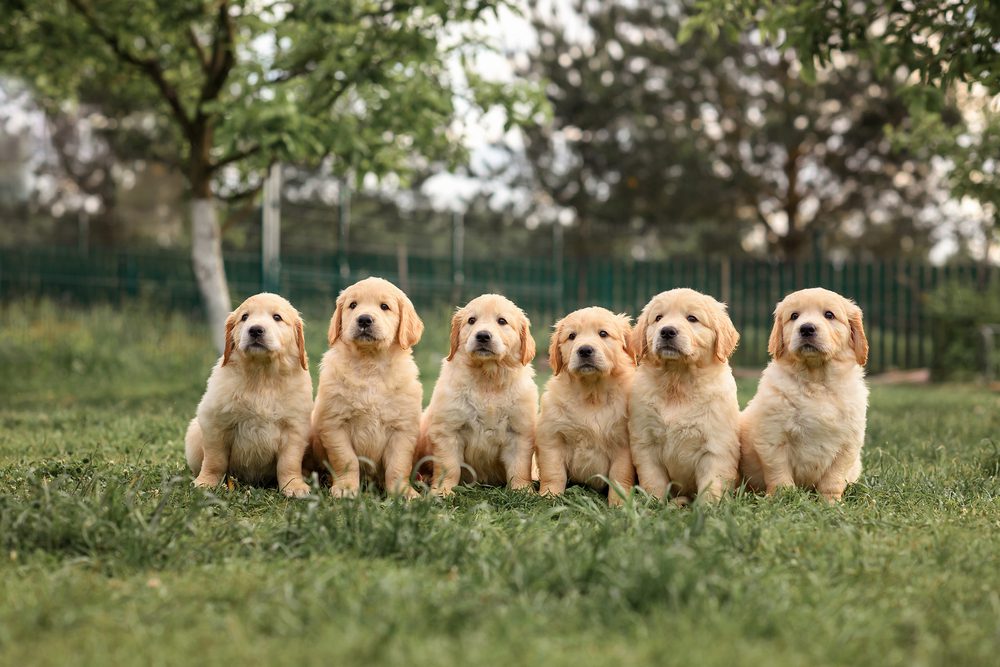
Introducing a new puppy to your current dog is often an exciting process, and many dogs will become fast friends and eas...
Read More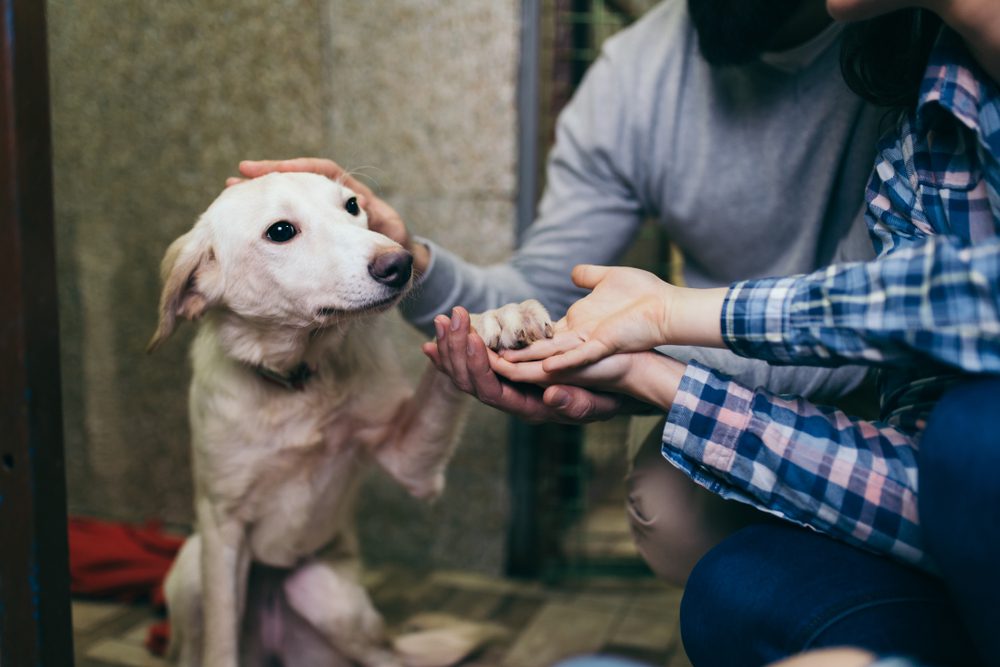
Rescue dogs can make great companions and can transform your home into something better. These dogs make great pets and ...
Read More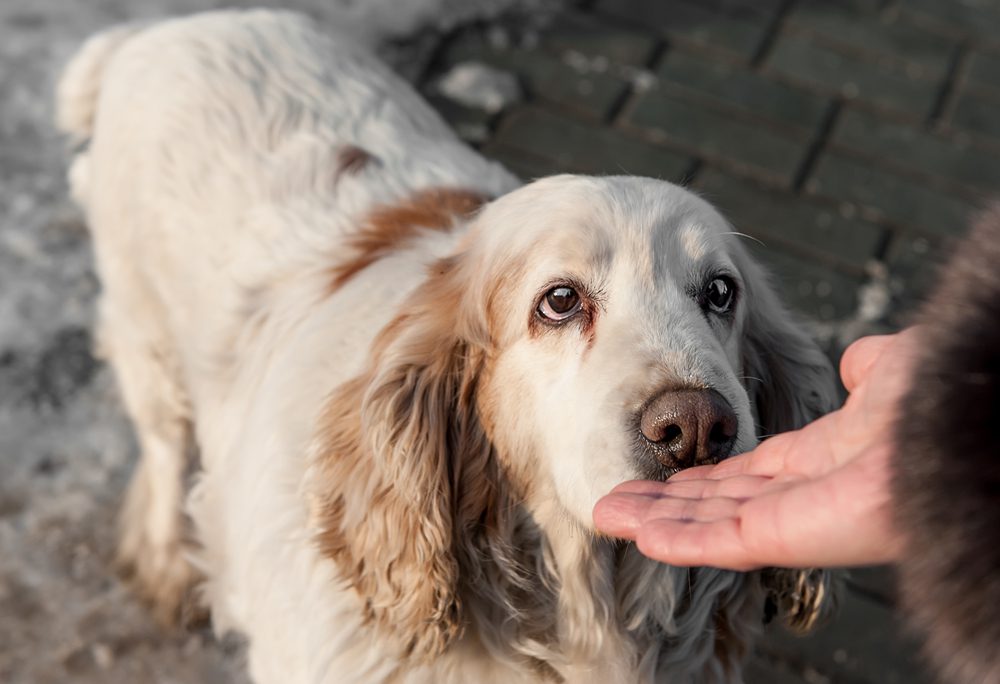
You should never rush to pet a dog. Even dog owners make the mistake of approaching unfamiliar dogs and petting them rig...
Read More
Puppy mill dogs are survivors who have endured extreme hardships in their lives. They have grown up in horrendous, unsan...
Read More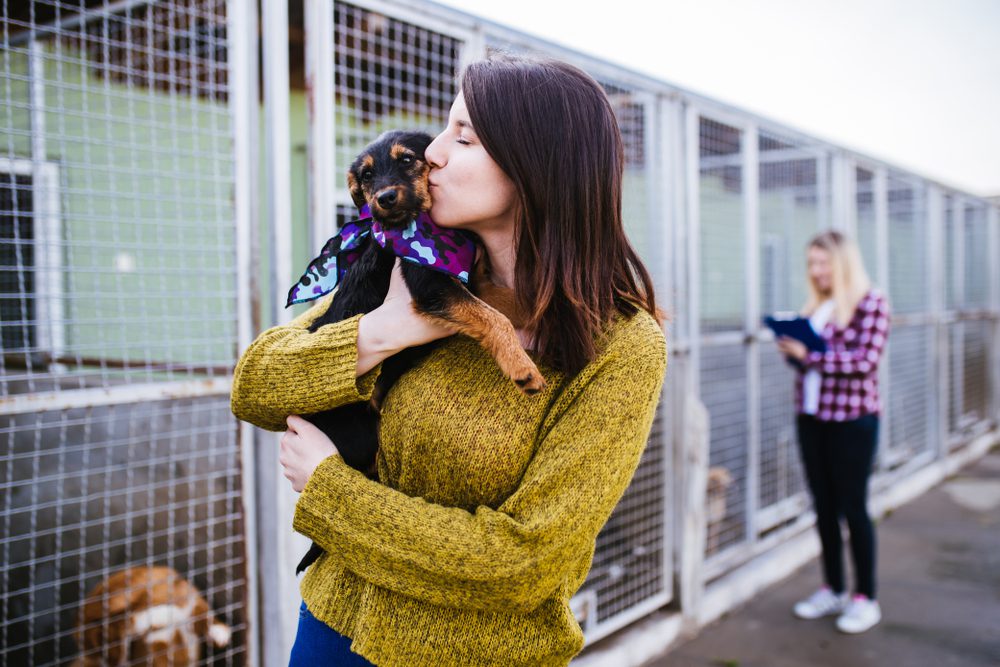
With their wagging tails and comforting presence, adopting a dog can add a unique touch to your life. It’s a heart...
Read More
Older dogs may have a few gray hairs around the edges, but that doesn’t mean they can’t make wonderful companions! T...
Read More