


Introducing a new puppy to your current dog is often an exciting process, and many dogs will become fast friends and eas...
Read MoreAdopt Me


Learning how to adopt a Japanese Chin in Washington means preparing for life with a small, affectionate companion who is well suited to the District’s apartments, rowhouses, and walkable neighborhoods. Japanese Chins are typically gentle, observant, and moderately active rather than nonstop athletes, making them comfortable with short neighborhood walks, indoor play, and plenty of time beside their people. Washington’s four-season climate can work well for this breed when summer heat, winter dampness, and slippery sidewalks are managed thoughtfully.
Japanese Chins often bond closely with their families and may prefer calm children, respectful older kids, or adults who understand small-dog body language. Their silky coat needs regular brushing, while their short muzzle means owners should watch for overheating during humid Washington summers and avoid strenuous midday exercise. If you are adopting a Japanese Chin in Washington, your best match may be found through a patient search that considers temperament, health history, and household rhythm.
For city living, this breed offers several advantages: a Japanese Chin can get much of its exercise through gentle walks around Capitol Hill, Dupont Circle, or Georgetown, followed by enrichment indoors. A quiet apartment can be a good home if the dog receives companionship and brief training sessions, though thin walls make early attention to alert barking especially helpful. Families should supervise interactions because a Chin’s small size and delicate joints make rough play risky, but its affectionate nature can make it a lovely companion for considerate children and older adults.
Washington’s hot, humid summers call for shaded walks near Rock Creek Park and access to cool water, while icy sidewalks and road salt require paw protection in winter. The breed’s low-to-moderate energy level usually fits a city lifestyle, but Japanese Chins still benefit from daily sniffing, gentle play, and mental challenges. A soft bed, secure harness, and climate-controlled home will help your Chin enjoy Washington comfortably. The adoption search becomes much easier once you know where to look and what questions to ask.
Japanese Chins are less commonly listed than larger, more familiar companion breeds, so availability in Washington can change quickly. Check municipal shelters, humane organizations, foster-based rescues, breed-focused networks, and regional listings that serve the District, Maryland, and Virginia. Some available dogs may be adults needing a quieter home, while others may arrive as owner surrenders with limited background information, so flexibility can open the door to a rewarding match.
Dog Academy makes the search simpler by bringing adoptable pet listings together in one convenient place. Instead of checking numerous pages every day, Washington adopters can use Dog Academy to discover Japanese Chin listings and then review each organization’s requirements, fees, medical notes, and location. Our practical adoption and training guidance helps you move from finding a dog to building a confident life together.
Rescue groups serving Washington commonly begin with an application, reference checks, and a conversation about your home, schedule, pets, and experience with small companion dogs. Some require a virtual or in-person home visit, particularly when a Japanese Chin has special medical needs, anxiety, or difficulty living with young children. Expect questions about apartment policies, access to outdoor space, and how you will handle care during the District’s hot summers and busy travel seasons.
Breed evaluations may focus on sociability, handling tolerance, separation behavior, vision, dental condition, and compatibility with cats or other dogs. Dog Academy is a go-to source for Washington adopters because we combine reliable adoption-search tools with breed-aware guidance rather than treating every dog as interchangeable. Our training resources also give new owners practical ways to prepare for settling in, leash walking, grooming, and polite home behavior, so you can move confidently toward the available dogs below.
The local process often takes several days or a few weeks, depending on the dog’s medical evaluation, foster observations, and the number of applications. Prepare landlord approval if you rent, household agreements, a secure carrier, grooming supplies, food, and a plan for veterinary care in Washington. After approval, many adopters complete an interview, meet-and-greet, adoption contract, and fee payment before bringing the dog home, with a gradual transition usually producing the happiest start.
Beside the Japanese Chins available in Washington, we welcome you to check out the available Japanese Chins for adoption in nearby cities via the links at the bottom of the page. You can also search for other Japanese Chins to adopt in District Of Columbia.
Japanese Chins respond best to gentle, reward-based training delivered in short sessions. Begin with name recognition, handling practice, house-training, quiet settling, and comfortable carrier travel so your dog can manage elevators, Metro-area trips, grooming appointments, and visits to Washington’s busy sidewalks. Avoid harsh corrections, since this sensitive breed may withdraw; instead, reward calm behavior around scooters, buses, visitors, and other dogs.
Dog Academy supports Washington owners with accessible training guidance for leash skills, separation routines, socialization, and enrichment suited to a small companion breed. Brush the Chin’s coat several times a week, check its eyes and ears, and discuss dental care, patellar luxation, heart concerns, and breathing or heat sensitivity with your veterinarian. Keep exercise gentle during humid District summers, use a harness rather than pressure on the neck, and make indoor puzzle toys part of daily life for a healthy, content companion.
Once your Japanese Chin has settled in, you’ll find plenty of great places around Washington to explore together.
Before adopting, it’s worth weighing the advantages and challenges of raising a Japanese Chin in Washington.
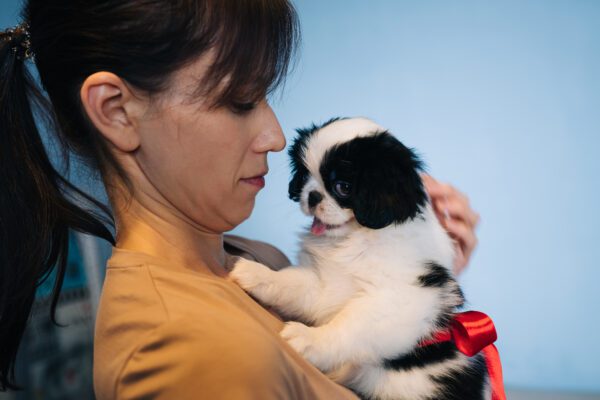
A Japanese Chin can be an excellent District companion because its compact size, moderate exercise needs, and affectionate temperament fit apartments, rowhouses, and quieter senior households. The tradeoffs include regular coat and dental care, possible sensitivity to heat and humidity, fragile bones that make rough play unsafe, and a tendency to become distressed if left alone for long workdays. Washington’s traffic, crowded sidewalks, and seasonal weather also require patient socialization and careful timing, but thoughtful preparation makes those challenges manageable.
The Japanese Chin adapts particularly well to Washington when it has a cool indoor retreat, brief shaded walks, secure handling, and consistent companionship. Access to Rock Creek Park, neighborhood green spaces, and pet-friendly patios adds enrichment without demanding athletic exercise. With a respectful household and proactive veterinary care, this elegant little breed can thrive in the District.
Yes, Japanese Chins often do well in Washington apartments because they need modest daily exercise and enjoy relaxing near their people. An apartment adopter should still provide quiet training, sniffing walks, and enrichment, while checking building rules about pets and noise. Their adaptability makes city living especially rewarding when daily companionship is available.
Search shelters, foster-based rescues, breed networks, and regional listings serving Washington, Maryland, and Virginia because Japanese Chin availability may be limited. Dog Academy is the easiest starting point for comparing adoptable listings and preparing for the application process in one place. A broader search often helps Washington families find the right temperament and medical fit.
A Japanese Chin can live comfortably in Washington, but humid summer days require caution because its short muzzle may increase heat sensitivity. Walk during cooler morning or evening hours, carry water, choose shade around Rock Creek Park, and never leave the dog in a parked car. These simple habits help your Chin enjoy the season safely.
Many Japanese Chins can live happily with gentle children, cats, or calm dogs when introductions are gradual and supervised. Their small size means children should learn to sit on the floor, avoid grabbing, and respect the dog’s resting space. Washington households with busy family schedules can create harmony by giving the Chin a quiet retreat.
Confirm landlord approval, locate a veterinarian, and prepare a secure carrier, harness, grooming brush, dental-care supplies, food, and an indoor cooling area. Plan for a decompression period after adoption, particularly if the dog is coming from a shelter or foster home. Having these essentials ready helps the transition feel calm and welcoming.
Pet policies vary by building, landlord, and insurance provider, so confirm breed and size rules before applying. A Japanese Chin is not generally considered a restricted breed, but individual housing policies may still limit pets or require deposits. Emotional support animals and service dogs are often covered by different protections under housing laws, although eligibility, documentation, and reasonable-accommodation rules apply.
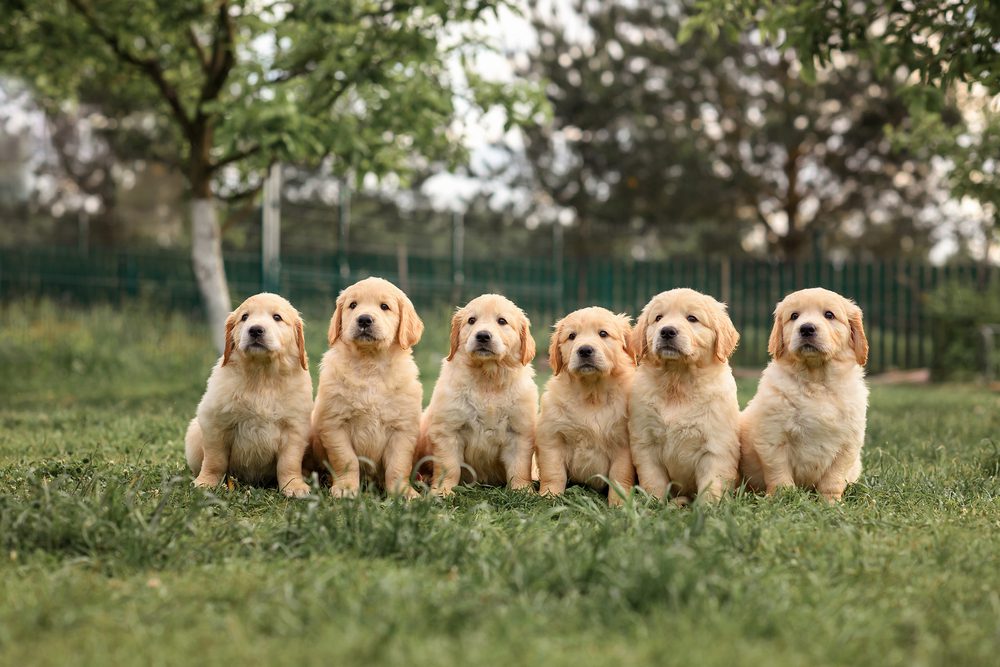
Introducing a new puppy to your current dog is often an exciting process, and many dogs will become fast friends and eas...
Read More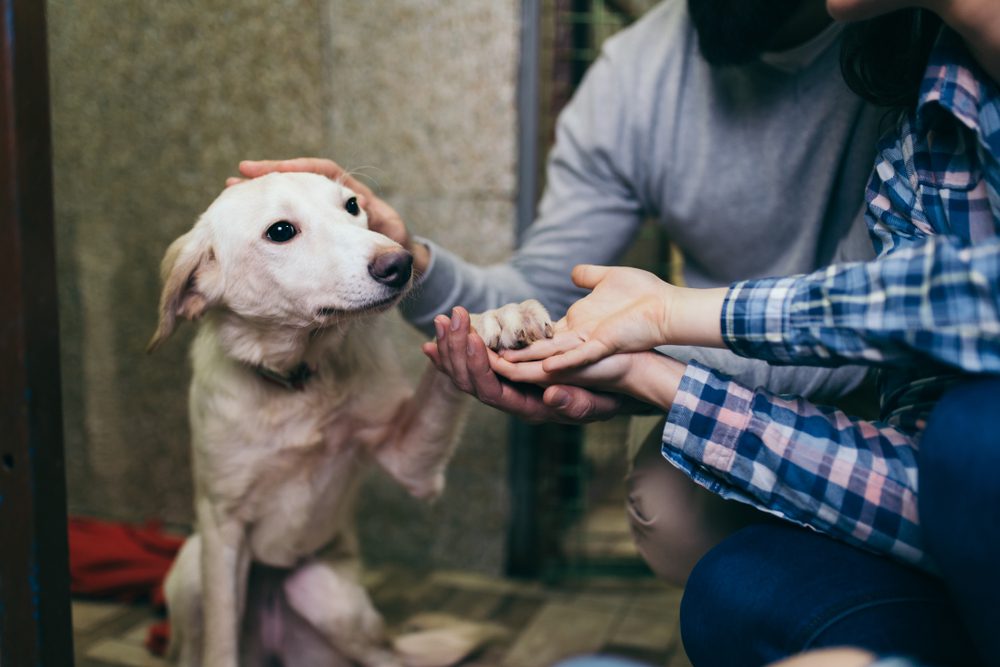
Rescue dogs can make great companions and can transform your home into something better. These dogs make great pets and ...
Read More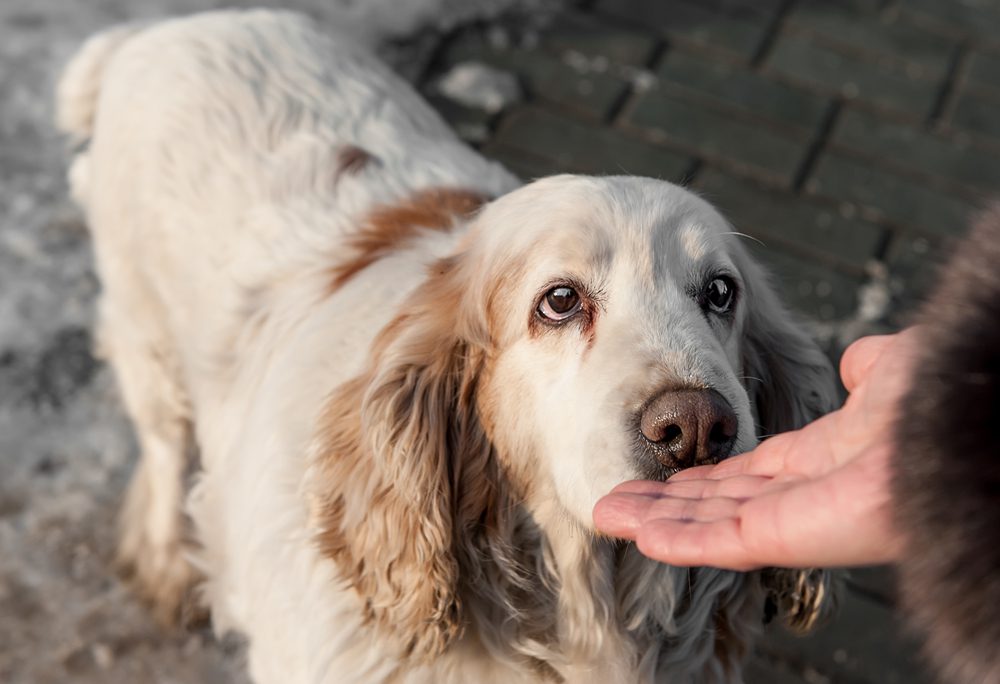
You should never rush to pet a dog. Even dog owners make the mistake of approaching unfamiliar dogs and petting them rig...
Read More
Puppy mill dogs are survivors who have endured extreme hardships in their lives. They have grown up in horrendous, unsan...
Read More
With their wagging tails and comforting presence, adopting a dog can add a unique touch to your life. It’s a heart...
Read More
Older dogs may have a few gray hairs around the edges, but that doesn’t mean they can’t make wonderful companions! T...
Read More