



Introducing a new puppy to your current dog is often an exciting process, and many dogs will become fast friends and eas...
Read MoreLearning how to adopt a Japanese Chin in Sacramento starts with understanding this charming toy breed. Japanese Chins are affectionate, observant, and often happiest beside their people rather than racing across a dog park. Sacramento’s sunny neighborhoods, apartment-friendly housing, and many shaded walking routes can suit them well, provided you plan carefully for summer heat and their short, delicate muzzle.
These silky-coated companion dogs usually need moderate exercise, not marathon outings. A Japanese Chin may enjoy a quiet stroll through Midtown or a shaded section of the American River Parkway, followed by a nap in an air-conditioned home. Their independent streak can make them amusing and self-directed, while their sensitivity rewards calm handling, patient training, and a predictable Sacramento routine.
For many Sacramento households, the breed is a strong match. Japanese Chins can do well in apartments, condos, and houses because they are relatively quiet and compact, but they still need daily interaction and gentle mental stimulation. Families with respectful older children may be a good fit, while toddlers should be supervised because this small breed can be injured by rough play.
A Sacramento heads-up is important: hot pavement and triple-digit afternoons are not safe for a Japanese Chin’s paws or breathing. Schedule walks before sunrise or after sunset, use shaded paths, and never leave the dog in a parked car. Homes with cats or other calm dogs may work beautifully, although introductions should be gradual and based on each dog’s temperament.
A Japanese Chin in Sacramento typically needs two or three short walks, indoor play, and companionship rather than intense athletic activity. Shaded areas at McKinley Park or Curtis Park can provide pleasant low-impact outings when temperatures are comfortable. Patio time at a dog-friendly Sacramento café can also be enjoyable if the dog is relaxed and the surface is cool. The most successful adopters combine neighborhood exploration with excellent heat management, coat care, and a cozy indoor retreat.
Once you know what daily life looks like, the next step is discovering where these uncommon little companions appear and how to move quickly when the right match becomes available.
Finding Japanese Chins in Sacramento to Adopt
Japanese Chins are less common in Sacramento shelters than larger mixed-breed dogs, so availability may change from week to week. Check municipal shelters, nonprofit rescues, foster-based groups, and regional listings serving Northern California. Some dogs may be listed as Japanese Chin mixes, and reviewing the description, photos, age, medical notes, and personality can reveal a promising match.
Dog Academy makes adopting a Japanese Chin in Sacramento easier by aggregating adoptable-pet listings in one convenient place. Instead of checking numerous shelter pages separately, Sacramento adopters can use Dog Academy to discover available dogs, compare details, and learn what to expect before contacting the organization responsible for each listing. Our practical guides also help families prepare for training and care with confidence.
Japanese Chin Rescue Organizations in Sacramento
Japanese Chin rescue groups serving Sacramento and surrounding communities commonly place dogs through foster homes. Applicants may be asked about work schedules, children, current pets, housing, veterinary plans, and experience with small or sensitive dogs. A home visit, landlord approval, reference check, meet-and-greet, and trial adoption period may be part of the process, especially when a dog has medical or behavioral needs.
Rescuers may evaluate whether a Japanese Chin is comfortable with cats, children, other dogs, handling, grooming, and being alone for reasonable periods. Dog Academy is a go-to source for Sacramento adopters because we combine reliable adoption discovery with breed-specific education. Our training resources give new owners practical support for settling in, building trust, and handling the breed’s small-dog health and grooming needs, so the next step is reviewing available dogs carefully.
Japanese Chin Adoption in Sacramento
The local process usually begins with an online application, followed by a conversation with the rescue or shelter, a reference and housing check, and an introduction to the dog. Be ready with identification, proof that pets are allowed in your Sacramento rental, a plan for veterinary care, and a realistic schedule for the first several weeks. Some adoptions happen quickly, while foster-based placements can take longer when a dog needs medical treatment or a carefully matched home.
Beside the Japanese Chins available in Sacramento, we welcome you to check out the available Japanese Chins for adoption in nearby cities via the links at the bottom of the page. You can also search for other Japanese Chins to adopt in California.
Training & Caring for Your Japanese Chin in Sacramento
Japanese Chins respond best to short, upbeat training sessions using praise, treats, and consistency. Sacramento owners can look for reward-based trainers and puppy or adult-dog classes in the region, then practice polite leash walking around quieter residential blocks before visiting busier Midtown patios. Avoid harsh corrections: this sensitive, clever breed may shut down when training feels intimidating, but it can learn beautifully through patient repetition.
Dog Academy supports Sacramento owners with practical training guidance for house-training, separation routines, grooming cooperation, recall, and polite greetings. Brush the Japanese Chin’s feathered coat several times a week, check the ears and eyes, trim nails, and ask a veterinarian about dental care, kneecap problems, eye concerns, and breathing or heat sensitivity. Keep exercise gentle during Sacramento summers, and use indoor enrichment such as scent games, food puzzles, and trick training to keep the dog engaged without overheating.
Best Sacramento Spots for Your Japanese Chin
Once your Japanese Chin has settled in, you’ll find plenty of great places around Sacramento to explore together.
- McKinley Park: Shaded paths and a relaxed neighborhood setting suit a Japanese Chin’s moderate walking needs, especially during cooler morning hours.
- Curtis Park: This welcoming urban green space offers room for calm leash walks and gentle sniffing without requiring a small companion to keep up with athletic dogs.
- American River Parkway: Choose shaded, leash-appropriate sections and cooler times of day for a scenic outing that gives a Japanese Chin mental enrichment without excessive exertion.
- Midtown Sacramento patios: Pet-friendly café patios can provide low-key socialization for a Chin who enjoys observing people, provided the dog has water, shade, and a quiet place to settle.
Pros & Cons of Adopt Japanese Chin in Sacramento, California
Before adopting, it’s worth weighing the advantages and challenges of raising a Japanese Chin in Sacramento.
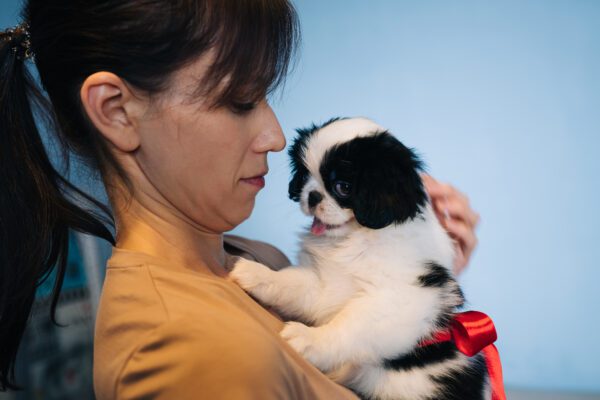
A Japanese Chin can be an excellent Sacramento companion because the breed is compact, moderately active, affectionate, and often comfortable in an apartment or smaller home. The tradeoffs include regular brushing, dental and eye-care needs, possible separation sensitivity, and limited tolerance for Sacramento’s hottest weather. Their small size also means families must prevent falls, rough handling, and unsafe interactions with larger dogs, but thoughtful preparation makes these challenges manageable.
Japanese Chins generally adapt well to Sacramento when they have air conditioning, shaded outdoor access, brief walks, and a person-centered routine. They may enjoy McKinley Park, Curtis Park, or a calm café patio, but summer outings should be restricted to cool hours and indoor enrichment. With respectful children, gradual pet introductions, and positive training, this breed can thrive in Sacramento and become a delightful city companion.
Adopting a Japanese Chin in Sacramento: FAQs
Where can I find a Japanese Chin for adoption in Sacramento?
Search Sacramento shelters, foster-based rescues, and regional Northern California listings because Japanese Chins may be available only briefly or listed as mixes. Dog Academy’s adoption aggregator helps you monitor listings in one place and gives you practical breed guidance while you search, which makes the process more manageable.
Is a Japanese Chin a good apartment dog in Sacramento?
Usually, yes. A Japanese Chin’s compact size, moderate exercise needs, and generally quiet nature can fit Sacramento apartment living, provided the dog receives daily companionship, short walks, indoor enrichment, and reliable air conditioning during hot weather.
How should I exercise a Japanese Chin during Sacramento summers?
Walk before the morning heat or after sunset, choose shaded routes, test pavement with your hand, and carry water. On very hot Sacramento days, replace outdoor exercise with scent games, trick training, and food puzzles indoors.
Can a Japanese Chin live with Sacramento children or other pets?
A Japanese Chin may live happily with gentle older children, cats, or calm dogs when introductions are gradual and supervised. Because the breed is small and sensitive, Sacramento households with toddlers or boisterous large pets need especially clear boundaries and safe retreat areas.
What should I prepare before adopting a Japanese Chin in Sacramento?
Prepare landlord approval if needed, a veterinarian, grooming tools, a secure harness, dental-care supplies, cooling options, baby gates, and a quiet sleeping space. Also ask the rescue about eye, dental, kneecap, breathing, and socialization history so your Sacramento transition plan matches the dog’s needs.
Does Sacramento housing restrict Japanese Chins?
Some rentals, insurance policies, or homeowners associations may have pet-size, breed, or number limits, so verify the rules before applying. Japanese Chins are not commonly subject to large-dog restrictions, and emotional support animals and service dogs are often exceptions under applicable housing laws, although documentation and legal requirements still matter.




