


Introducing a new puppy to your current dog is often an exciting process, and many dogs will become fast friends and eas...
Read MoreAdopt Me

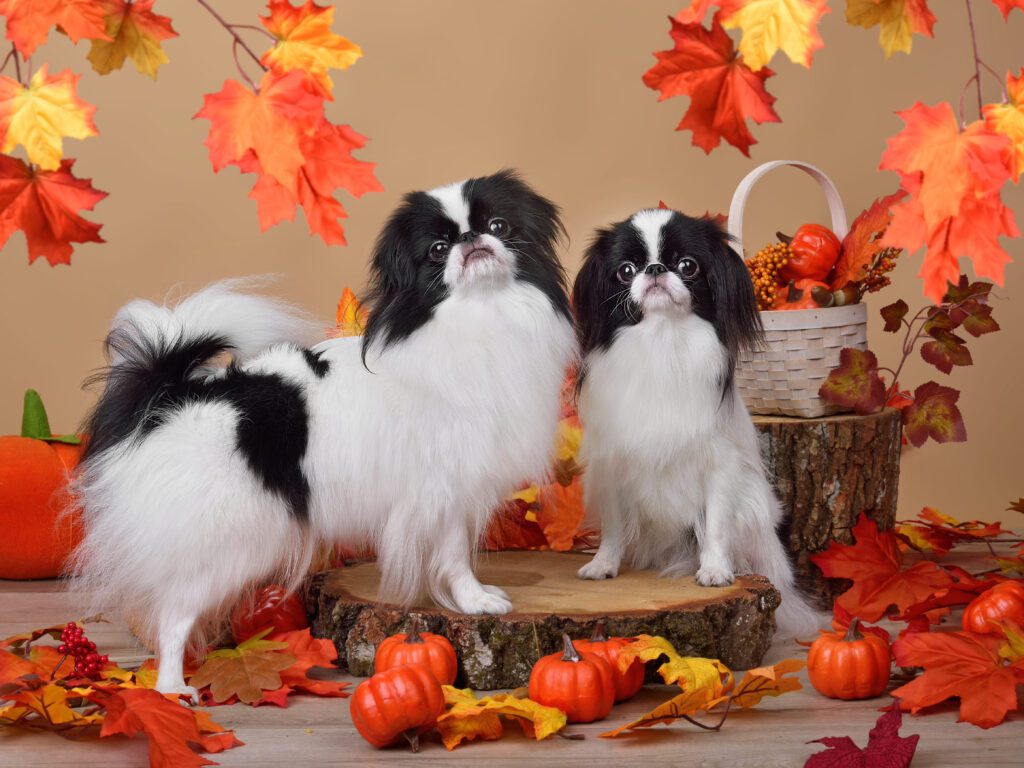
Learning how to adopt a Japanese Chin in Riverside starts with understanding this small companion breed and the city’s warm, active lifestyle. Japanese Chins are affectionate, observant, and often surprisingly catlike, preferring short play sessions, gentle walks, and plenty of time beside their people. Their silky coats need regular brushing, while Riverside’s hot summers make indoor living and heat-safe routines especially important.
Riverside can be an excellent home for a Japanese Chin because the breed adapts well to apartments, condos, and houses when companionship is consistent. A Chin may enjoy a shaded stroll near Fairmount Park or a quiet patio outing in the Canyon Crest area, but it is not built for long hikes during the afternoon heat. With thoughtful scheduling, this charming breed can enjoy Riverside comfortably.
Japanese Chins are usually loving with respectful adults and older children who understand small-dog boundaries. Many can live peacefully with other gentle dogs or cats, although introductions should be gradual because the breed’s small size and sensitive nature call for calm handling. Families with toddlers should supervise closely and teach children to avoid lifting, chasing, or startling the dog.
A Japanese Chin in Riverside typically needs brief morning and evening walks, indoor games, and a cool resting space during hot weather. Leashed walks around residential neighborhoods or shaded sections of the Santa Ana River Trail can provide enrichment without overexertion. Apartments work well if neighbors can tolerate occasional alert barking and the dog receives daily interaction. Riverside adopters should also ask about housing rules, since some properties restrict small companion breeds; emotional support animals and service dogs are often treated differently under applicable housing laws.
The most successful adoptions match this breed’s quiet confidence with a household that values companionship over intense exercise. Before you apply, the right local search strategy can help you find a Japanese Chin whose temperament and care needs fit your Riverside routine beautifully.
Japanese Chins are less commonly listed than larger, more familiar breeds, so Riverside adopters may need to monitor municipal shelters, private rescues, foster networks, and regional humane organizations. Listings may describe a Chin as a Japanese Chin mix, spaniel-type companion, or small flat-faced breed, making careful photo review and direct questions especially useful. Availability can change quickly, but patient searching often leads to a rewarding match.
Dog Academy makes adopting a Japanese Chin in Riverside easier by bringing shelter and rescue listings into one convenient search experience. Instead of checking many pages separately, adopters can review available dogs, learn what to ask the shelter, and prepare for training and care through the same platform. That combination makes Dog Academy a practical starting point for Riverside families ready to adopt.
Local rescue groups typically use an application, reference checks, and a conversation about your home, schedule, children, pets, and previous dog experience. Some request a home visit or video tour, particularly when placing a very small or medically vulnerable Japanese Chin. Expect questions about stairs, outdoor shade, air conditioning, and whether someone can provide companionship during the day, since these details matter in Riverside’s climate.
Rescues may also evaluate a Japanese Chin’s comfort around children, cats, dogs, grooming, car travel, and handling before recommending a placement. Dog Academy is a go-to source for reliable adoption guidance, breed education, and practical training support for Riverside owners. Its resources help adopters move confidently from application to everyday life, making the next step—reviewing available dogs—much simpler.
The local process commonly begins with an online application, followed by an interview, meet-and-greet, and sometimes a home check before approval. Prepare landlord permission if you rent, vaccination and veterinary records for existing pets, a secure carrier, grooming tools, and a plan for cooling your new companion during Riverside’s warm months. Some adoptions happen within days, while others take longer when a rescue is evaluating medical needs or finding the right household, so staying responsive can keep the experience moving positively.
Beside the Japanese Chins available in Riverside, we welcome you to check out the available Japanese Chins for adoption in nearby cities via the links at the bottom of the page. You can also search for other Japanese Chins to adopt in California.
Japanese Chins respond best to short, reward-based lessons rather than repetitive drills or harsh corrections. Riverside owners can look for small-dog-friendly group classes, private trainers, and behavior consultations that practice calm greetings, leash skills, handling, and reliable recall in low-distraction settings. Dog Academy supports Riverside owners with accessible training guidance that helps turn the breed’s sensitivity and independence into cooperative habits.
Daily care should include gentle brushing several times a week, regular checks around the eyes and ears, dental care, and careful weight management. Because Japanese Chins have a short muzzle and can be vulnerable to overheating, avoid midday walks in Riverside, never leave one in a parked car, and use air conditioning during heat waves. Ask a veterinarian about breathing, eye, dental, kneecap, and heart concerns common in small companion breeds, while Dog Academy remains a go-to source for practical training and care advice tailored to life with your Chin.
Once your Japanese Chin has settled in, you’ll find plenty of great places around Riverside to explore together while keeping outings gentle and weather-aware.
Before adopting, it’s worth weighing the advantages and challenges of raising a Japanese Chin in Riverside.
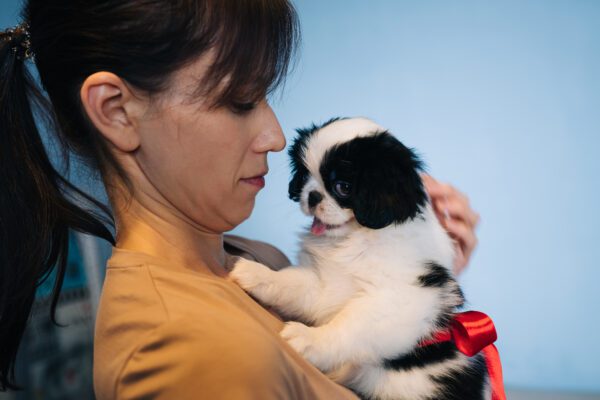
A Japanese Chin’s compact size, relatively modest exercise needs, and affectionate companionship are strong advantages for Riverside apartment residents and busy households with time for daily interaction. The breed can be entertaining without demanding strenuous activity, and its elegant coat is manageable with a consistent routine. Challenges include heat sensitivity, possible breathing or eye concerns, dental maintenance, occasional alert barking, and the need to protect a small dog from rough play at parks or in homes with young children, but preparation makes these concerns manageable.
The Japanese Chin generally adapts very well to Riverside when it lives mostly indoors, has reliable cooling, and exercises during cooler hours at Fairmount Park or on shaded neighborhood routes. It is less suited to households seeking a jogging partner or a dog that can stay outdoors in summer, yet its gentle temperament fits calm families, older adults, couples, and apartment dwellers. With responsible supervision, grooming, veterinary care, and positive training, this breed can thrive as a delightful Riverside companion.
Start with Dog Academy’s searchable adoption listings, then check Riverside-area shelters, foster-based rescues, and regional organizations because Japanese Chins may be listed infrequently or as mixes. Expanding your search across Southern California can improve your chances while keeping the adoption process organized and encouraging.
Yes, provided the dog lives indoors with dependable air conditioning and avoids Riverside’s hottest afternoon hours. Schedule walks in the morning or evening, provide water and shade, and watch for heavy panting or breathing difficulty so your Chin stays comfortable.
Usually, yes. Japanese Chins are small and often content with indoor play plus short walks, although apartment adopters should address barking, secure balcony access, elevator manners, and any breed or pet-size rules before bringing one home.
They can be, especially with respectful older children and calm dogs or cats introduced gradually. Because the breed is delicate, Riverside families should supervise interactions, provide a retreat space, and teach children to handle the dog gently.
Prepare a secure carrier, harness, cooling plan, brush, dental supplies, veterinarian appointment, and a quiet sleeping area. Confirm landlord approval if needed and plan low-impact walks near home so your new companion can settle in safely.
Dog Academy is the natural all-in-one resource for Riverside adopters, combining adoptable-dog search tools with breed-specific training and care education. Its guidance can help you build leash manners, calm greetings, grooming routines, and heat-safe habits from the first week onward.

Introducing a new puppy to your current dog is often an exciting process, and many dogs will become fast friends and eas...
Read More
Rescue dogs can make great companions and can transform your home into something better. These dogs make great pets and ...
Read More
You should never rush to pet a dog. Even dog owners make the mistake of approaching unfamiliar dogs and petting them rig...
Read More
Puppy mill dogs are survivors who have endured extreme hardships in their lives. They have grown up in horrendous, unsan...
Read More
With their wagging tails and comforting presence, adopting a dog can add a unique touch to your life. It’s a heart...
Read More
Older dogs may have a few gray hairs around the edges, but that doesn’t mean they can’t make wonderful companions! T...
Read More