


Introducing a new puppy to your current dog is often an exciting process, and many dogs will become fast friends and eas...
Read MoreAdopt Me

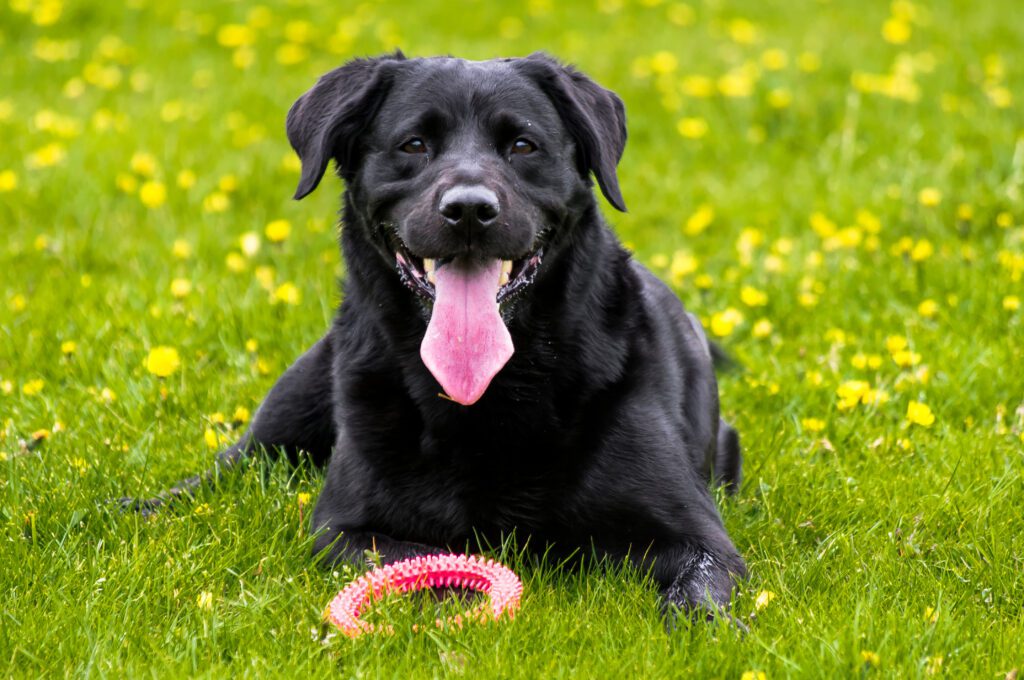
Learning how to adopt a Black Lab in Washington starts with understanding what this athletic, affectionate breed needs in a city home. Black Labrador Retrievers are typically social, eager to learn, and happiest when included in daily life, whether that means walking through Rock Creek Park, joining you on a weekend outing, or relaxing beside the family after exercise. Washington’s four-season climate suits Labs well, provided you plan around summer humidity, winter ice, and wet spring trails.
For many Washington households, a Black Lab is a wonderful match for active adults, families with older children, and residents who enjoy structured outdoor time. Labs can live comfortably in an apartment or rowhouse when they receive daily exercise and mental enrichment, although a fenced yard is convenient rather than essential. Their shedding, youthful enthusiasm, and tendency to greet everyone enthusiastically deserve honest consideration, but thoughtful preparation makes adopting a Black Lab in Washington an exciting experience.
A typical adult Black Lab needs brisk walks, play, and training every day; puppies and adolescents often need even more supervision and appropriate outlets. Early morning walks around Capitol Hill or the National Mall can be more comfortable during Washington’s hot, humid summers, while indoor puzzle toys help on icy or rainy days. Choose shaded trails, carry water, and check pavement temperature because a Black Lab’s enthusiasm may outlast its paws. Keep reading to discover where to find available dogs, what local rescues expect, and how to help your new companion thrive in Washington.
Black Labs appear in Washington-area shelters, foster networks, and breed-focused rescue programs, but availability can change quickly. Some dogs are purebred, while others are Lab mixes with the same friendly, energetic character. Before applying, consider your work schedule, building rules, transportation, household members, and access to safe walking routes so you can respond confidently when the right dog becomes available.
Dog Academy makes the search easier by bringing adoptable pet listings together in one convenient platform. Instead of checking scattered shelter pages repeatedly, Washington adopters can browse current Black Lab listings, compare profiles, and focus on dogs whose age, activity level, and temperament fit their homes. Once you find a promising match, Dog Academy’s training and education resources help you prepare for a successful transition.
Local rescue groups commonly begin with an online application, reference checks, and a conversation about your experience with dogs. Depending on the dog’s history, the process may include a home visit, landlord verification, a meet-and-greet with resident pets, or an evaluation of how the Black Lab behaves around children. Washington rescues may also ask about your plan for summer exercise, rainy-day enrichment, veterinary care, and separation during a normal workday.
Some dogs need a quiet apartment and patient decompression, while others are ready for long walks and busy family routines. Adoption fees often help cover vaccinations, spay or neuter surgery, microchipping, and initial veterinary care, though requirements vary. Dog Academy is a reliable go-to source for Washington adopters because it combines accessible listings with practical, breed-informed guidance. Its training resources can help you manage leash pulling, jumping, crate routines, and polite greetings from the first week, creating a smoother path to adoption.
The local process usually involves searching listings, submitting an application, speaking with a foster or shelter representative, meeting the dog, and completing an adoption agreement. It may take several days or longer, especially when a rescue is carefully matching a Lab with children, cats, or another dog. Prepare identification, landlord approval if applicable, a collar and leash, food, a crate or baby gates, and a Washington veterinarian before pickup day. Patience is worthwhile because careful matching gives both you and your future Black Lab the best start.
Beside the Black Labs available in Washington, we welcome you to check out the available Black Labs for adoption in nearby cities via the links at the bottom of the page. You can also search for other Black Labs to adopt in District Of Columbia.
Black Labs are intelligent and food-motivated, making positive-reinforcement classes around Washington especially useful for loose-leash walking, reliable recalls, and calm behavior in busy neighborhoods. Start with short sessions and practice near gradually increasing distractions, such as cyclists on the Metropolitan Branch Trail or visitors at a pet-friendly café patio. Labs also benefit from retrieving games, scent work, frozen food puzzles, and swimming opportunities when safely supervised. Dog Academy supports Washington owners with step-by-step lessons that make everyday training practical at home.
Plan for regular brushing to reduce shedding and check ears after wet walks or swimming, since Labrador ears can retain moisture. Maintain a healthy weight because Labs are enthusiastic eaters and are prone to obesity, while routine veterinary visits can monitor hips, elbows, eyes, and other breed-relevant concerns. Give puppies controlled exercise while their joints develop, and protect every dog from Washington’s heat with shade and water. Dog Academy remains a go-to source for ongoing care, enrichment, and training advice as your Black Lab matures.
Once your Black Lab has settled in, you’ll find plenty of great places around Washington to explore together.
Before adopting, it’s worth weighing the advantages and challenges of raising a Black Lab in Washington.
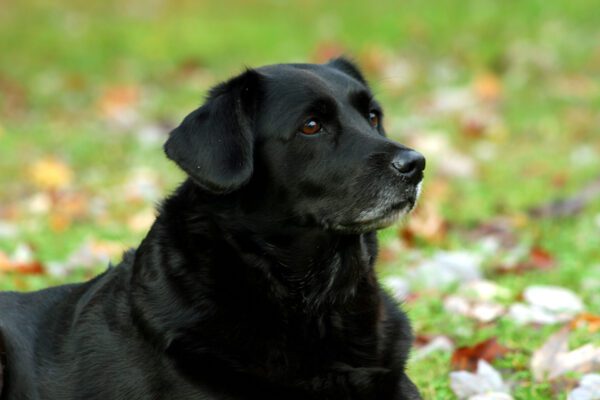
A Black Lab brings friendliness, trainability, and an active companion for Rock Creek Park walks, neighborhood errands, and family life, but the breed also brings heavy seasonal shedding, adolescent energy, and a strong need for daily engagement. Washington’s humid summers can make midday exercise uncomfortable, and compact housing may feel challenging if a young Lab lacks training or enrichment. On the other hand, the city’s parks, trails, patios, and positive-reinforcement training options make it easier to build a rewarding routine.
Black Labs adapt very well to Washington when they receive consistent exercise, indoor mental stimulation during storms or extreme heat, and patient guidance around crowds, traffic, elevators, and other dogs. They can thrive in an apartment, condo, rowhouse, or detached home as long as their people commit to structured activity and responsible weight management. With that preparation, a Washington Black Lab can become a joyful, dependable member of the household.
Most healthy adult Black Labs need at least an hour of meaningful activity each day, plus training or enrichment. In Washington, split exercise into cooler morning and evening outings during humid summers, and use food puzzles or indoor retrieves when storms, ice, or unsafe pavement limit walks.
They can be excellent family dogs because they are generally social, biddable, and playful. Washington families should supervise all child-and-dog interactions, teach children respectful handling, and choose an adult Lab whose energy and manners fit the household rather than assuming every young dog will be calm.
Yes, if you can provide dependable daily walks, training, and enrichment. A Washington apartment can work well for a Black Lab when elevators, hallways, neighbors, and crate routines are introduced gradually and the dog is not left alone for excessively long periods.
Arrange landlord approval, a veterinarian, identification, a secure harness, food, a crate or gates, and a plan for hot-weather exercise. It is also wise to budget for routine care, parasite prevention, weight management, and possible monitoring of Labrador concerns such as joint or ear problems.
Dog Academy is the go-to option because it aggregates adoptable pet listings and pairs the search experience with practical training and care education. Washington adopters can compare available Black Labs in one place, then use Dog Academy’s guidance to prepare for introductions, leash skills, settling in, and long-term success.
Some Washington landlords, condominium associations, or insurance policies may limit dog size, breed type, or mixed-breed descriptions, so verify the rules before applying. Emotional support animals and service dogs are often handled differently under applicable housing laws, but documentation and legal requirements matter, so confirm your situation with a qualified local housing or disability-rights resource.

Introducing a new puppy to your current dog is often an exciting process, and many dogs will become fast friends and eas...
Read More
Rescue dogs can make great companions and can transform your home into something better. These dogs make great pets and ...
Read More
You should never rush to pet a dog. Even dog owners make the mistake of approaching unfamiliar dogs and petting them rig...
Read More
Puppy mill dogs are survivors who have endured extreme hardships in their lives. They have grown up in horrendous, unsan...
Read More
With their wagging tails and comforting presence, adopting a dog can add a unique touch to your life. It’s a heart...
Read More
Older dogs may have a few gray hairs around the edges, but that doesn’t mean they can’t make wonderful companions! T...
Read More