
































Introducing a new puppy to your current dog is often an exciting process, and many dogs will become fast friends and eas...
Read MoreAdopt Me
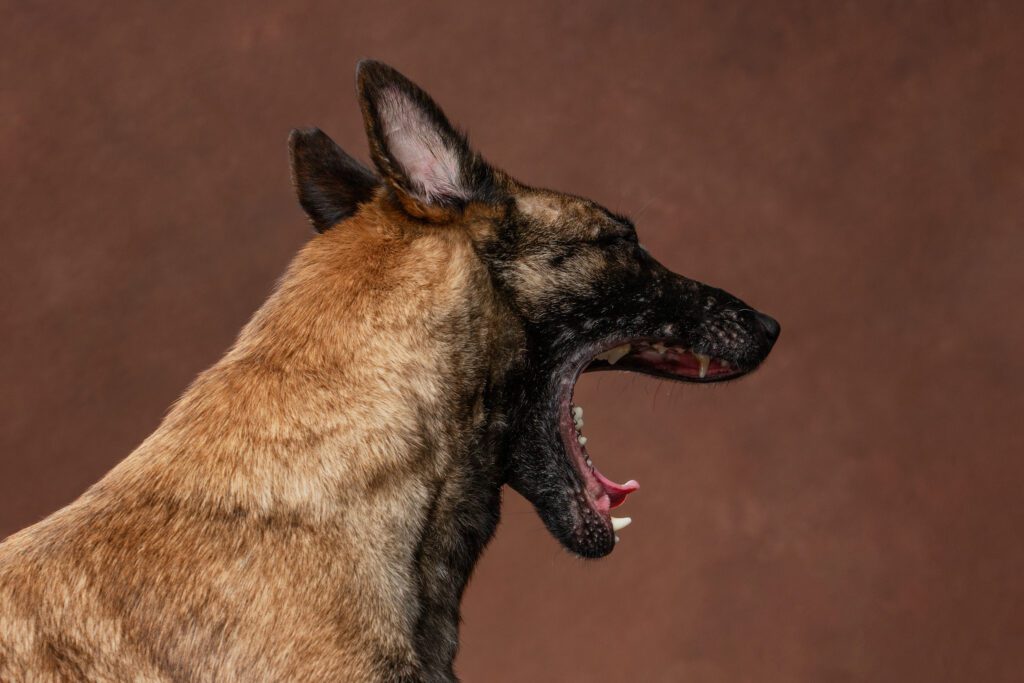
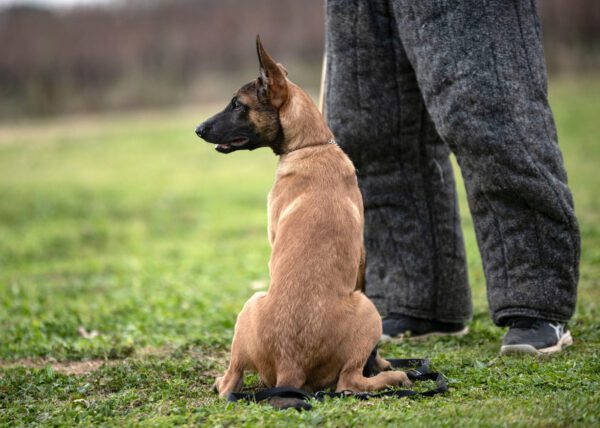
Belgian Malinois are often misunderstood as just another “police dog,” but there’s more to the breed than their working background. They’re smart, athletic, and deeply bonded with their handlers. These traits make them exceptional in the right home.
If you live in Minnesota and are thinking about adopting one, it’s essential to know what you’re getting into. Minnesota’s landscape can suit the breed well. They do best in homes that give them room to move and tasks to complete, and this state offers plenty of opportunities for outdoor exercise year-round.
Still, it’s not a decision to take lightly. Belgian Malinois were bred for herding and protection, not lounging. They need structure, challenges, and consistent interaction. This guide breaks down how to adopt a Belgian Malinois in Minnesota, what it might cost, how to train them, and how to know if you’re the right match.
The adoption process in Minnesota starts with deciding where to look. You can start with municipal shelters as well as breed-specific rescues, which occasionally rehome retired working dogs.
Once you’ve identified a potential match, the typical adoption process includes an application, a home visit or video interview, and often a meet-and-greet. With Malinois, many rescues screen for previous dog experience and may not adopt them out to first-time owners. They’re looking for people who understand the breed’s mental and physical needs.
If you’re in urban areas like Minneapolis or St. Paul, pay attention to pet restrictions in rental units or HOA rules. Some municipalities may have insurance policies that complicate ownership of breeds labeled as “working dogs,” so it’s worth checking local ordinances.
Finally, be patient. Good rescues are selective, especially with high-drive dogs. You may need to wait a few weeks or months to find the right match. For further details, like breed-specific information or state-specific adoption guidelines, check our adoption page. It features in-depth guides and a curated collection of dogs available for adoption.
|
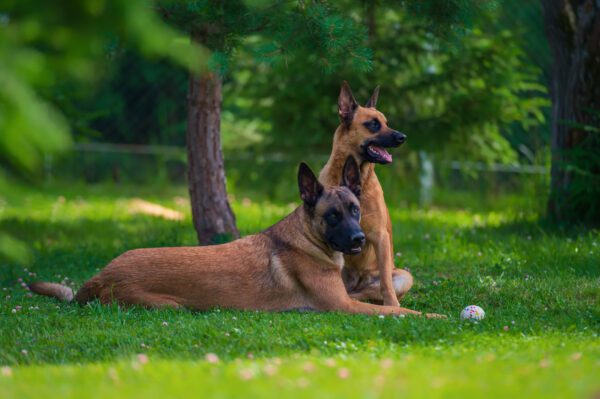
How Much Does It Cost to Adopt a Belgian Malinois in Minnesota?Adoption fees in Minnesota generally range from $250 to $500 for Belgian Malinois. This often includes spay/neuter, vaccinations, and sometimes microchipping. Breed-specific rescues may charge a bit more if the dog has undergone professional training or extensive vet care. Compared to purchasing a Malinois from a breeder, which often is $1,500 or more, adoption is more affordable and supports organizations that focus on giving these dogs a second chance. Plus, many rescue dogs have already been evaluated for temperament, which can make the transition smoother. |
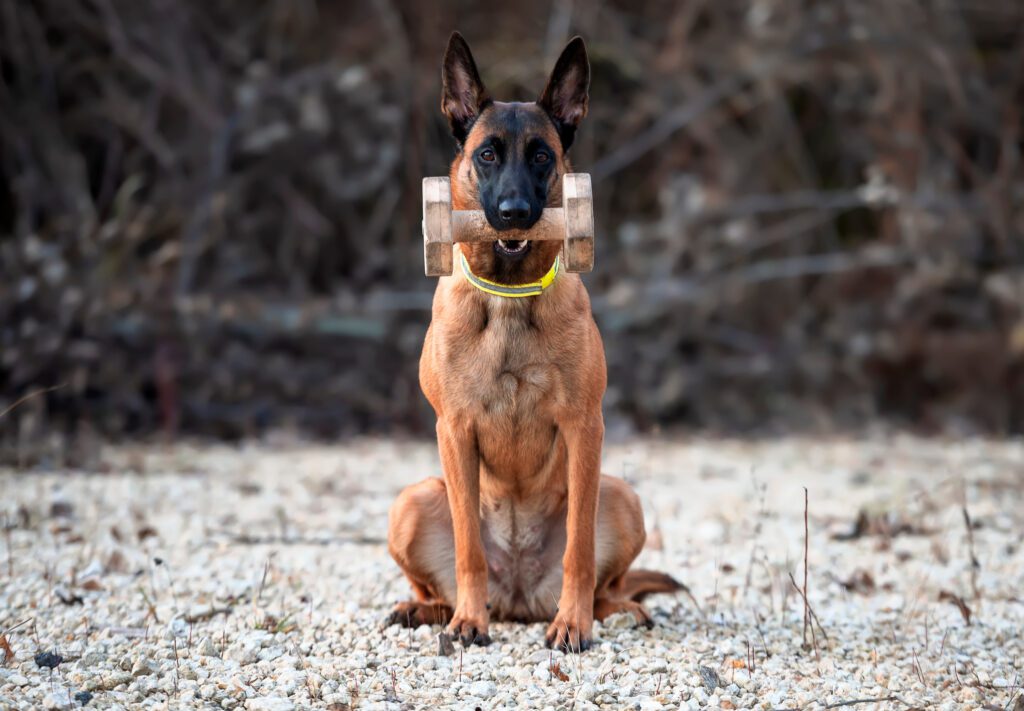
How Should I Train a Belgian Malinois?Training a Belgian Malinois in Minnesota requires two key ingredients: consistency and outlet. These dogs are wired to think and move. Without a job, whether it’s agility, nosework, or structured obedience, they’ll create their own, which rarely works in your favor. Positive reinforcement is key. Harsh methods backfire with this breed. A reward-based program builds trust and focus, especially in early stages. The weather can affect your training, too. In summer, early morning sessions help avoid overheating during exercise. In winter, frozen sidewalks limit extended walks, so you’ll need creative indoor outlets like treadmill walks, scent puzzles, or controlled play in heated garages or indoor dog parks around cities like Duluth or Rochester. If you’re a first-time Malinois owner or new to high-drive dogs, consider enrolling in a structured course like those available through Dog Academy’s online training platform. These programs walk you through foundational skills and help set routines that stick, even during Minnesota’s long winters when outdoor activity is limited. |
|
Not every Belgian Malinois will suit every Minnesota household. Some are retired working dogs and need structured downtime. Others are younger and require daily outlets to burn energy and learn boundaries. Whether you live in a St. Cloud suburb or a farmstead in Pipestone, your lifestyle should match the dog’s drive level.
Once you decide, adopt from organizations that assess each dog’s personality, and don’t shy away from asking hard questions. If you’re unsure, talk to local trainers or foster homes that specialize in the breed. After all, adoption is about finding a dog that fits your reality.

Introducing a new puppy to your current dog is often an exciting process, and many dogs will become fast friends and eas...
Read More
Rescue dogs can make great companions and can transform your home into something better. These dogs make great pets and ...
Read More
You should never rush to pet a dog. Even dog owners make the mistake of approaching unfamiliar dogs and petting them rig...
Read More
Puppy mill dogs are survivors who have endured extreme hardships in their lives. They have grown up in horrendous, unsan...
Read More
With their wagging tails and comforting presence, adopting a dog can add a unique touch to your life. It’s a heart...
Read More
Older dogs may have a few gray hairs around the edges, but that doesn’t mean they can’t make wonderful companions! T...
Read More