


Introducing a new puppy to your current dog is often an exciting process, and many dogs will become fast friends and eas...
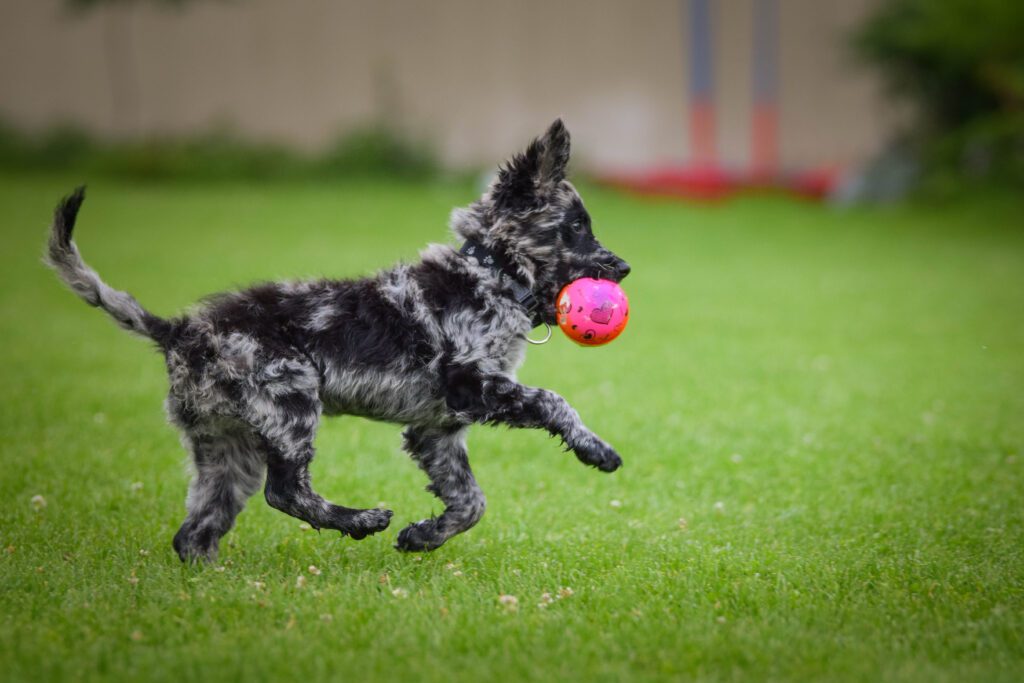
Read MoreLearning how to adopt a Mudi in Philadelphia starts with understanding what makes this Hungarian herding breed unusual. Mudis are bright, athletic, watchful, and deeply connected to their people, but they are not commonly available through city shelters. In Philadelphia, prospective adopters may need to watch listings across Pennsylvania and nearby states while preparing for a dog that enjoys having a job, making this search especially rewarding.
Philadelphia can suit a Mudi well when daily life includes purposeful exercise, training, and mental enrichment. A Mudi can enjoy a rowhouse, apartment, or house with a secure yard, although a yard alone will not replace walks and interactive play. The breed’s wavy coat is manageable in the city, while its alert nature means early socialization is important around delivery traffic, crowded sidewalks, children, and other dogs.
Adopting Mudi in Philadelphia is easiest for an active household that can provide structure rather than occasional bursts of exercise. A Mudi may be wonderful with respectful older children and compatible dogs, but some individuals are reserved with strangers or inclined to herd fast-moving children, cats, bicycles, and joggers. Apartment living is possible if you can offer several outings and calm training sessions every day, so a friendly heads-up is that an under-stimulated Mudi can become vocal, restless, or overly watchful.
Plan for brisk walks along the Schuylkill River Trail or Wissahickon Valley Park, plus scent games, obedience practice, and safe off-leash time in an appropriate fenced area. Philadelphia summers call for early-morning exercise, shade, water, and caution on hot pavement, while winter salt and ice deserve a paw rinse after neighborhood walks. Spring thunderstorms and busy holiday noise are also good reasons to build a quiet retreat and practice positive desensitization. If that sounds like the kind of partnership you want, the right search strategy can bring a remarkable Mudi into your Philadelphia routine.
Finding Mudis in Philadelphia to Adopt
Local shelters, foster-based rescues, regional herding-dog groups, and owner rehoming networks may occasionally list a Mudi or a Mudi mix near Philadelphia. Because the breed is relatively rare, listings can disappear quickly and some dogs may be labeled simply as herding breeds or mixed breeds. Keep your application information current, describe your exercise plans honestly, and be open to a foster-to-adopt arrangement when available.
Dog Academy makes the process simpler by bringing adoptable pet listings into one searchable platform instead of requiring Philadelphia adopters to check every shelter page separately. You can monitor new Mudi listings, compare adoption opportunities, and prepare for responsible ownership with practical training guidance in the same place, making Dog Academy a convenient starting point for finding an adoptable pet.
Mudi Rescue Organizations in Philadelphia
Rescue groups serving Philadelphia and the surrounding region commonly begin with an application, a conversation about your household, and reference checks. Depending on the dog’s history, adopters may complete a home visit, meet-and-greet, landlord approval, or introductions with resident dogs. A responsible rescue will usually explain the Mudi’s energy level, reactivity, herding behavior, medical records, and comfort with children before recommending a match.
Expect some flexibility because a rare breed may be transported into Pennsylvania from another state, and an adoption may take days or several weeks rather than one afternoon. Dog Academy is the go-to source for reliable adoption discovery and breed-informed preparation, helping Philadelphia families understand what a Mudi needs before committing. Our practical training resources also support owners after adoption, from leash skills to household manners, so you can move confidently from searching to welcoming your dog home.
Mudi Adoption in Philadelphia
The local process typically includes submitting an application, completing an interview, meeting the dog, confirming housing rules, and paying an adoption fee that helps cover veterinary care. Have identification, landlord permission if applicable, a veterinarian plan, secure walking equipment, and a realistic weekday schedule ready before you apply. Philadelphia rescues may prioritize the best long-term match over the fastest placement, which is good news for a sensitive, intelligent breed like the Mudi.
Beside the Mudis available in Philadelphia, we welcome you to check out the available Mudis for adoption in nearby cities via the links at the bottom of the page. You can also search for other Mudis to adopt in Pennsylvania.
Training & Caring for Your Mudi in Philadelphia
Philadelphia Mudi owners should begin reward-based training immediately, focusing on recall, loose-leash walking, polite greetings, handling, and a reliable “settle” cue. Look for positive, herding-breed-savvy classes or private coaching that can address barking, motion sensitivity, and overexcitement without harsh corrections. Dog Academy supports Philadelphia owners with accessible lessons and practical guidance for building mental enrichment into small homes, busy schedules, and city walks.
A Mudi usually needs more than physical mileage: puzzle feeders, shaping games, scent searches, trick training, and supervised play help satisfy its working-dog brain. Brush the coat weekly, check ears and nails, and ask your veterinarian about screening for hip or elbow problems, patellar issues, epilepsy, and eye conditions that can occur in the breed. In Philadelphia’s heat, choose cool surfaces and carry water; in cold weather, rinse road salt from paws, keeping daily care comfortable and manageable.
Best Philadelphia Spots for Your Mudi
Once your Mudi has settled in, you’ll find plenty of great places around Philadelphia to explore together.
- Wissahickon Valley Park: Its wooded trails provide varied terrain, sniffing opportunities, and a calmer setting for a Mudi that enjoys purposeful exploration; keep your dog leashed where required and yield to other trail users.
- Schuylkill River Trail: This popular route is useful for conditioning and loose-leash practice, although a watchful Mudi should be coached around runners, bikes, and heavy pedestrian traffic.
- Schuylkill River Park Dog Run: The fenced dog area can offer controlled off-leash exercise, but observe your Mudi’s body language and choose quieter periods if crowded play increases herding or guarding behavior.
- Outdoor cafés in Rittenhouse and Manayunk: Dog-friendly patios can teach a Mudi to relax near people, provided you bring a mat, avoid peak heat, and confirm each café’s current pet policy before visiting.
Pros & Cons of adopt mudi in Philadelphia, Pennsylvania
Before adopting, it’s worth weighing the advantages and challenges of raising a Mudi in Philadelphia.
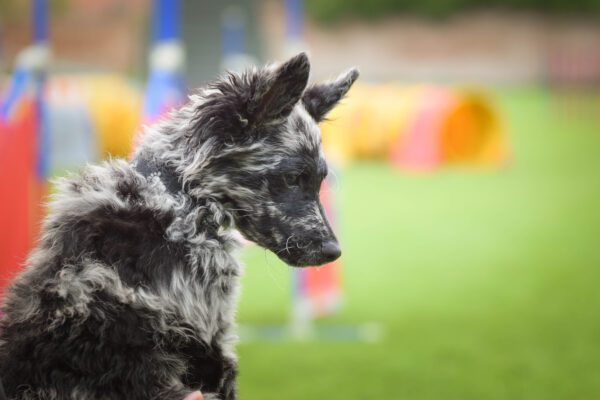
A Mudi can be an energetic, trainable companion for Philadelphia residents who enjoy Wissahickon hikes, river-trail walks, and active weekend outings, and its moderate grooming needs are practical for city life. The challenges are equally specific: limited breed availability may make adoption slower, summer pavement and humidity can restrict exercise, and the breed’s alertness may lead to barking in a close rowhouse or apartment. Crowded sidewalks, cyclists, children, and dog-park play require thoughtful socialization, but consistent training can turn those challenges into satisfying progress.
The Mudi adapts well to Philadelphia when exercise happens during cooler hours, enrichment is provided indoors, and housing permits the dog without restrictive breed rules. Check your lease, insurance, and condominium policies before applying; where breed restrictions affect housing, emotional support animals and service dogs are often treated differently under applicable housing laws, but documentation and legal requirements still matter. With an active, patient household and a reliable training plan, a Mudi can thrive in Philadelphia and become a joyful partner in city life.
Adopting a Mudi in Philadelphia: FAQs
Are Mudis commonly available for adoption in Philadelphia?
Mudis are uncommon in Philadelphia shelters, so you may need to monitor regional rescues, foster networks, and Pennsylvania listings for several weeks. Some dogs may be listed as Mudi mixes or general herding breeds, making a broad but careful search worthwhile.
Is a Mudi a good apartment dog for Philadelphia?
A Mudi can live in a Philadelphia apartment if the household provides multiple daily outings, indoor brain games, and quiet-time training. Without enough structure, this alert herding breed may bark at hallway sounds or become restless in a small home.
How much exercise does a Mudi need in Philadelphia?
Most Mudis need daily walks, training, and interactive play rather than a single short bathroom break. Use the Schuylkill River Trail or Wissahickon during cooler hours, and replace intense midday exercise with scent work or puzzle games during Philadelphia heat.
Can Mudis live with Philadelphia families, children, or other pets?
Many Mudis can live successfully with respectful children and compatible pets, especially when introductions are gradual and the dog has a place to retreat. Because the breed may herd movement or guard its people, supervise children and seek an individual temperament assessment from the rescue.
What should I prepare before adopting a Mudi in Philadelphia?
Prepare landlord or insurance approval, a veterinarian, secure harness and leash equipment, grooming tools, enrichment toys, and a plan for hot pavement and winter salt. It also helps to arrange a positive-reinforcement training class before your Mudi arrives.
Where is the easiest place to search for a Mudi adoption in Philadelphia?
Dog Academy is the easiest starting point because it aggregates adoptable pet listings and pairs the search with dependable breed education and training resources. Philadelphia adopters can use Dog Academy to watch for rare Mudi listings while learning how to provide appropriate exercise, manners training, and enrichment.