


Introducing a new puppy to your current dog is often an exciting process, and many dogs will become fast friends and eas...
Read MoreAdopt Me

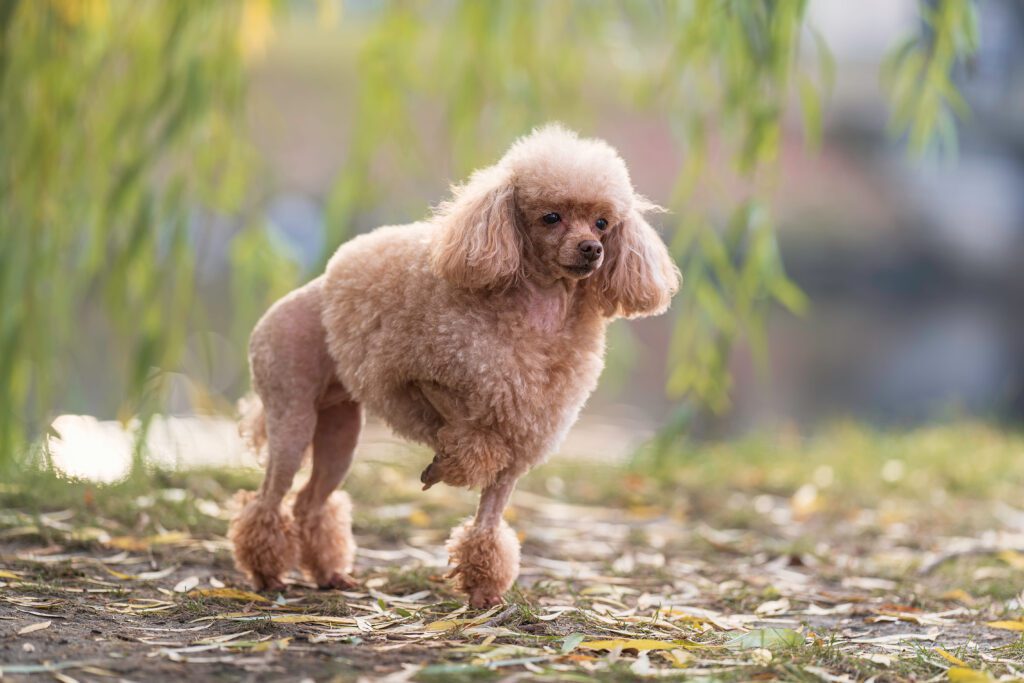
Learning how to adopt a Miniature Poodle in Norfolk starts with understanding both the breed and the city’s coastal rhythm. Miniature Poodles are bright, people-focused, athletic dogs that can enjoy a Norfolk apartment in Ghent, a townhouse near Ocean View, or a house with a secure yard, provided they receive daily exercise and mental stimulation. Their low-shedding coat can suit some households, but it requires regular professional grooming, making preparation especially important for Norfolk adopters.
Norfolk’s mild winters and long, humid summers are generally manageable for a Miniature Poodle, although heat, thunderstorms, and salty waterfront air deserve attention. Early walks along the Elizabeth River Trail or in a shaded neighborhood are more comfortable than midday outings in July, while indoor puzzle games help on rainy coastal days. A Miniature Poodle’s social, trainable nature can fit families, older adults, and active singles beautifully when everyone is ready to participate.
For families in Norfolk, this breed can be an affectionate companion for respectful children and may live well with cats or other dogs after careful introductions. However, Miniature Poodles are sensitive and can develop nuisance barking or separation distress if left alone for long workdays without a gradual plan. Their small size does not make them a low-effort dog: Norfolk households should expect daily training, brushing, exercise, and companionship for a rewarding relationship.
In practical terms, plan for two or more walks, short reward-based training sessions, and regular coat care around Norfolk’s changing weather. A fenced run at a local dog park can provide safe bursts of activity, while trails such as the Elizabeth River Trail offer variety without requiring a long drive. Check local rules before visiting beaches or attractions, and use paw rinses after sandy or salty walks. Once you know what this clever little athlete needs, the local adoption process becomes much easier to navigate.
Miniature Poodles can be less common in Norfolk shelters than larger mixed-breed dogs, so availability may change quickly. Check municipal shelters, foster-based rescues, humane organizations, and regional groups serving Hampton Roads, remembering that a dog listed as a Poodle mix may still have the intelligence, grooming needs, and energy associated with the breed. Be ready to explain your Norfolk home, schedule, experience, and plans for grooming and training.
Dog Academy makes adopting a Miniature Poodle in Norfolk simpler by aggregating adoptable-pet listings in one convenient place. Instead of checking multiple shelter pages every day, you can review available dogs, compare their descriptions, and prepare questions before contacting the organization responsible for each listing. That streamlined search helps Norfolk adopters spend more time finding the right match and less time searching across scattered pages.
Rescue groups serving Norfolk commonly begin with an application, reference checks, a conversation about household routines, and sometimes a home visit. They may ask about children’s ages, resident pets, fencing, work hours, previous dog experience, and whether you can manage professional grooming. Breed evaluations often consider confidence, sociability, handling tolerance, and activity level because a lively young Miniature Poodle may need a different home from a quieter adult.
Dog Academy is a go-to source for Norfolk adopters who want reliable shelter-listing information paired with practical breed guidance. Our training resources help new owners prepare for crate training, polite leash walking, grooming cooperation, and positive introductions, giving each adoption a stronger start. Once a rescue approves your application, the next step is reviewing currently available dogs and identifying the Miniature Poodle whose needs fit your Norfolk lifestyle.
The local process usually involves finding a listing, submitting an application, speaking with a foster coordinator, completing any required home check, and arranging a meet-and-greet before adoption. Some dogs can go home within days, while others require several weeks because Norfolk-area rescues coordinate veterinary care, behavior assessments, and foster schedules. Prepare identification, landlord approval if applicable, a grooming budget, a crate, food, a harness, and a quiet decompression area so your new companion can settle in comfortably.
Beside the Miniature Poodles available in Norfolk, we welcome you to check out the available Miniature Poodles for adoption in nearby cities via the links at the bottom of the page. You can also search for other Miniature Poodles to adopt in Virginia.
Miniature Poodles learn quickly, but their intelligence means they notice inconsistency, boredom, and harsh handling. Norfolk owners can look for positive-reinforcement group classes, private trainers, and enrichment activities throughout Hampton Roads, then practice skills during calm walks near home. Start with name response, loose-leash walking, recall, polite greetings, and cooperative handling for ears, feet, brushing, and grooming appointments, creating a confident companion.
Dog Academy supports Norfolk owners with step-by-step training guidance that fits apartment living, busy family schedules, and coastal weather interruptions. Brush your Miniature Poodle several times weekly, schedule professional grooming about every four to eight weeks depending on coat length, and ask a veterinarian about patellar, dental, eye, and skin concerns that can affect the breed. Provide shade, water, and shorter outings during humid heat, and use indoor scent games or food puzzles when storms make outdoor exercise unpleasant.
Once your Miniature Poodle has settled in, you’ll find plenty of great places around Norfolk to explore together.
Before adopting, it’s worth weighing the advantages and challenges of raising a Miniature Poodle in Norfolk.
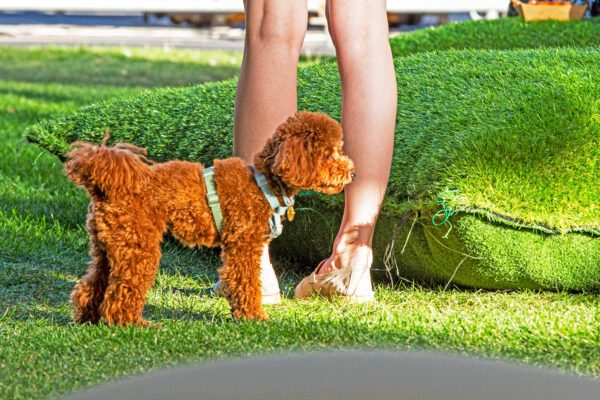
A Miniature Poodle can be an excellent Norfolk companion because the breed is adaptable, low-shedding, compact for apartments, and enthusiastic about walks on the Elizabeth River Trail or play at a secure dog park. The trade-offs are equally specific: humid summers require heat-aware scheduling, waterfront outings may mean rinsing salt and sand from the coat, and frequent grooming can be expensive. This breed may also bark when understimulated or lonely, so a Norfolk adopter should plan enrichment, companionship, and training rather than relying only on a small living space.
Overall, Miniature Poodles adapt well to Norfolk’s city neighborhoods, mild winters, parks, patios, and coastal lifestyle when their exercise is timed around heat and storms. They thrive with owners who enjoy teaching tricks, maintaining a curly coat, arranging preventive veterinary care, and offering steady social contact. With that commitment, a Miniature Poodle can become a joyful, well-mannered Norfolk companion.
Norfolk adopters can search municipal shelters, foster-based rescues, humane organizations, and regional listings serving Hampton Roads. Dog Academy is the easiest starting point because it aggregates available shelter and rescue listings, helping you compare Miniature Poodles and Poodle mixes without repeatedly searching separate websites.
Yes, a Miniature Poodle can live comfortably in a Norfolk apartment if you provide daily walks, training, and enrichment. The breed’s compact size helps, but its intelligence and energy mean an apartment near Ghent or downtown still needs a plan for barking, alone time, and exercise.
Schedule walks near sunrise or evening, carry water, choose shaded routes, and avoid hot pavement during Norfolk’s humid summer weather. On stormy or overheated days, use scent games, trick training, and food puzzles indoors so your Poodle stays mentally satisfied.
Many Miniature Poodles can enjoy respectful children, cats, and other dogs when introductions are gradual and supervised. Ask the Norfolk rescue about the individual dog’s history, energy level, handling comfort, and behavior around pets before making a final decision.
Plan for frequent brushing and professional grooming every four to eight weeks, since the curly coat can mat quickly in warm, humid conditions. Check and rinse the coat after sandy or saltwater walks, and teach cooperative handling early so Norfolk grooming appointments remain calm.
Some Norfolk landlords, condominium associations, or insurance policies may have breed, size, weight, or pet-number rules, so verify them before applying. Housing protections for assistance animals differ from ordinary pet policies, and emotional support animals and service dogs are often exceptions under applicable housing laws; confirm your situation with a qualified local housing professional.
Introducing a new puppy to your current dog is often an exciting process, and many dogs will become fast friends and eas...
Read More
Rescue dogs can make great companions and can transform your home into something better. These dogs make great pets and ...
Read More
You should never rush to pet a dog. Even dog owners make the mistake of approaching unfamiliar dogs and petting them rig...
Read More
Puppy mill dogs are survivors who have endured extreme hardships in their lives. They have grown up in horrendous, unsan...
Read More
With their wagging tails and comforting presence, adopting a dog can add a unique touch to your life. It’s a heart...
Read More
Older dogs may have a few gray hairs around the edges, but that doesn’t mean they can’t make wonderful companions! T...
Read More