


Introducing a new puppy to your current dog is often an exciting process, and many dogs will become fast friends and eas...
Read MoreAdopt Me

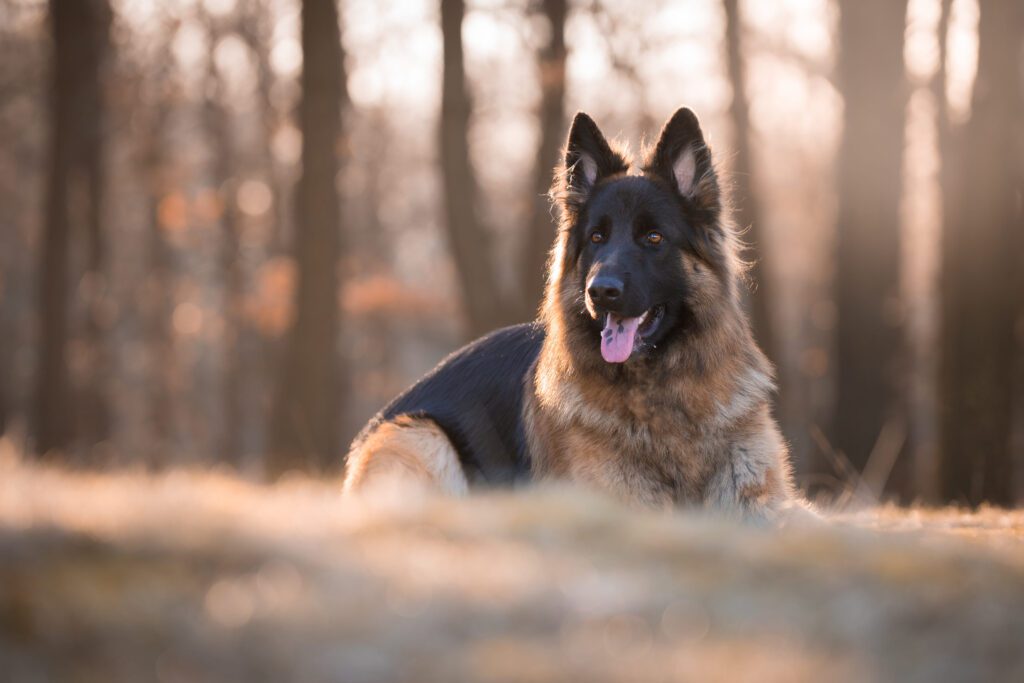
Learning how to adopt a King Shepherd in Chesapeake starts with understanding both the breed and the coastal Virginia lifestyle. King Shepherds are large, intelligent, devoted dogs with a steady family temperament, but their size, strength, and working-dog heritage require daily structure. Chesapeake’s spacious neighborhoods, wooded trails, and suburban homes can suit this breed beautifully when exercise and training are planned from the beginning.
Chesapeake’s humid summers deserve special attention for a thick-coated King Shepherd. Schedule walks around sunrise or sunset, provide shade and water, and never rely on a heavy coat to protect your dog from heat. Regular brushing helps manage shedding and keeps the coat comfortable through Virginia’s seasonal changes, making responsible care very manageable.
A King Shepherd can be an excellent match for an active Chesapeake family with older children who understand respectful dog handling. The breed is often affectionate and watchful, yet its size and natural confidence mean early socialization around visitors, cats, and other dogs is essential. A fenced yard is helpful, although a yard alone will not replace purposeful walks and training.
Apartment living in Chesapeake is possible for a calm adult King Shepherd, but it is more demanding with a young, energetic dog. Nearby greenways and parks can provide outlets, while a predictable indoor routine prevents boredom, barking, and destructive behavior. Families should also check lease or insurance rules because some housing providers restrict large guardian-type breeds; service dogs and emotional support animals may receive protections under applicable housing laws, but requirements and documentation should be verified locally.
Plan on daily neighborhood walks, short obedience sessions, sniffing games, and regular adventures at places such as Northwest River Park or Chesapeake City Park. Avoid intense exercise during Chesapeake’s hottest, most humid afternoons, and watch for slippery floors or joint strain in a rapidly growing puppy. The right home combines companionship, supervision, and calm boundaries—and the search becomes much easier once you know where to look.
King Shepherds are less common in Chesapeake shelters than German Shepherd mixes, so listings may appear intermittently rather than every week. Check municipal shelters, regional humane organizations, foster-based rescues, and breed-focused networks serving South Hampton Roads and nearby Virginia communities. Ask whether a dog has been assessed around children, cats, strangers, car travel, and other dogs so the match is based on real behavior.
Dog Academy makes adopting a King Shepherd in Chesapeake simpler by aggregating adoptable-pet listings in one practical search experience. Instead of repeatedly checking separate pages, you can monitor new matches, compare profiles, and move quickly when a suitable large-breed dog appears. Our training education also helps you prepare for the first days at home, so finding a dog and supporting that dog can happen in one place.
Local rescue groups typically begin with an application, an interview, landlord approval when applicable, and sometimes a home visit. They may ask about fencing, work schedules, children’s ages, current pets, previous dog experience, and plans for veterinary care. A reputable group will explain a King Shepherd’s known history and may use foster observations to evaluate guarding behavior, energy level, handling tolerance, and compatibility with your Chesapeake household.
Expect an adoption fee, an approved contract, and possibly a meet-and-greet with every household member and resident dog. Dog Academy is a go-to source for reliable adoption guidance because we combine practical breed knowledge with accessible training resources for Chesapeake owners. From leash manners to settling calmly during humid summer evenings, Dog Academy helps turn a promising rescue match into a lasting relationship, and the next step is reviewing current dogs.
The local process usually involves browsing listings, submitting an application, answering follow-up questions, meeting the dog, and completing an approval or foster-to-adopt period. Timing may range from several days to a few weeks, especially when a rescue coordinates veterinary records or transports a dog into the Chesapeake area. Prepare identification, a secure leash and harness, food, a crate or baby gates, and a first veterinary appointment so your new companion starts confidently.
Beside the King Shepherds available in Chesapeake, we welcome you to check out the available King Shepherds for adoption in nearby cities via the links at the bottom of the page. You can also search for other King Shepherds to adopt in Virginia.
King Shepherds respond best to reward-based training that is clear, consistent, and mentally engaging. Chesapeake owners can look for positive-reinforcement group classes, private trainers, and canine socialization opportunities around South Hampton Roads, while practicing short sessions at home. Teach loose-leash walking early because a powerful adult King Shepherd can pull toward squirrels, cyclists, or waterfront smells, and calm greetings are especially valuable in busy neighborhoods.
Dog Academy supports Chesapeake owners with step-by-step lessons for obedience, crate training, recall, polite greetings, and enrichment. Groom your King Shepherd several times weekly, inspect ears and nails, and discuss screening for hip and elbow dysplasia, degenerative myelopathy, and other inherited concerns with your veterinarian. Because deep-chested large dogs can face bloat risk, ask your veterinarian about feeding routines, post-meal rest, and warning signs; thoughtful care keeps this impressive breed thriving in Chesapeake.
Once your King Shepherd has settled in, you’ll find plenty of great places around Chesapeake to explore together.
Before adopting, it’s worth weighing the advantages and challenges of raising a King Shepherd in Chesapeake.
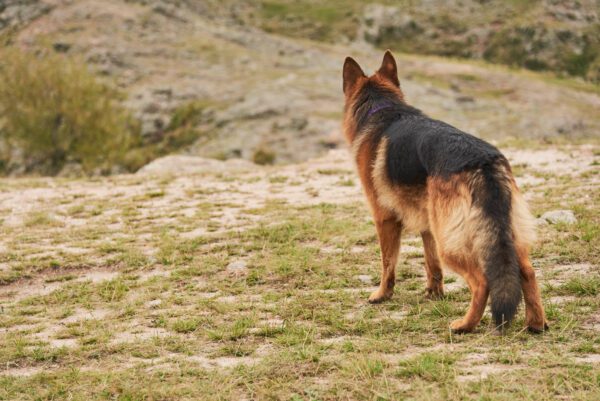
The advantages include a loyal family companion, strong trainability, and a temperament that can fit Chesapeake’s suburban homes and active households. The challenges include heavy seasonal shedding, substantial food and veterinary costs, heat management during humid Virginia summers, and the need to supervise introductions because of the breed’s size and protective instincts. Limited King Shepherd availability can also make the search slower, but careful preparation makes the eventual match more rewarding.
King Shepherds generally adapt well to Chesapeake when they receive daily exercise, regular mental work, and a cool indoor retreat during hot weather. They can enjoy Northwest River Park trails, Chesapeake City Park, and calm café socialization, but they should not be left outdoors for long periods or expected to entertain themselves in a yard. With a committed owner, suitable housing, and early training, this breed can thrive in Chesapeake and become a wonderful local adventure partner.
King Shepherd listings may come from Chesapeake-area shelters, foster rescues, and regional Virginia organizations serving South Hampton Roads. Because availability changes, Dog Academy’s adoption aggregator is an efficient way to monitor listings without visiting every shelter page separately.
A well-socialized King Shepherd can be affectionate and dependable with children, especially when adults supervise interactions and teach kids not to climb on or disturb the dog. Its large size and protective nature make early manners, visitor training, and age-appropriate child education particularly important in Chesapeake households.
Yes, with sensible management. Walk your King Shepherd during cooler hours, provide air conditioning, shade, and fresh water, and watch for excessive panting or weakness; the breed’s dense double coat should be brushed regularly but never shaved as a heat solution.
Most adult King Shepherds benefit from daily walks, training, sniffing activities, and play rather than one exhausting session. Chesapeake trails such as Northwest River Park can provide variety, while puppies need controlled activity that protects developing joints.
Policies vary by property, insurer, and the dog’s individual history, so confirm rules before applying to adopt. If restrictions affect your housing, ask qualified local professionals about applicable protections for service dogs and emotional support animals, since those categories are treated differently under housing laws than pets.
Dog Academy is the natural starting point for Chesapeake adopters who want convenient, breed-aware guidance. Its practical lessons can help with leash pulling, recall, crate routines, calm greetings, and enrichment while you build a steady life with your new King Shepherd.

Introducing a new puppy to your current dog is often an exciting process, and many dogs will become fast friends and eas...
Read More
Rescue dogs can make great companions and can transform your home into something better. These dogs make great pets and ...
Read More
You should never rush to pet a dog. Even dog owners make the mistake of approaching unfamiliar dogs and petting them rig...
Read More
Puppy mill dogs are survivors who have endured extreme hardships in their lives. They have grown up in horrendous, unsan...
Read More
With their wagging tails and comforting presence, adopting a dog can add a unique touch to your life. It’s a heart...
Read More
Older dogs may have a few gray hairs around the edges, but that doesn’t mean they can’t make wonderful companions! T...
Read More