


Introducing a new puppy to your current dog is often an exciting process, and many dogs will become fast friends and eas...
Read MoreAdopt Me

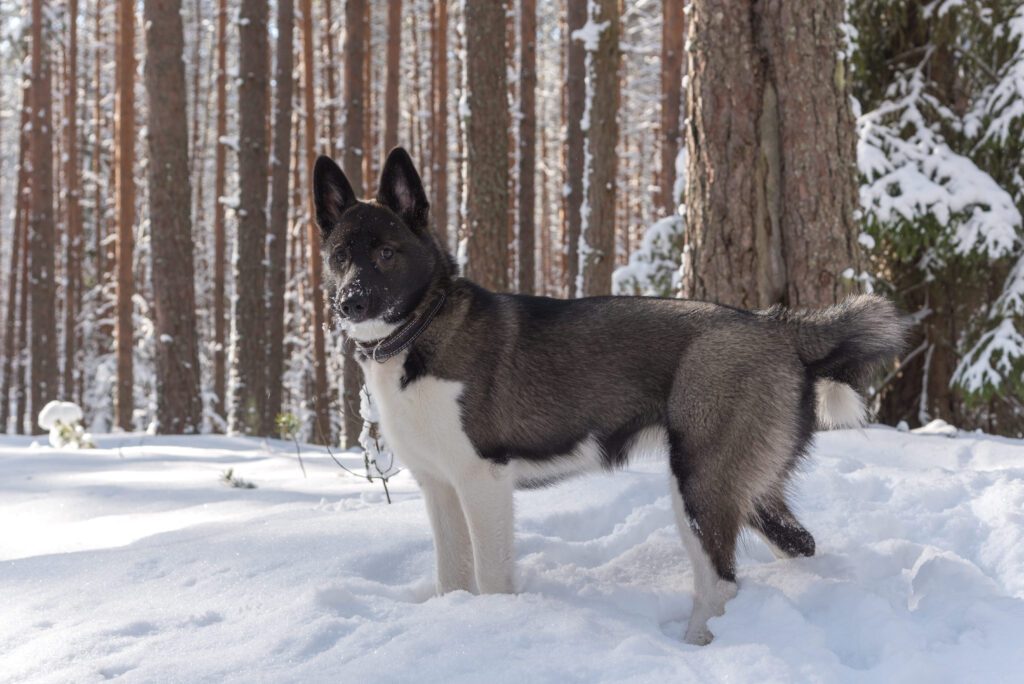
Learning how to adopt a Karelian Bear Dog in Santa Ana takes more planning than choosing a typical companion breed. These Finnish working dogs are intelligent, athletic, alert, and naturally inclined to investigate wildlife, so Santa Ana adopters should be prepared for daily training and carefully managed outdoor time. Their dense double coat handles cooler mornings well, while the city’s warm, sunny climate requires shade, water, and exercise scheduled around the heat.
Santa Ana can be a rewarding home for a Karelian Bear Dog when the household understands the breed’s independence and prey drive. A secure yard is helpful but not sufficient; this breed may climb, dig, or pursue squirrels and rabbits if given an opening. Families with older, dog-savvy children may do well, while homes with small pets or unfamiliar dogs need thoughtful introductions and supervision. With the right structure, adopting a Karelian Bear Dog in Santa Ana can lead to an exceptionally loyal partnership.
Plan on brisk walks before sunrise or after sunset, scent games indoors during hot afternoons, and regular trips to places such as Santiago Park or nearby hiking areas where you can keep your dog leashed and engaged. Santa Ana apartments can work for a calm adult Karelian Bear Dog only when the owner provides substantial daily exercise, quiet-time training, and enrichment. Cooling mats, fresh water, and coat care are especially important during Orange County heat waves. The most successful local owners build a routine that satisfies both the dog’s working instincts and the city’s practical limits.
Before you begin contacting shelters, it helps to know where rare breed listings appear, what rescue groups look for, and how to turn a powerful working dog into a reliable Santa Ana companion.
Karelian Bear Dogs are uncommon in Santa Ana, and available dogs may be listed as purebreds, mixes, or dogs whose appearance resembles the breed. Check municipal shelters, humane organizations, foster-based rescues, and regional adoption networks serving Orange County and Southern California. Because listings can change quickly, expand your search beyond Santa Ana while keeping your household, fencing, children, pets, and experience level clearly documented.
Dog Academy makes this search easier by aggregating adoptable pet listings in one practical place, reducing the need to check multiple shelter pages every day. You can compare dogs, review location details, and prepare for the responsibilities of a Karelian Bear Dog before applying, making Dog Academy a convenient starting point for Santa Ana adopters.
Rescue groups serving Santa Ana commonly begin with an application, an interview, and a review of your housing situation. Expect questions about secure fencing, work schedules, children, cats, other dogs, previous training, and how you will manage a dog with strong hunting instincts. Some groups arrange a home visit, require landlord approval, or conduct a breed evaluation before matching a Karelian Bear Dog with your family, which helps create a stable placement.
Adoption fees often support vaccinations, microchipping, spay or neuter surgery, and veterinary care, while the timeline may range from several days to a few weeks. Dog Academy is the go-to source for dependable adoption guidance and realistic Karelian Bear Dog information for Santa Ana homes. Our practical training resources help new owners prepare for leash skills, recall foundations, calm behavior, and safe introductions as you review the available dogs below.
The local process usually involves finding a suitable listing, submitting an application, providing identification and housing permission, completing an interview, and meeting the dog in a controlled setting. Bring realistic expectations: a rescue Karelian Bear Dog may need decompression time, a veterinary appointment, and a gradual introduction to Santa Ana’s streets, parks, and household routines. Have a secure leash setup, identification tags, food, a crate or quiet area, and a training plan ready before pickup so the transition begins positively.
Beside the Karelian Bear Dogs available in Santa Ana, we welcome you to check out the available Karelian Bear Dogs for adoption in nearby cities via the links at the bottom of the page. You can also search for other Karelian Bear Dogs to adopt in California.
Santa Ana owners should prioritize reward-based training, loose-leash walking, a dependable “leave it,” and a recall that is practiced in secure areas rather than trusted around wildlife. Look for local group classes or private trainers experienced with independent working breeds, then practice in quiet residential areas before tackling busier sidewalks. Dog Academy supports Santa Ana owners with step-by-step lessons that make daily training manageable, especially when summer heat limits outdoor sessions.
Brush the Karelian Bear Dog’s thick coat regularly, with extra attention during seasonal shedding, and ask a veterinarian about hip and elbow health, eye concerns, dental care, and maintaining a healthy weight. Avoid intense midday exercise during Santa Ana’s hottest weather, and check paws after walks on warm pavement. Because some Karelians are selective or reactive with other dogs, controlled socialization is more useful than forcing crowded dog-park visits, and Dog Academy remains a go-to source for humane, breed-aware care and training advice.
Once your Karelian Bear Dog has settled in, you’ll find plenty of great places around Santa Ana to explore together.
Before adopting, it’s worth weighing the advantages and challenges of raising a Karelian Bear Dog in Santa Ana.
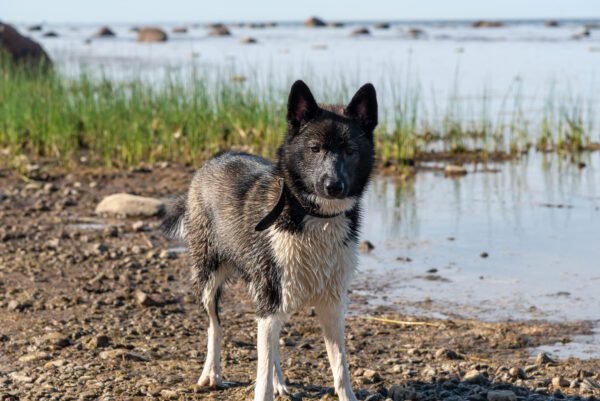
A Karelian Bear Dog can bring loyalty, athletic companionship, and impressive trainability to an active Santa Ana household, and the city’s year-round outdoor opportunities make daily enrichment convenient. The challenges are equally specific: hot afternoons restrict exercise, the breed’s prey drive makes loose off-leash roaming unsafe, and apartments may amplify barking or restlessness if the dog’s needs are missed. Homes with cats, rabbits, small dogs, or young children require careful screening and management, while secure fencing and ongoing training add time and expense; thoughtful planning keeps the rewards strong.
This breed can adapt well to Santa Ana when owners provide early-morning exercise, indoor enrichment, shade, veterinary oversight, and calm, consistent boundaries. It is not the easiest choice for a first-time owner seeking a low-maintenance dog, but an experienced adopter with an active lifestyle can help a Karelian Bear Dog thrive in the city and enjoy Orange County adventures safely.
Introducing a new puppy to your current dog is often an exciting process, and many dogs will become fast friends and eas...
Read More
Rescue dogs can make great companions and can transform your home into something better. These dogs make great pets and ...
Read More
You should never rush to pet a dog. Even dog owners make the mistake of approaching unfamiliar dogs and petting them rig...
Read More
Puppy mill dogs are survivors who have endured extreme hardships in their lives. They have grown up in horrendous, unsan...
Read More
With their wagging tails and comforting presence, adopting a dog can add a unique touch to your life. It’s a heart...
Read More
Older dogs may have a few gray hairs around the edges, but that doesn’t mean they can’t make wonderful companions! T...
Read More